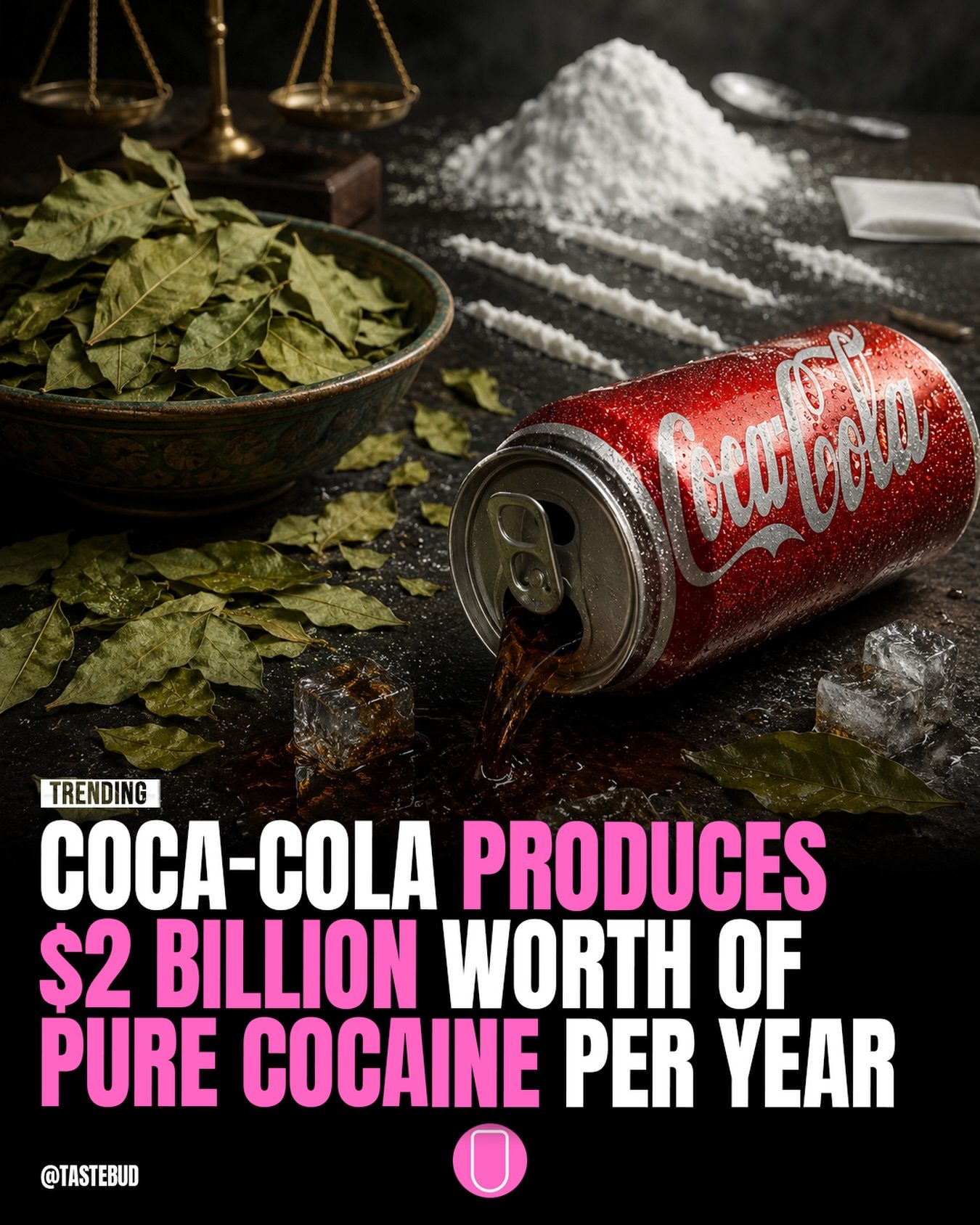
Coca-Cola and Coca Leaves: A Fascinating Connection
Coca-Cola, an iconic canned beverage, has a long and intriguing history. One of the more unusual aspects of this history is the company's connection to coca leaves, the plant from which cocaine is derived. There's only one facility in the United States legally permitted to import coca leaves, and it plays a significant role in Coca-Cola’s flavoring process.
Context: Why This Matters
The process involving coca leaves is not just a historical footnote; it is an ongoing, regulated system that has been in place for decades. Understanding this process sheds light on the meticulous regulations and medical applications surrounding coca leaves, as well as the unique journey of Coca-Cola’s distinctive flavor.
The Unique Process
Import and Processing
The sole facility in the United States allowed to import coca leaves is Stepan Company, located in Illinois. This company is authorized by the Drug Enforcement Administration (DEA) to import and process coca leaves. The process begins with the importation of the leaves, which are then carefully handled to remove the cocaine component. This step is crucial for both legal and safety reasons.
Medical Use
The cocaine extracted from the coca leaves is not discarded but is instead sent to pharmaceutical companies. These companies use it to produce various medical products, including pain medications and other treatments. This medical application ensures that the coca leaves, which have a long history of both beneficial and harmful uses, are utilized responsibly.
Decocainized Extract
After the cocaine is removed, the remaining extract is used to create a decocainized flavoring. This flavoring is what gives Coca-Cola its distinctive taste. The process is not only about removing the cocaine but also about preserving the unique flavor profile that has made Coca-Cola a global phenomenon.
The History and Regulation
Historical Context
The use of coca leaves in Coca-Cola dates back to the late 19th century when the beverage was first created. The original formula included small amounts of cocaine, which was legal at the time. However, as the dangers of cocaine became more apparent, the company began to remove the cocaine component from its product.
Regulatory Framework
Today, the process is heavily regulated by the DEA and other regulatory bodies. The Stepan Company must adhere to strict guidelines to ensure that the coca leaves are processed safely and that the cocaine extracted is used solely for medical purposes. This regulatory framework ensures that the process remains legal and ethical.
Practical Tips for Understanding the Process
Clarifying Misconceptions
One of the most common misconceptions is that Coca-Cola produces cocaine. This is a sensational claim that is not accurate. While it is true that the company once contained trace amounts of cocaine, the modern production process strictly separates the cocaine from the flavoring extract.
Appreciating the Process
Understanding the process behind Coca-Cola’s flavoring can enhance appreciation for the beverage. It highlights the intricate balance between tradition, regulation, and innovation that goes into creating a product enjoyed by millions worldwide.
Important Takeaways
- Regulated Process: The process involving coca leaves is highly regulated and monitored by the DEA and other authorities.
- Medical Application: The cocaine extracted from the leaves is used for medical purposes, highlighting the dual nature of coca leaves.
- Flavoring: The decocainized extract is what gives Coca-Cola its unique taste, preserving the beverage’s traditional flavor.
Conclusion
The connection between Coca-Cola and coca leaves is a fascinating and complex part of the beverage's history. From the careful importation and processing of the leaves to the medical and flavoring applications, this process is a testament to the intricate balance between regulation, tradition, and innovation. By understanding this process, one can appreciate not only the beverage but also the regulatory framework that ensures its safe and ethical production.
Watch the Reel
Questions readers ask
Is it true that Coca-Cola contains coca leaves?
Yes, Coca-Cola does use a decocainized coca leaf extract. These leaves are processed to remove the cocaine, and the resulting extract contributes to the beverage’s distinct flavor.
How are coca leaves processed for Coca-Cola?
The coca leaves are processed at a single U.S. facility. The cocaine is extracted for medical purposes, and the remaining material is turned into a decocainized extract used to flavor Coca-Cola.
Where can coca leaves be legally imported in the United States?
There is only one facility in the United States allowed to import and process coca leaves. This facility is responsible for the supply of coca leaf extract used by Coca-Cola.
What happens to the cocaine removed from coca leaves?
The cocaine extracted from the coca leaves is used for medical purposes, specifically in certain medications and medical research. This process ensures that the Coca-Cola flavoring is free from cocaine.
Why does Coca-Cola use coca leaves if they contain cocaine?
Coca-Cola uses coca leaves because they provide a unique and desirable flavor component, and the processing removes the cocaine for medical use.
How is the use of coca leaves in Coca-Cola regulated?
The use of coca leaves in Coca-Cola is heavily regulated. The import, processing, and use of coca leaves are closely monitored to ensure that the final product is safe and free from cocaine.
What is the significance of the decocainized extract in Coca-Cola’s taste?
The decocainized coca leaf extract is integral to Coca-Cola’s unique and signature taste. It contributes to the beverage’s distinctive flavor profile, which has been a hallmark of the brand since its inception.
Related deep dives
Similar reads based on topic and creator.




Recent articles
Fresh deep dives from the latest Reels we unpacked.




Comments
Be the first to comment.