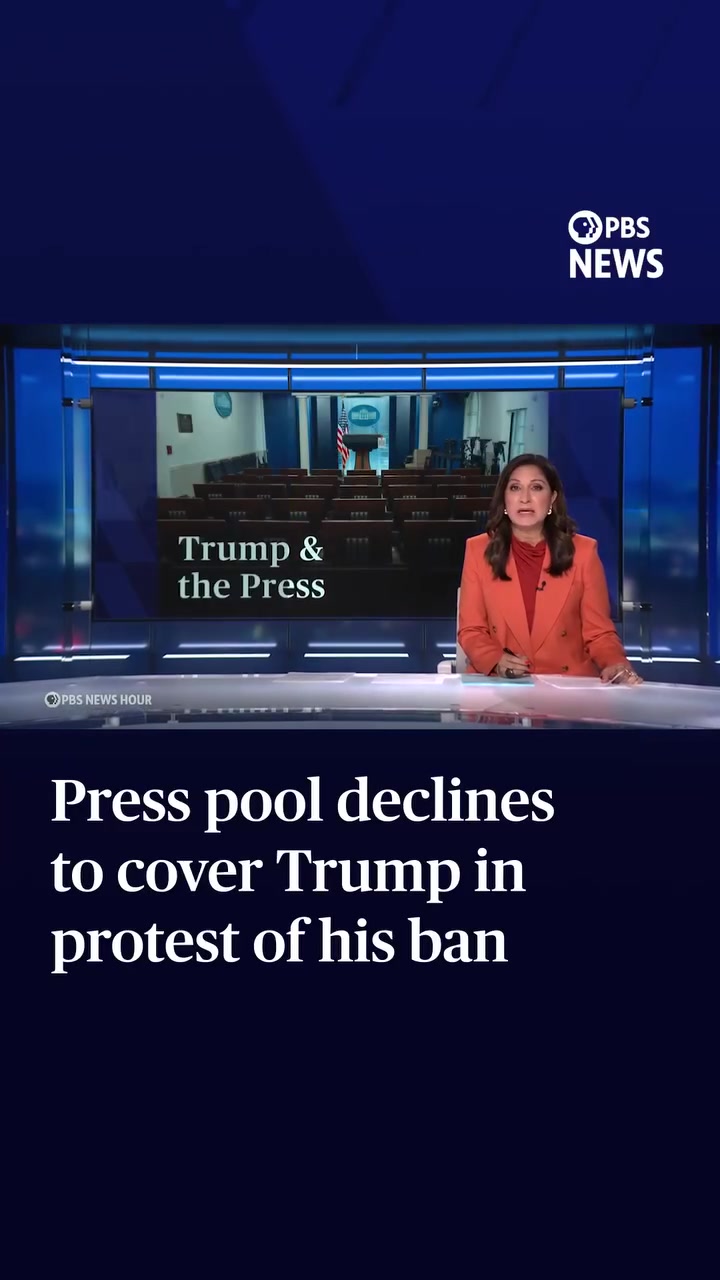
CNN, MSNOW, and Politico have taken dramatic action. In response to the Trump administration's recent revocation of their press credentials, the three prominent news organizations have filed a lawsuit for what they allege is a "direct assault on the First Amendment."
The Press Pool in Action
The White House press pool is a cooperative arrangement among news outlets to share the burden and cost of covering the president. Usually, a rotating group of TV networks provides live coverage, with the rest of the press relying on this pool for updates. This arrangement helps manage the crowd and ensures that even small outlets can cover the president's activities. The pool operates under two main functions: reducing the number of journalists in any given space at once and sharing the costs of coverage. Each network rotates in and out of the pool, sharing the expense of traveling with the President, including airfare on Air Force One. The White House press pool's coverage is crucial for smaller outlets that cannot afford to have their own reporters on the ground during a president’s trip. On this occasion, the press pool refused to cover President Trump. Their solidarity and refusal to cover the President after the removal of CNN, MSNOW, and Politico highlighted the deepening rift between the Trump administration and the press.
Undermining the Fourth Estate
This development is part of a broader pattern of tension between the Trump administration and the media, with the president often labeling critical outlets as "fake news." The press ban and subsequent lawsuit underscore the administration's approach to media relations. Following the ban, the five-TV pool network decided not to cover the President, opting for solidarity. The impact of this decision was immediate. For the first time in modern press coverage, there was no TV camera traveling with the president, and the White House had to rely on its own camera for an event, which lacked proper audio equipment. The absence of professional media coverage led to significant gaps in the reporting of the President's activities. Moreover, the ban has broader implications for press freedom. The lawsuit filed by the news organizations seeks a temporary restraining order to restore access to the White House grounds. The lawsuit alleges that the White House revoked journalists' credentials without notice or process, objecting to their reporting. The news organizations argue that this action is a direct assault on the First Amendment.
Consequence of the solidarity
CNN, MSNOW, and Politico were stripped of their press passes and barred from the White House, effectively removing them from the pool. This absence had immediate consequences for the coverage of the president's activities. In New York, the president took questions from reporters at Gracie Mansion with Mayor Bill de Blasio. The President repeated that he feels obligated to not let what he calls "fake news" into the White House. The White House press pool's functions include reducing the number of journalists in any given space at once and sharing the costs of coverage, which is an expensive undertaking. Outlets that are part of this pool share the burden of covering the president, both in terms of logistical challenges and financial investment. This cooperative approach ensures that even smaller news organizations can maintain a presence at the White House, relying on the shared resources of the pool.
Counter Programming
The White House appears to be countering the narrative by promoting Trump TV, which will air on the official White House website at 7 p.m. This move highlights a more aggressive approach to media control and counters the narrative from the press pool solidarity.
Press Pool Considerations
The criticism and the lawsuit have made it clear that White House credentials are essential for working journalists, even with PBS News Hour and other news media colleagues objecting. PBS News is not publishing video or still images provided by the administration. However, for any journalist or news organization looking to cover the White House under similar circumstances, consider the following:
- Seek Legal Counsel: The gravity of being barred from press activities means that legal counsel must be consulted. Legal recourse to reclaiming the credentials.
- Pool Participation: Seek to join or retain membership in the press pool, as it is crucial for smaller outlets that cannot afford to have their own reporters on the ground during a president’s trip.
- Transparency: Establish guidelines for press access and credentialing processes to enforce transparency and accountability.
Watch the Reel
Questions readers ask
What exactly is the White House press pool and why is it important?
The White House press pool is a group of journalists from various news outlets who share the responsibility of covering the president. It's important because it allows for broad coverage of the president's activities, manages the number of journalists in any given space, and shares the costs of coverage, making it possible for smaller outlets to have access to the president. The pool helps ensure that the public has access to a variety of news sources and perspectives. This is why the exclusion of CNN, MSNBC, and Politico from the press pool was so impactful.
Why did CNN, MSNBC, and Politico file a lawsuit against the White House?
CNN, MSNBC, and Politico filed a lawsuit because they were removed from the White House press pool and felt they were unfairly targeted for their reporting. The lawsuit is part of a broader issue with the Trump administration's approach to the media and seeks to restore access to the White House grounds, as well as to protect press freedom. The lawsuit alleges that the White House revoked the journalists' credentials without notice or process, objecting to their reporting. This action is a direct assault on the First Amendment.
How did other news outlets respond to the press ban?
In a show of solidarity, the other networks in the TV pool, including ABC, CBS, NBC, and Fox News, decided not to cover the president after CNN, MSNBC, and Politico were removed. This unprecedented move highlighted the deepening rift between the Trump administration and the media. The absence of professional media coverage led to significant gaps in the reporting of the President's activities, and the White House had to rely on its own camera for an event, which lacked proper audio equipment.
What are the implications of this press ban for press freedom?
The press ban has significant implications for press freedom. It sets a precedent for how the government can restrict access to information and target specific outlets for their reporting. The lawsuit filed by CNN, MSNBC, and Politico seeks to protect press freedom and ensure that journalists can report on the president without fear of retaliation. The ban also underscores the broader pattern of tension between the Trump administration and the media, with the president often labeling critical outlets as 'fake news.'
Can the White House legally ban news outlets from covering the president?
The legality of the White House banning news outlets from covering the president is a complex issue. While the president has some discretion in who to admit to the White House, the lawsuit filed by CNN, MSNBC, and Politico argues that the ban is a direct assault on the First Amendment. The lawsuit seeks a temporary restraining order to restore access to the White House grounds and protect press freedom. The outcome of this lawsuit could set an important precedent for future interactions between the government and the media.
What is the significance of the White House press pool's refusal to cover the president?
The White House press pool's refusal to cover the president was a significant act of solidarity with CNN, MSNBC, and Politico. This move highlighted the deepening rift between the Trump administration and the media and had immediate consequences for the coverage of the president's activities. For the first time in modern press coverage, there was no TV camera traveling with the president, and the White House had to rely on its own camera for an event, which lacked proper audio equipment.
What did the White House use to cover the President's activities after the press ban?
After the press ban, the White House had to rely on its own camera for an event, which lacked proper audio equipment. This resulted in significant gaps in the reporting of the President's activities. The absence of professional media coverage was a stark reminder of the importance of the press pool in ensuring broad and accurate coverage of the president's activities.
Recent articles
Fresh deep dives from the latest Reels we unpacked.
Comments
Be the first to comment.