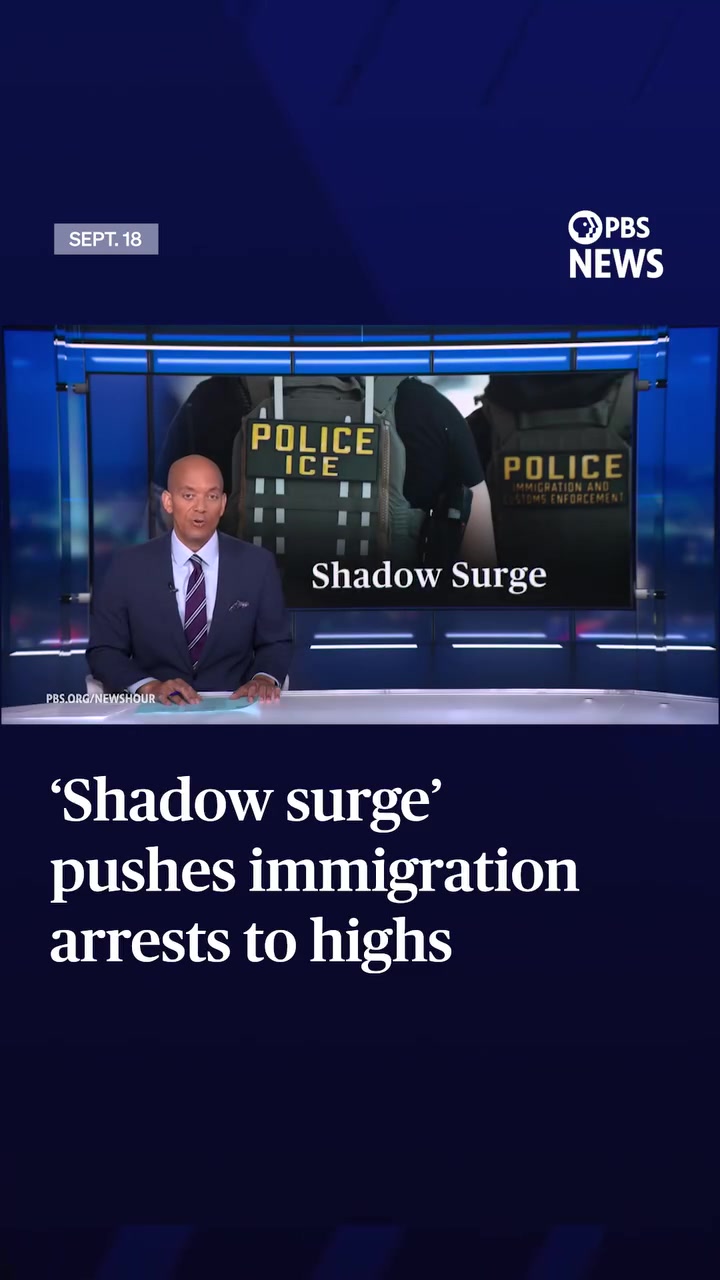
Embracing the 'Shadow Surge'
ICE, or U.S. Immigration and Customs Enforcement, had a strong visible enforcement slate in Democratic-led cities. That era seems to be over. The Trump administration has transitioned its strategy in recent months, turning away from aggressive, high-profile immigration raids in favor of a more discreet approach. The result is what some immigration advocates and policy analysts from UC Berkeley and the University of California, Los Angeles have termed the "Shadow Surge." This quieter form of enforcement has contributed to a notable rise in ICE arrests, often without attracting the same level of public attention.
How the 'Shadow Surge' Quietly Reshapes Immigration Enforcement
The Trump administration's shift towards quieter, more localized immigration enforcement aligns with a broader cultural trend of decentralizing federal authority. This strategic move allows for sustained immigration enforcement while minimizing the public outcry that accompanies high-profile operations. The administration’s use of state and local police to conduct immigration stops marks a distinct change in how immigration enforcement is carried out. This approach has led to a notable rise in ICE arrests, often with far less public attention.
The Geographical Driving Forces
Immigration enforcement has seen a significant uptick in 15 states, with Texas and Florida leading the way. These states have long been at the forefront of the Trump administration's mass deportation efforts. But the trend is not confined to these usual suspects. States like Ohio and Missouri have also seen dramatic increases in immigration arrests, driven by new agreements between state and local law enforcement and federal immigration authorities.
In Texas, Florida, and Beyond
The collaboration between federal immigration authorities and state and local police has taken various forms. In Florida, for example, the Florida State Highway Patrol conducts immigration stops, handing over thousands of immigrants to ICE, often for minor traffic violations. This strategy has allowed the administration to achieve its enforcement goals with less public scrutiny.
Missing the data: The Impact on Local Communities
The administration's "shadow surge" approach has significant implications for local communities. The increase in state and local involvement in immigration enforcement means that these communities are bearing the brunt of these operations. It is unclear whether or not the administration will continue this practice after the elections.
The Complexity of Criminal Records
A federal appeals court recently rejected the Trump administration's third country deportation policy, which has been a key component of its mass deportation efforts. The administration has maintained that those targeted by these operations have criminal records — but the reality is far more nuanced. For instance, in July, more than 65,000 people were detained, and 70 percent of them had no criminal convictions. This disparity highlights the challenges and controversies surrounding the administration's deportation policies, especially in the context of the "shadow surge."
The implications of the 'Shadow Surge' on Immigration Policies
For those concerned about immigration policy and enforcement, the "shadow surge" represents a significant shift. It underscores the administration's commitment to mass deportation while also highlighting the challenges and controversies that come with this approach. Any individual or organization looking to navigate this new landscape would do well to stay informed about the nuances of these policies and the real-world impact they have on communities across the country. This could involve regular research and discussions on the matter.
The 'Shadow Surge': A Call to Stay Informed
The "shadow surge" in immigration enforcement has significant implications for how these policies are implemented and how communities are impacted. As the landscape of immigration enforcement continues to evolve, it is crucial for individuals and organizations to stay informed and engaged.
Watch the Reel
Questions readers ask
What exactly is the 'Shadow Surge' in immigration enforcement?
The 'Shadow Surge' refers to the Trump administration's shift from high-profile, aggressive ICE raids to a more discreet and localized approach to immigration enforcement. This involves greater collaboration with state and local police, allowing for sustained enforcement with less public attention. It has resulted in a notable increase in ICE arrests, particularly in states like Texas, Florida, and Missouri.
How does the 'Shadow Surge' differ from previous immigration enforcement strategies?
Unlike previous strategies that focused on large-scale, highly visible ICE raids, especially in Democratic-led cities, the 'Shadow Surge' is characterized by quieter, more localized operations. This shift allows for continued enforcement while minimizing public backlash, often by involving state and local law enforcement in immigration stops.
Why are states like Texas and Florida seeing a significant rise in ICE arrests?
Texas and Florida are seeing a rise in ICE arrests due to their long-standing role in the Trump administration's deportation efforts and new agreements between state and local police and federal immigration authorities. This collaboration allows for more targeted and less publicized enforcement operations, especially in these states where immigration issues have been a major focus.
How does the involvement of state and local police in immigration enforcement work?
The involvement of state and local police in immigration enforcement varies by state. For example, in Florida, the Florida State Highway Patrol conducts immigration stops, often for minor traffic violations, and hands over immigrants to ICE. This decentralized approach helps achieve enforcement goals with less public scrutiny and outcry.
What are the implications of the 'Shadow Surge' for local communities?
The 'Shadow Surge' means that local communities are more heavily impacted by immigration enforcement operations. With increased state and local involvement, these communities bear the brunt of these operations. However, the long-term impact and whether this practice will continue post-election remains uncertain, as it is unclear whether the administration will continue this practice after the elections.
What is the reality of the criminal records of those targeted by these operations?
Contrary to the administration's claims, many of those targeted by these operations do not have criminal convictions. For example, in July, over 65,000 people were detained, and 70 percent of them had no criminal records. This highlights the complexities and controversies surrounding the administration's deportation policies, especially within the context of the 'Shadow Surge.'
Recent articles
Fresh deep dives from the latest Reels we unpacked.




Comments
Be the first to comment.