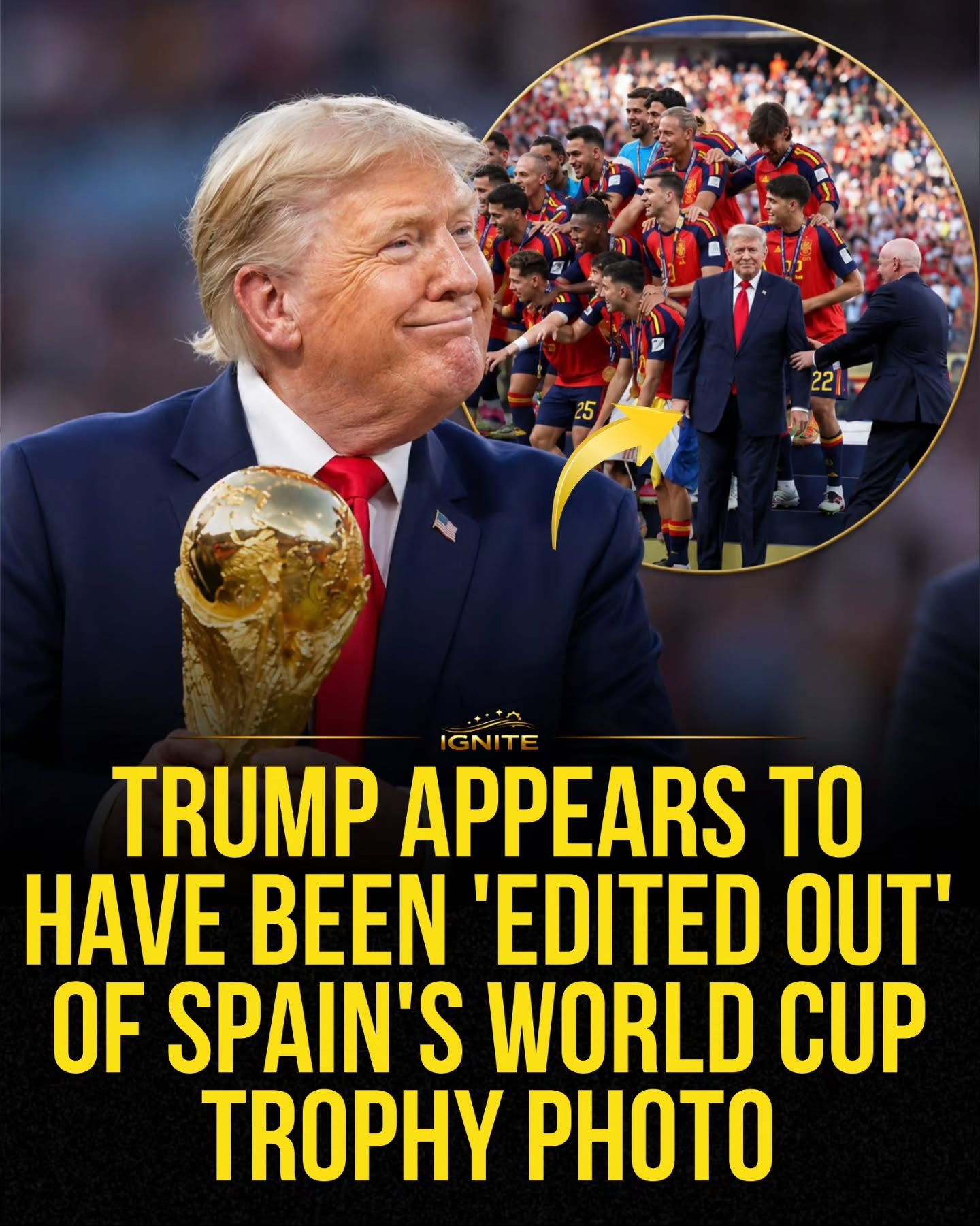
Edited Photo Controversy
The digitally altered image of Donald Trump holding the World Cup trophy stirred controversy and raised questions about the authenticity of news. The photo in question appears to show Trump with the Spanish World Cup team, but closer inspection reveals digital manipulation. To understand the implications, let’s delve into the context, the technical aspects of digital editing, and the broader implications for news integrity.
Context / Why This Matters
An image is often more powerful than words. However, digital technology has blurred the lines between reality and manipulation. When photographs are altered, it can distort public perception, spread misinformation, and even influence global events. The controversy surrounding the digitally enhanced image of Donald Trump with the World Cup trophy epitomizes this problem. News and social media outlets must navigate a landscape where images can be manipulated to serve various agendas.
Main Discussion
The Image and Its Implications
The altered image features Donald Trump superimposed onto a photo of the Spanish World Cup team celebrating with the trophy. The text accompanying the image suggests that Trump has been "edited out," which raises several questions. Was the original photo genuinely edited? If so, by whom, and why? If not, who created the manipulated version, and what was their intent?
The digitization of photography has made it easier than ever to alter images. Advanced software tools like Adobe Photoshop and GIMP allow users to manipulate digital photos with precision. The ease of these tools means that anyone with basic skills can create convincing forgeries, making it increasingly difficult to discern between authentic and altered images.
Adding to the problem is the rapid spread of information in the digital age. A manipulated image can go viral within minutes, reaching millions of people before any fact-checking can occur. This speed and reach amplify the impact of misinformation, making it harder to control the narrative.
The Role of IGNITE
IGNITE, the organization that originally posted the image, is a news outlet that deals with various forms of digital media. IGNITE has a responsibility to ensure the authenticity of the content they share. However, this incident highlights the challenges faced by media organizations. News outlets must constantly verify the authenticity of images and videos, but this process is time-consuming and requires specialized tools and expertise.
Technical Aspects of Image Manipulation
Image manipulation involves several techniques, including:
- Cloning: This technique involves copying a part of an image and pasting it elsewhere to remove or alter elements. For example, a person in a photo can be duplicated or removed using cloning tools.
- Morphing: This technique alters the shape, form, or structure of an object or person within an image. It’s often used to change facial features or add elements that weren’t originally present.
- Retouching: This involves modifying an image to enhance its quality or remove imperfections. In the context of the Trump photo, retouching could have been used to smooth out any visible seams in the digital manipulation.
For amateurs and professionals alike, the tools and techniques for image manipulation are readily available. While these tools have legitimate uses, such as enhancing the quality of an image, they also create a risk of misuse.
Practical Tips
For Media Consumers
- Critical Thinking: Always approach images on social media and news sites with a critical eye. Ask questions about the source and intent behind the image.
- Reverse Image Search: Use tools like Google’s reverse image search to trace the origin of an image. This can help identify if an image has been manipulated.
- Context Check: Look at the context in which the image is being shared. Is it from a reliable source? Are there other confirming images or sources?
- Fact-Checking Websites: Websites like Snopes and FactCheck.org are dedicated to debunking misinformation and can be valuable resources.
For Media Organizations
- Verification Tools: Invest in software and tools that can help verify the authenticity of images. Programs like Adobe’s Content Authenticity Initiative and Truepic can authenticate images.
- Fact-Checking Teams: Have a dedicated team focused on verifying the authenticity of content. This team should be equipped with the latest tools and knowledge in digital forensics.
- Transparency: Be transparent about the sources and verification processes used. Inform the audience about the steps taken to ensure the authenticity of the content.
Important Takeaways
- Manipulated Images Can Influence Opinion: An altered image can significantly sway public opinion and create a false narrative. It's crucial to approach such images with caution.
- Digital Tools Make Manipulation Easy: The availability of sophisticated editing tools has made it easier to create convincing forgeries, exacerbating the problem of misinformation.
- Verification Is Key: Media organizations and consumers alike must prioritize the verification of digital content to mitigate the spread of misinformation.
Conclusion
The digitally altered image of Donald Trump with the World Cup trophy is a stark reminder of the challenges we face in the digital age. As technology advances, so do the methods of manipulation. This controversy underscores the importance of critical thinking, verification, and transparency in the dissemination of information. By staying vigilant and informed, we can better navigate the complex landscape of digital media and ensure that the images we see reflect reality accurately.
Watch the Reel
Questions readers ask
What are the key signs that the Trump World Cup photo might be manipulated?
Signs of manipulation in the Trump World Cup photo include unrealistic shadows, unusual lighting, and misaligned proportions. Close inspection may also reveal pixelation or odd coloring where the image has been altered. Additionally, the context of the photo, such as Trump's whereabouts at the time, can indicate authenticity issues.
How can digital photo manipulation affect public perception and news integrity?
Digital photo manipulation can significantly distort public perception by presenting false narratives as reality. This misinformation can erode trust in news sources and influence public opinion, leading to misunderstandings about events and figures. It can also undermine the integrity of news by making it difficult to discern fact from fiction, which can have broader societal implications.
What are some techniques used in digital photo manipulation?
Digital photo manipulation techniques include layering, cloning, and using filters. Advanced methods like deepfakes use artificial intelligence to create highly convincing but fake images. These techniques can be used to alter, add, or remove elements from a photo, making it appear as though the subject is in a different place, doing different things, or interacting with different people.
How can one verify the authenticity of news images?
To verify the authenticity of news images, check the source and look for any signs of manipulation. Cross-referencing with multiple reliable sources, using reverse image searches, and examining metadata can help determine if an image has been altered. Experts often use specialized tools to detect manipulation, but even close visual inspection can reveal inconsistencies.
What are the broader implications of manipulated images in the media?
Manipulated images in the media can lead to widespread misinformation and mistrust in news outlets. They can be used to spread propaganda, influence political agendas, and even incite public unrest. The ability to manipulate images to such an extent that they appear real poses serious challenges for media literacy and the credibility of journalism.
What is the Trump World Cup hoax and why is it significant?
The Trump World Cup hoax refers to the digitally altered image of former President Donald Trump holding the World Cup trophy with the Spanish World Cup team. It is significant because it exemplifies how easily manipulated digital photos can distort public perception and spread misinformation, making it challenging to navigate a landscape where images may be compromised to serve various agendas.
How can the public protect themselves from falling for manipulated images?
To protect against manipulated images, be critical of what you see, cross-reference information from multiple sources, and verify the origin of images. Stay informed about common manipulation techniques and use tools like reverse image searches. Keeping a healthy dose of skepticism and verifying information through reputable sources can help prevent falling for misinformation.
Related deep dives
Similar reads based on topic and creator.




Recent articles
Fresh deep dives from the latest Reels we unpacked.




Comments
Be the first to comment.