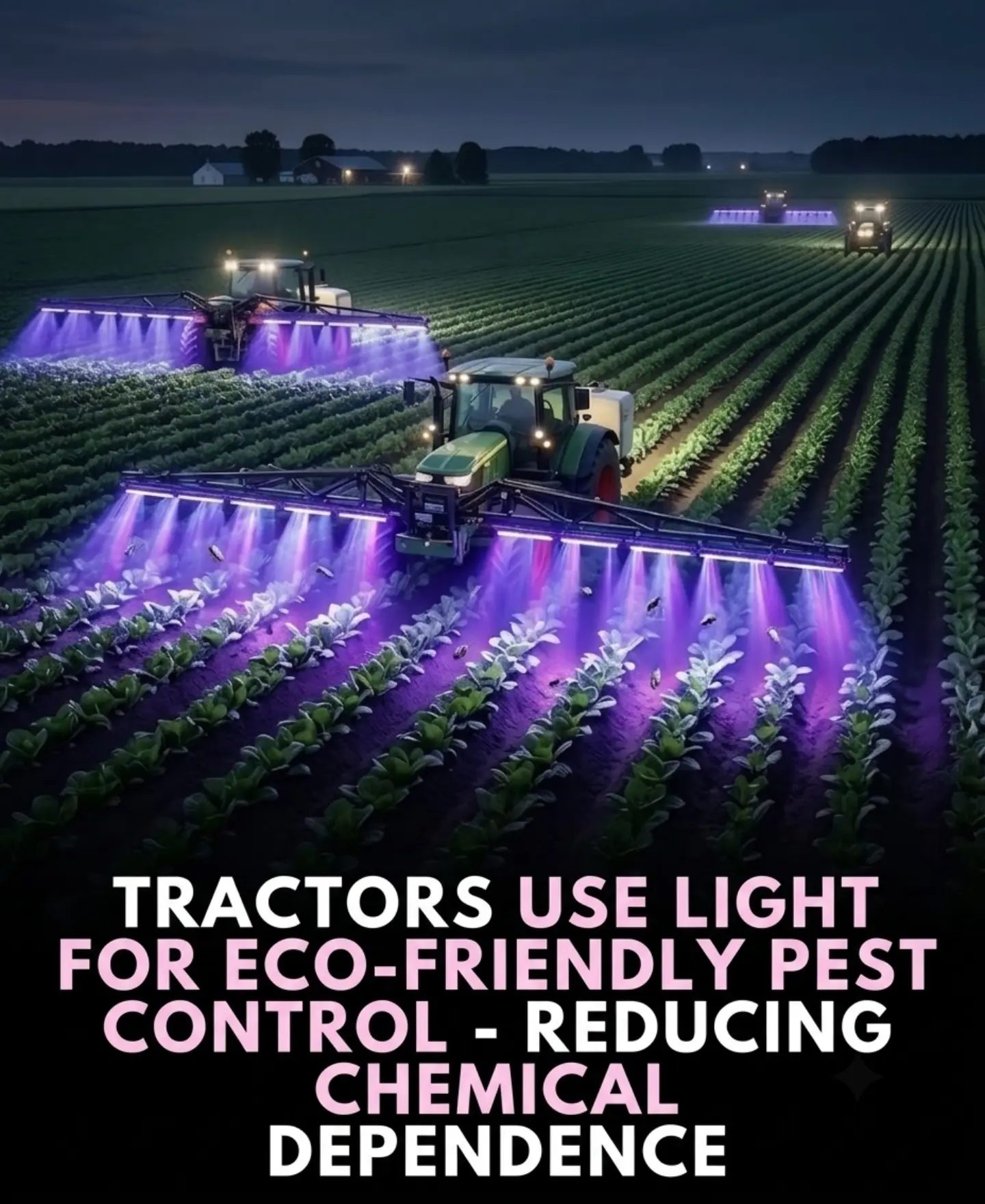
Eco-Friendly Pest Control with UV-C Light and Tractors
Tractors equipped with UV-C light systems are revolutionizing the agricultural industry by offering a sustainable solution to pest control and reducing the need for chemical pesticides. This innovative approach leverages advanced technology to protect crops and promote sustainable farming practices.
Context / Why this matters
Traditional pest control methods often rely heavily on chemical pesticides, which can have detrimental effects on soil health, surrounding ecosystems, and human health. Furthermore, the overuse of chemicals can lead to the development of resistance in pests, making them harder to control over time. Eco-friendly pest control methods, such as those employing UV-C light, offer a promising alternative by targeting pests and pathogens without relying on harmful chemicals.
Main discussion
How UV-C Light Works in Pest Control
UV-C light, a type of ultraviolet light, is particularly effective in pest control because it disrupts the DNA of pests, fungal pathogens, and mildew. This disruption prevents these organisms from reproducing, thereby controlling their populations without leaving any chemical residue.
Zero Chemical Residue
One of the most significant advantages of using UV-C light for pest control is the absence of chemical residue. Traditional pesticides often leave behind residues that can contaminate soil, water, and crops. UV-C light, on the other hand, provides a clean and residue-free solution, making it safer for both the environment and consumers.
Eco-Friendly Protection
Using UV-C light for pest control helps preserve soil health and protects surrounding ecosystems. By reducing the reliance on chemical pesticides, this method minimizes the risk of chemical resistance in crops and promotes a more sustainable agricultural system. Additionally, the lack of chemical runoff helps maintain the overall health of the ecosystem, benefiting both flora and fauna.
Nighttime Applications
UV-C light treatments are often applied at night. This strategic timing takes advantage of the natural biology of plants, which makes pests and fungi more susceptible during the nighttime hours. By targeting these organisms during their most vulnerable periods, the effectiveness of the treatment is significantly enhanced.
Tractors and UV-C Light Systems
Tractors equipped with UV-C light systems are at the forefront of this eco-friendly pest control revolution. These specialized tractors move through fields at night, illuminating the crops with UV-C light. The lights are designed to target and neutralize pests and pathogens, providing a comprehensive and effective solution.
Practical tips
Implementing UV-C Light Systems
-
Identify Areas of Concern: Start by identifying areas in your crops that are most susceptible to pests, fungal pathogens, and mildew. This will help you focus your treatment efforts effectively.
-
Choose the Right Equipment: Invest in tractors equipped with UV-C light systems. Ensure that the equipment is designed for agricultural use and can handle the specific needs of your crops.
-
Plan Nighttime Operations: Schedule your UV-C light treatments for nighttime hours, when pests and fungi are most susceptible. This will maximize the effectiveness of the treatment.
-
Monitor and Adjust: Regularly monitor the health of your crops and the effectiveness of the UV-C treatments. Adjust your treatment plan as needed to address any changes in pest or pathogen populations.
-
Integrate with Other Sustainable Practices: Combine UV-C light treatments with other sustainable farming practices, such as crop rotation and organic fertilizers, to create a comprehensive and effective pest control strategy.
Maintaining Equipment
Regular maintenance of your UV-C light equipment is crucial for ensuring its long-term effectiveness. This includes:
- Cleaning the Lights: Regularly clean the UV-C lights to remove any dirt or debris that could reduce their effectiveness.
- Checking for Damage: Inspect the lights and the tractor for any signs of damage or wear and tear.
- Regular Servicing: Follow the manufacturer's recommendations for regular servicing and maintenance to keep the equipment in optimal condition.
Important takeaways
- UV-C light treatments offer a sustainable and effective alternative to traditional chemical pesticides.
- Nighttime applications of UV-C light are particularly effective in controlling pests and pathogens.
- Tractors equipped with UV-C light systems provide a practical and efficient way to implement this eco-friendly pest control method.
- Combining UV-C treatments with other sustainable farming practices can enhance overall crop health and yield.
Conclusion
The use of UV-C light in conjunction with tractors represents a significant step forward in sustainable agriculture. By reducing reliance on chemical pesticides, this method not only protects the environment but also ensures healthier crops and safer food. As more farmers adopt this technology, the future of farming looks brighter, greener, and more sustainable.
Watch the Reel
Questions readers ask
How does UV-C light specifically target pests and pathogens?
UV-C light works by damaging the DNA of pests and pathogens, preventing them from reproducing and ultimately leading to their demise. This method is highly effective because it disrupts their cellular processes, making it a potent solution for pest control without harming the environment or beneficial organisms.
What are the benefits of using UV-C light systems on tractors for pest control?
UV-C light systems on tractors provide a chemical-free approach to pest control, reducing the environmental impact and health risks associated with traditional pesticides. Additionally, these systems can be used at night, allowing for efficient pest control without disrupting regular farming operations, and they help prevent the development of pesticide resistance in pests.
How do UV-C light systems on tractors promote sustainable farming practices?
By reducing the reliance on chemical pesticides, UV-C light systems help maintain soil health and minimize pollution of surrounding ecosystems. This promotes long-term sustainability in agriculture and supports the health of consumers and farm workers by eliminating exposure to harmful chemicals.
Can UV-C light systems on tractors be integrated with other farming technologies?
Yes, UV-C light systems can be integrated with other farming technologies, such as precision agriculture tools and automated systems. This integration allows for more targeted and efficient pest control, enhancing the overall effectiveness of sustainable farming practices and making it easier for farmers to adopt new technologies.
What are the nighttime advantages of using UV-C light systems for pest control?
Using UV-C light systems at night enables farmers to target pests during their most active periods, such as evening and early morning hours. This timing ensures maximum effectiveness, as pests are less likely to develop resistance to the UV-C treatment, and it minimizes the impact on beneficial insects that are active during the day.
Related deep dives
Similar reads based on topic and creator.




Recent articles
Fresh deep dives from the latest Reels we unpacked.




Comments
Be the first to comment.