Tampon Safety Concerns
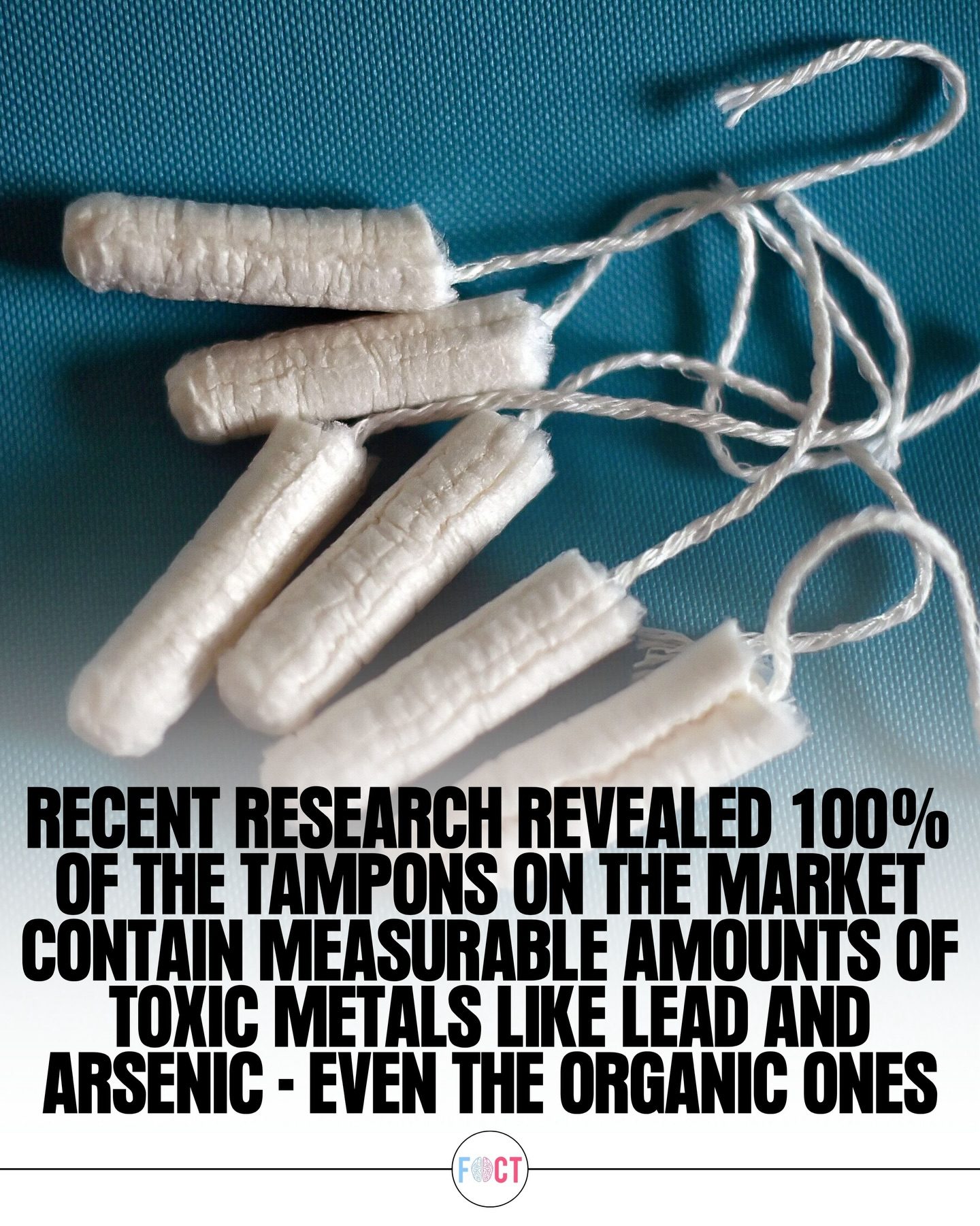
Recent research has shed light on a concerning issue in the realm of feminine hygiene products. A study published in the journal "Environment International" found trace amounts of lead, arsenic, and 14 other metals in all tampons currently available on the market. This includes both organic and non-organic tampons, raising important questions about safety and regulation.
Context: Why This Matters
Tampons are a widely used and essential product for many individuals. The findings of this study underscore the importance of understanding what goes into these products and the potential health implications. Since these products are in direct contact with sensitive areas of the body, any contaminants present can pose significant health risks.
Main Discussion
Understanding the Findings
The study revealed that 100% of the tampons tested contained some levels of toxic metals. Organic tampons, which are often marketed as a safer, more natural alternative, were found to have higher average concentrations of arsenic. This is likely due to cotton plants absorbing naturally occurring arsenic from the soil or from natural fertilizers. On the other hand, non-organic tampons tended to have higher levels of lead. Lead was detected in every single tampon tested, which is particularly alarming given that there is no safe level of lead exposure.
Health Implications of Lead and Arsenic
Lead is a neurotoxin that can cause irreversible damage to the brain and nervous system, especially in developing bodies. Exposure to lead can lead to a range of health issues, including lower IQ, learning disabilities, mental health problems, and neurodegenerative disorders. It can also cause serious health problems such as increased blood pressure, heart disease, and kidney damage in both children and adults. Lead has no known beneficial function in the body and is a cumulative poison that can be stored in bones, teeth, and other tissues for years. During pregnancy, lead stored in a mother's bones can be released and passed on to the fetus, potentially leading to premature birth or low birth weight.
Arsenic, another toxic metal found in tampons, is linked to a variety of health problems, including skin, bladder, and lung cancer, as well as heart disease. Chronic exposure to arsenic can also cause skin lesions, diabetes, and other health issues.
The Cumulative Effect of Toxic Metals
One of the most concerning aspects of these findings is the cumulative effect of long-term, low-level exposure to these toxic metals. Even small amounts can be dangerous, and over time, these metals can accumulate in the body, leading to health problems. This is particularly worrying given that tampons are a product used regularly by many individuals, increasing the potential for long-term exposure.
Regulatory and Industry Responses
The presence of toxic metals in tampons raises important questions about regulation and industry standards. Currently, there is limited regulation of the ingredients in tampons, and manufacturers are not required to disclose all the materials used in their products. This lack of transparency makes it difficult for consumers to make informed decisions about the products they use.
Practical Tips
Given the potential risks associated with toxic metals in tampons, it's important to take proactive steps to minimize exposure. Here are some practical tips:
Choose Products Carefully
While the study indicates that even organic tampons contain toxic metals, some products may have lower levels. Look for brands that prioritize transparency and have strict quality control measures in place. Researching product reviews and customer feedback can also provide valuable insights into the safety and quality of different brands.
Limit Exposure
Consider using alternative menstrual products, such as menstrual cups or reusable cloth pads, which can reduce the frequency of tampon use. If you do use tampons, limit their use to the minimum necessary and opt for lower absorbency tampons when possible.
Stay Informed
Keep up-to-date with the latest research and recommendations regarding menstrual products. Industry standards and regulations are subject to change, and staying informed can help you make the best decisions for your health.
Advocate for Change
Raise awareness about the issue and advocate for stricter regulation and transparency in the menstrual product industry. Writing to manufacturers, regulatory bodies, and policymakers can help drive change and improve the safety of menstrual products.
Important Takeaways
The findings of the study on toxic metals in tampons highlight the need for greater awareness and action in the realm of menstrual product safety. Key takeaways include:
- All tampons on the market contain measurable amounts of toxic metals, including lead and arsenic.
- Organic tampons may have higher levels of arsenic due to natural contamination from soil and fertilizers.
- There is no safe level of lead exposure, and even low levels can have serious health implications.
- Long-term, low-level exposure to toxic metals can lead to cumulative health problems.
- Increased transparency and regulation in the menstrual product industry are needed to ensure product safety.
Conclusion
The presence of toxic metals in tampons is a concerning issue that warrants attention from both consumers and industry stakeholders. By staying informed, choosing products carefully, and advocating for change, we can work towards improving the safety of menstrual products and protecting our health. This is a real-world issue impacting many individuals, and collective effort and awareness can drive meaningful change.
Watch the Reel
Questions readers ask
Are all tampons, including organic ones, affected by toxic metals?
Yes, recent studies have detected trace amounts of toxic metals, such as lead and arsenic, in all tampons, regardless of whether they are organic or not.
What are the potential health risks associated with toxic metals in tampons?
The presence of toxic metals in tampons is concerning because these products are in direct contact with sensitive areas of the body. This proximity can lead to the absorption of these metals, potentially causing health issues over time.
How do toxic metals end up in tampons?
Toxic metals in tampons can come from various sources, including the raw materials used in their production, such as cotton, rayon, or synthetic fibers, and the manufacturing processes themselves, which might involve chemicals that contain these metals.
Are there any tampons on the market that are free from toxic metals?
Based on current research, no tampons on the market are completely free from toxic metals. However, some brands may have lower levels of these contaminants compared to others.
What can consumers do to minimize their exposure to toxic metals in tampons?
While it's challenging to avoid toxic metals entirely, consumers can opt for brands that have been tested for lower levels of contaminants. Additionally, using tampons sparingly and for shorter durations can help reduce overall exposure.
How do recent studies compare the metal levels in organic and non-organic tampons?
Recent studies, including one published in 'Environment International,' found that both organic and non-organic tampons contain trace amounts of toxic metals. However, the levels of these metals can vary between brands, and some organic options may have lower concentrations.
What regulatory actions are being taken to address the presence of toxic metals in tampons?
As of now, regulatory actions specifically targeting toxic metals in tampons are limited. Increased awareness and advocacy from consumers can push for stricter regulations and better testing standards to ensure the safety of these products.
Related deep dives
Similar reads based on topic and creator.



Recent articles
Fresh deep dives from the latest Reels we unpacked.




Comments
Be the first to comment.