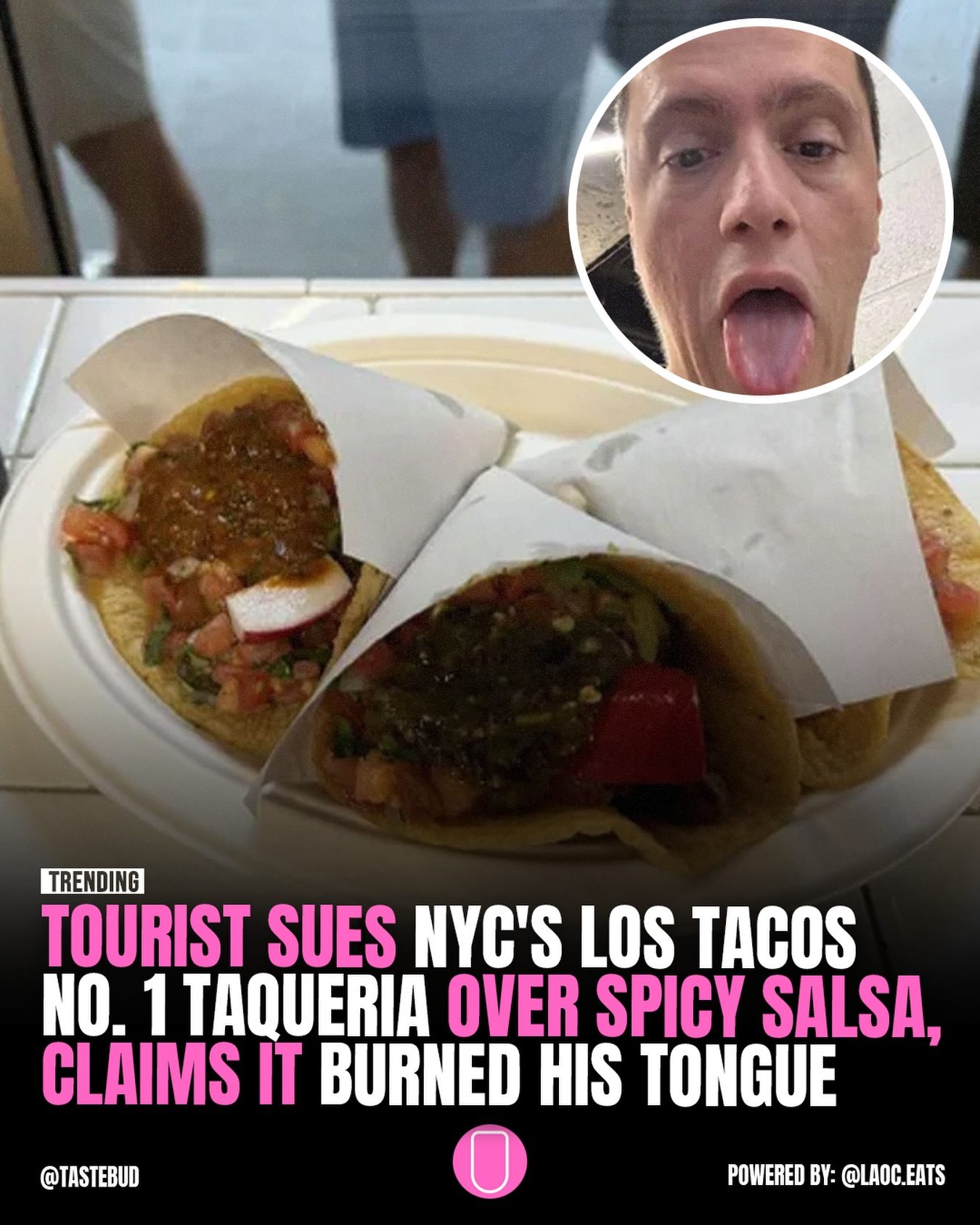
The Lawsuit and Aftermath of a Spicy Salsa Incident
In 2024, a German tourist named Faycal Manz filed a lawsuit against the Los Tacos No. 1 restaurant in New York City. Manz claimed that the restaurant's spicy salsa caused severe burns to his mouth, leading to nausea, diarrhea, and blisters on his tongue. The incident sparked a larger conversation about the disclosure of spice levels and customer safety in dining establishments. The lawsuit and counterclaims have provided valuable insights into food safety, customer awareness, and legal interpretations of restaurant responsibilities.
Context / Why this matters
Los Tacos No. 1 is a popular taqueria in Times Square, New York City. The incident involving Faycal Manz highlights the broader implications of spicy food consumption, restaurant liability, and the legal framework surrounding food safety. Understanding the events and the legal outcomes can help diners navigate similar situations, while also educating restaurant owners about the importance of clear communication and safety measures.
Main discussion
The Spicy Salsa Incident
The incident unfolded when Faycal Manz, a German tourist, visited the Times Square location of Los Tacos No. 1. Manz added a substantial amount of salsa to his tacos and immediately experienced intense burning sensations. According to his claims, the reaction caused nausea, diarrhea, and blisters on his tongue. Manz argued that the restaurant failed to adequately warn customers about the spicy nature of the salsa, which contributed to his severe reaction.
Legal Proceedings
Manz’s lawsuit sought compensation for medical costs and emotional distress resulting from the incident. He claimed that the lack of clear warnings about the salsa's spice level was a significant factor in his severe reaction. The court documents outlined his allegations and the compensatory measures he sought. However, a federal judge ultimately rejected the lawsuit, dismissing the case and ending the legal proceedings.
The Restaurant's Response
Los Tacos No. 1 defended its position by asserting that the salsa's spicy nature was clearly indicated to customers. The restaurant emphasized that it is common for spicy foods to carry warnings, and the salsa was labeled as such. The restaurant also highlighted that they are not responsible for customers' reactions to the spice level of their offerings.
Judgment and Implications
The federal judge's decision to dismiss the case carries significant implications. Firstly, it sets a precedent for future cases involving spicy food and customer liability. The ruling suggests that restaurants may not be held legally responsible for customers' reactions to spicy foods, provided they have adequately warned customers about the spice level. Secondly, it underscores the importance of clear labeling and communication in public safety.
Practical tips
For Diners
Dining out, especially in a new place, requires taking certain precautions when dealing with unfamiliar foods. Here are some practical tips:
- Read Labels and Ask Questions: Always check labels and ask server for information on spice levels, especially if you have dietary sensitivities or allergies.
- Start Small: When trying new or unfamiliar spicy foods, start with a small amount and gradually increase if you tolerate the spice.
- Know Your Limits: Understand and respect your spice tolerance level. If you're not sure, it's better to err on the side of caution.
For Restaurant Owners
Restaurant owners and staff play a crucial role in ensuring customer safety and satisfaction. Here are some practical tips:
- Clear Communication: Ensure that all menu items, especially spicy ones, have clear and visible warnings about their spice levels.
- Responsibility: Training staff to effectively communicate potential spicy levels of the dishes and responding to inquiries with honesty and care.
- Allergy Information: Clearly display any allergy information to those who may have severe reactions. Always ensure that menus are legible. Have an employee at the front desk available to help clarify any questions.
Important takeaways
The rejection of the lawsuit against Los Tacos No. 1 underscores the importance of clear communication in dining establishments. The case highlights that restaurants are not necessarily liable for customers' reactions to spicy foods, provided they have taken adequate measures to warn customers. For diners, it reinforces the importance of being cautious and informed about the foods they consume. For restaurant owners, it emphasizes the need for clear, visible warnings and effective communication about spice levels.
Conclusion
While the incident involving Faycal Manz and Los Tacos No. 1 may seem like an isolated event, it has broader implications for both diners and restaurant owners. By understanding the legal and practical aspects of food safety and customer awareness, both parties can better navigate similar situations. Clear communication, adequate warnings, and respect for individual tolerances are key to ensuring a safe and enjoyable dining experience. The aftermath of the lawsuit serves as a reminder for diners to be cautious and for restaurants to prioritize customer safety and satisfaction.
Watch the Reel
Questions readers ask
Why did the German tourist sue the NYC taqueria?
The tourist, Faycal Manz, sued Los Tacos No. 1 in New York City because he claimed that consuming their spicy salsa caused severe burns, nausea, diarrhea, and blisters on his tongue.
What was the outcome of the lawsuit?
The lawsuit was rejected. The details of the rejection are not specified. You can find more information in the court records or from the NYT's original source of this incident.
What are the key issues highlighted by this lawsuit?
The lawsuit raises important issues about how restaurants should communicate the spice levels of their food, the legal responsibilities of dining establishments in ensuring customer safety, and the broader implications of consuming extremely spicy food.
How did the restaurant respond to the lawsuit?
The restaurant filed a counterclaim, but the specific details of their response were not provided in the article. To learn more, look for updates about the case from a reliable news source.
What can other restaurants learn from this incident?
Restaurants should ensure they clearly communicate the spice levels of their dishes to customers. This might involve using clear labeling or providing verbal warnings to customers to help prevent similar incidents.
What are the potential legal responsibilities of restaurants in ensuring customer safety?
Restaurants have a responsibility to ensure that customers are aware of the potential risks associated with the food they serve. This includes providing accurate information about spice levels and taking steps to prevent harm to customers.
What can tourists do to protect themselves from similar incidents?
Tourists should be cautious when trying new foods, especially in places with different culinary traditions. Pay attention to warnings about spice levels and don't hesitate to ask restaurant staff for more information about the dishes you are trying.
Related deep dives
Similar reads based on topic and creator.




Recent articles
Fresh deep dives from the latest Reels we unpacked.




Comments
Be the first to comment.