The Future of Surveillance and Privacy
Context / Why This Matters
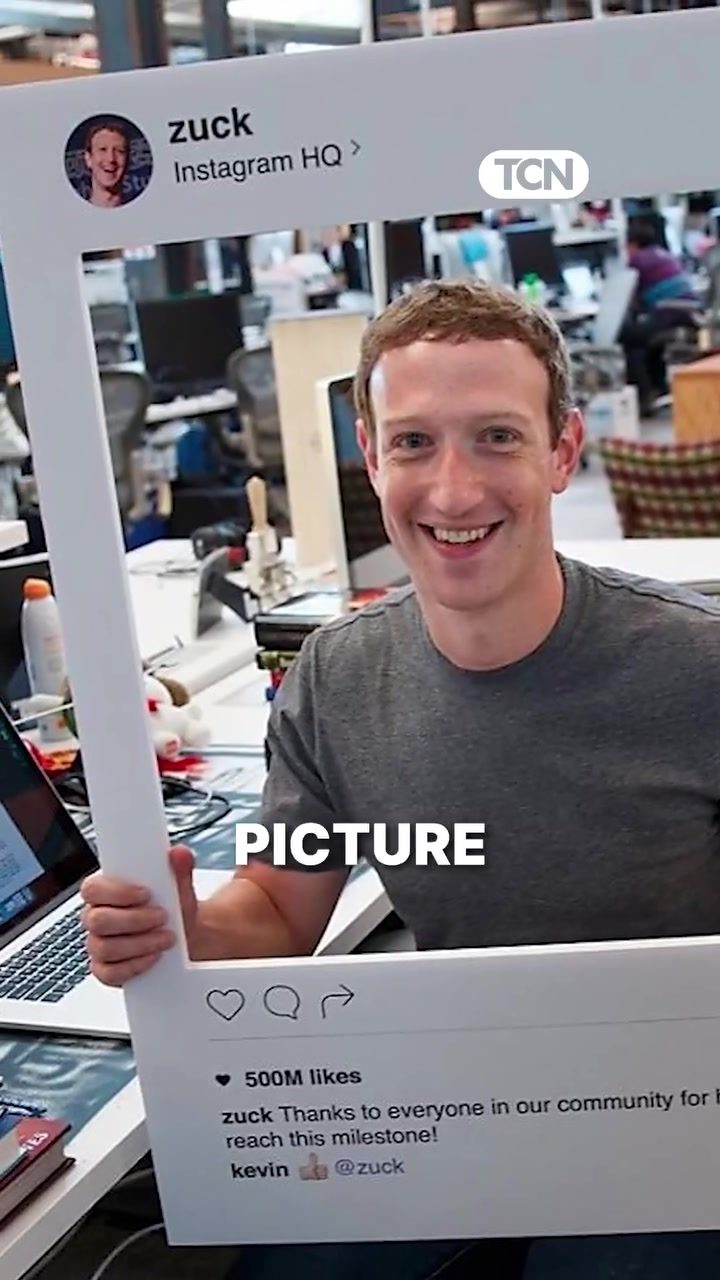
Surveillance technology has advanced rapidly and become an integral part of modern life. Cameras and microphones are ubiquitous, embedded in devices from smartphones to laptops. This widespread surveillance has sparked significant debates about privacy and security. The actions of influential figures like Mark Zuckerberg, Benjamin Netanyahu, and former FBI Director Jim Comey offer insights into how the most informed individuals navigate this landscape.
The Rise of Surveillance
Surveillance technology has become a ubiquitous part of modern life. From smartphones to laptops, cameras and microphones are everywhere, constantly recording and transmitting data. This pervasive monitoring has raised significant concerns about privacy and security. High-profile individuals, including tech executives, political figures, and even the world's second-richest man, Oracle's Larry Ellison, have adopted measures to safeguard their privacy in a world where surveillance is the norm.
Key Figures and Their Actions
Mark Zuckerberg, the founder of Facebook, is often seen with his camera and microphone taped over on his MacBook. This practice is not an indication of ignorance but a proactive measure to protect his privacy. Benjamin Netanyahu, the former Prime Minister of Israel, is known to cover his iPhone cameras with tape. Similarly, former FBI Director Jim Comey has been observed taping over his webcams. These actions highlight a growing awareness and concern about the potential for surveillance and the need to take proactive steps to protect personal information.
These prominent figures are not alone in their concerns. Oracle's Larry Ellison, the world's second-richest man, has publicly expressed his views on surveillance, stating that constant recording and reporting of activities can lead to a dystopian future. Ellison's comments underscore the broader implications of pervasive surveillance on societal behavior and individual privacy.
Public Perception and Awareness
The actions of these influential individuals have sparked public awareness about the potential risks associated with constant surveillance. As more people become aware of the pervasiveness of recording devices, there is a growing interest in understanding how to protect personal data and privacy. This heightened awareness is crucial in an era where technology is evolving rapidly, and the boundaries between public and private spaces are increasingly blurred.
The Future of Surveillance
The future of surveillance is a complex and evolving landscape. As technology advances, the capabilities of surveillance systems continue to grow, raising new challenges and concerns. Constant recording and reporting of activities can have profound implications for individual behavior and societal norms. This future looks dystopian, where citizens may feel compelled to be on their best behavior at all times, aware that their actions are being monitored and recorded.
Ethical and Legal Implications
The ethical and legal implications of pervasive surveillance are significant. Privacy rights, data protection, and the potential for misuse of surveillance technology are all critical issues that need to be addressed. Governments, corporations, and individuals must work together to establish guidelines and regulations that balance the benefits of surveillance with the need to protect individual privacy. This includes developing robust data protection laws, promoting transparency in surveillance practices, and ensuring that individuals have control over their personal data.
Practical Tips
In a world where surveillance is ubiquitous, taking proactive steps to protect personal privacy is essential. Here are some practical tips to help safeguard your information and privacy:
Physical Measures
- Cover Your Webcams: Use tape or a webcam cover to block your device's camera when not in use. This simple step can prevent unauthorized access to your camera.
- Disable Microphones: If your device has a physical switch to disable the microphone, use it when you are not recording or in a private conversation.
- Turn Off Devices: When not in use, turn off your devices to minimize the risk of unauthorized access.
Digital Measures
- Use Privacy-Specific Apps: Install apps and software designed to enhance privacy, such as VPNs, encryption tools, and anti-malware software.
- Update Software Regularly: Keep your software and operating systems up-to-date to ensure you have the latest security patches and protections.
- Limit Data Sharing: Be cautious about the information you share online and with third-party apps. Limit data sharing to only essential information.
Important Takeaways
- Awareness is Key: Being aware of the potential for surveillance is the first step in protecting your privacy.
- Proactive Measures: Taking proactive steps, such as covering webcams and disabling microphones, can significantly enhance your privacy.
- Legal and Ethical Considerations: Understanding the legal and ethical implications of surveillance is crucial for advocating for better privacy protections.
- Balanced Approach: Finding a balance between the benefits of technology and the need for privacy is essential for a secure and private future.
Conclusion
The future of surveillance is a complex and evolving landscape. While technology offers numerous benefits, it also poses significant challenges to individual privacy. The actions of influential figures like Mark Zuckerberg, Benjamin Netanyahu, and Jim Comey highlight the growing awareness and concern about surveillance. By taking proactive steps to protect personal privacy and advocating for robust data protection laws, individuals can navigate this landscape more securely. Understanding the ethical and legal implications of surveillance is crucial for creating a future where technology serves the needs of society while respecting individual privacy.
Watch the Reel
Questions readers ask
Why do top leaders like Mark Zuckerberg and Benjamin Netanyahu tape their cameras and microphones?
Leaders tape their cameras and microphones to prevent unauthorized access to their personal information and conversations. By physically covering these devices, they aim to block potential surveillance and data breaches, ensuring their privacy even when they can't monitor their devices directly. This practice highlights their proactive stance on data security and privacy, which has become increasingly important for those in high-profile positions
How does taping cameras and microphones relate to broader privacy concerns?
Taping cameras and microphones is a visible response to the growing anxiety around constant monitoring and data collection. With surveillance technology becoming more advanced and pervasive, individuals, especially high-profile ones, are taking steps to protect their personal data. This trend shows that even the most informed people are not immune to the risks of surveillance and are actively seeking ways to mitigate those risks
What can average individuals learn from leaders like Mark Zuckerberg and Jim Comey about data protection?
People in any profession can adopt a proactive approach to data protection. By observing leaders like Mark Zuckerberg and Jim Comey, one can understand the importance of simple, yet effective, measures such as taping cameras and microphones. These actions send a clear message about the significance of privacy in an increasingly connected world. Additionally, it is essential to stay informed about the latest privacy tools and practices available to the public
Do leaders consider these actions as a long-term solution or just temporary precautions?
Leaders like Mark Zuckerberg and Jim Comey view taping cameras and microphones as part of a broader, ongoing strategy for privacy. While it might not be a permanent solution, it serves as an immediate and practical step to mitigate risks. Long-term solutions should involve a combination of technological advancements, policy changes, and public awareness to create a more secure digital environment. In the meantime, these immediate precautions help safeguard sensitive information
What other proactive privacy measures can individuals take to protect themselves?
Taping cameras and microphones is a simple and obvious step, but there are more. For example, individuals can use privacy-focused tools and software that encrypt data and minimize data collection. Regularly updating software and devices can also help protect against known vulnerabilities. It is also crucial to review and adjust privacy settings on various platforms and devices, ensuring that only necessary permissions are granted. By combining these approaches, individuals can significantly enhance their privacy and security
Related deep dives
Similar reads based on topic and creator.



Recent articles
Fresh deep dives from the latest Reels we unpacked.




Comments
Be the first to comment.