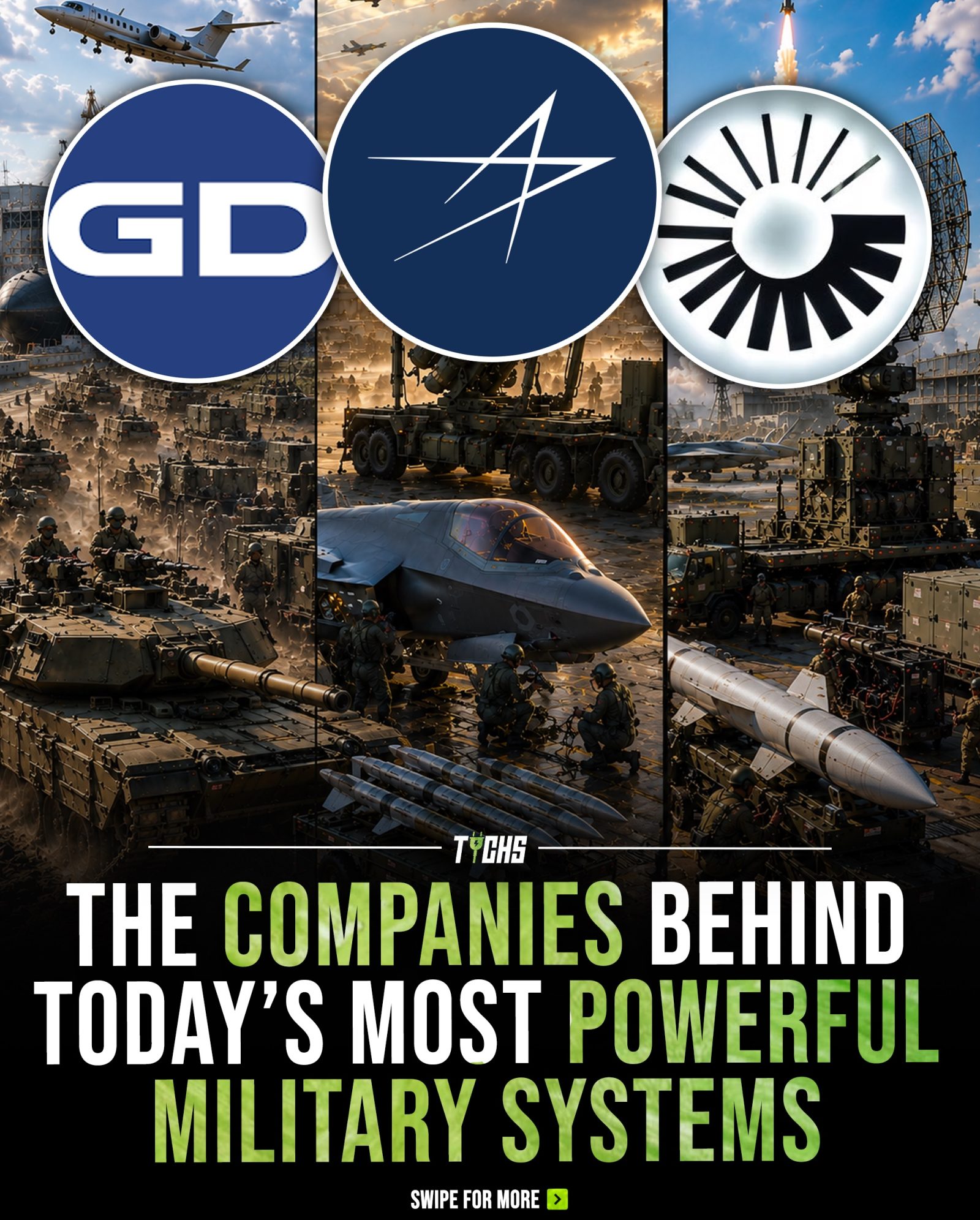
Military Systems Companies: The Powerhouses Behind Modern Warfare
Defense companies are at the forefront of developing cutting-edge military technologies, from fighter jets and missile systems to advanced battlefield systems, generating hundreds of billions of dollars in revenue annually. These companies play a pivotal role in shaping the future of global defense infrastructure. Let's delve into the world of military systems and the companies that drive innovation in this critical sector.
Why This Matters
The defense industry is not just about manufacturing military equipment; it's about ensuring national security, driving technological advancements, and maintaining geopolitical stability. The companies behind today's most powerful military systems are responsible for developing technologies that protect nations and power global defense strategies.
The Major Players
Lockheed Martin
Lockheed Martin is a cornerstone of the defense industry, renowned for its aircraft and missile systems. The company is a leader in developing stealth technology, with notable contributions to the F-22 Raptor and F-35 Lightning II fighter jets. Lockheed Martin's missile defense systems, such as the Terminal High Altitude Area Defense (THAAD) system, are critical in safeguarding against ballistic missile threats.
RTX Corporation
RTX Corporation, formerly known as Raytheon Technologies, is a key player in defense and aerospace. The company specializes in advanced electronics, sensors, and integrated systems for military applications. RTX Corporation's contributions include the development of advanced radar systems, precision-guided munitions, and cybersecurity solutions.
Northrop Grumman
Northrop Grumman is a significant player in the defense sector, generating over $40 billion annually. The company is known for its unmanned systems, cybersecurity solutions, and advanced weaponry. Notable projects include the B-2 Spirit stealth bomber and the E-8 Joint STARS surveillance aircraft. Northrop Grumman's contributions extend to space systems and military AI, reflecting its comprehensive role in modern defense.
Boeing
Boeing is another major defense contractor, contributing to a wide range of military systems. The company is a leader in developing fighter jets, such as the F/A-18E/F Super Hornet and the T-7A Red Hawk advanced pilot training system. Boeing's contributions also include the CH-47 Chinook helicopter, which is widely used in military operations worldwide.
General Dynamics
General Dynamics is a major defense company, generating over $45 billion annually. The company specializes in combat systems, marine systems, and information systems. Notable projects include the M1 Abrams main battle tank and the General Dynamics NASSCO shipbuilding division, which develops naval vessels. General Dynamics' contributions to missile defense systems and military AI are also significant.
BAE Systems
BAE Systems is a global defense, aerospace, and security company. The company is known for its contributions to military vehicles, aircraft, and naval systems. BAE Systems' projects include the Typhoon fighter jet, the Bradleys and Amphibious Combat Vehicles, and the Queen Elizabeth-class aircraft carriers.
Palantir Technologies
Palantir Technologies specializes in big data analytics and military AI. The company's software platforms are used for intelligence gathering, cybersecurity, and predictive analytics. Palantir's contributions to defense include helping to integrate and analyze vast amounts of data to support military operations and decision-making.
Advanced Military Systems
Fighter Jets
Modern fighter jets are symbol of military power, equipped with advanced avionics, stealth technology, and precision weapons. Companies like Lockheed Martin and Boeing have developed some of the most advanced fighter jets in the world, such as the F-35 Lightning II and the F/A-18E/F Super Hornet. These aircraft are designed for air superiority, ground attack, and maritime strike missions.
Missile Systems
Missile systems are crucial for defense and deterrence. Companies like Lockheed Martin and RTX Corporation develop various types of missiles, including ballistic missiles, cruise missiles, and anti-ballistic missile systems. These systems are essential for protecting against aerial, naval, and land-based threats, ensuring national security.
Submarines
Submarines are vital for underwater warfare, providing stealth and strategic advantages. Companies like General Dynamics specialize in developing advanced submarines, such as the Virginia-class submarines. These vessels are equipped with advanced sonar systems, torpedoes, and missiles, making them a cornerstone of naval defense.
Military AI and Cybersecurity
As technology advances, military AI and cybersecurity have become critical components of modern warfare. Companies like Palantir Technologies and Northrop Grumman are at the forefront of developing AI-driven systems, including autonomous vehicles, surveillance platforms, and data analytics tools. Cybersecurity solutions are also crucial for protecting military networks and infrastructure from cyber threats.
Satellites
Satellite technology is essential for communication, surveillance, and navigation in military operations. Companies like Northrop Grumman and Boeing develop various types of satellites, including communication satellites, earth observation satellites, and navigation systems. These satellites provide real-time intelligence, enabling effective command and control in military operations.
Advanced Battlefield Systems
Advanced battlefield systems integrate various technologies to enhance military capabilities. Companies like General Dynamics and BAE Systems develop systems such as combat vehicles, drones, and integrated command and control systems. These technologies provide a tactical edge in modern warfare, improving situational awareness and operational effectiveness.
Practical Tips for Understanding Military Systems
When exploring the world of military systems, it's essential to understand the key players, their contributions, and the technologies they develop. Here are some practical tips for gaining a deeper understanding of this critical sector:
Follow Industry News
Stay updated with the latest developments in the defense industry by following reputable news sources and industry publications. This will help you stay informed about new technologies, contracts, and geopolitical trends affecting the military systems sector.
Explore Company Websites
Visit the websites of major defense companies to learn more about their products, projects, and innovations. Many companies provide detailed information about their technologies, capabilities, and contributions to defense and security.
Attend Defense Conferences
Participating in defense conferences and exhibitions can provide valuable insights into the latest advancements in military systems. These events offer opportunities to network with industry experts, see cutting-edge technologies, and gain a broader understanding of the defense landscape.
Engage with Defense Analysts
Follow defense analysts and experts who specialize in military technologies and geopolitics. Their analysis and commentary can provide deeper insights into the complexities of the defense industry and the role of military systems in global security.
Important Takeaways
-
Diverse Technological Contributions: Defense companies contribute to a wide range of military systems, from fighter jets and missile systems to advanced battlefield technologies. Each company has unique strengths and expertise in specific areas.
-
Technological Innovation: The defense industry is at the forefront of technological innovation, driving advancements in military AI, cybersecurity, and space systems. These technologies are crucial for maintaining national security and geopolitical stability.
-
Financial Impact: Defense companies generate significant revenue, reflecting the strategic importance of military systems. Their financial contributions support research and development, ensuring continuous innovation in defense technology.
-
Global Defense Infrastructure: The technologies developed by these companies are used across air, land, sea, cyber, and space operations, shaping the future of modern warfare and defense infrastructure.
Conclusion
The defense industry and the companies behind today's most powerful military systems play a crucial role in global defense and security. By developing cutting-edge technologies, these companies ensure that nations are well-equipped to face modern threats and challenges. Understanding the key players, their contributions, and the technologies they develop is essential for grasping the complex and vital world of military systems.
Watch the Reel
Related deep dives
Similar reads based on topic and creator.

Recent articles
Fresh deep dives from the latest Reels we unpacked.




Comments
Be the first to comment.