Advanced Agriculture Technology
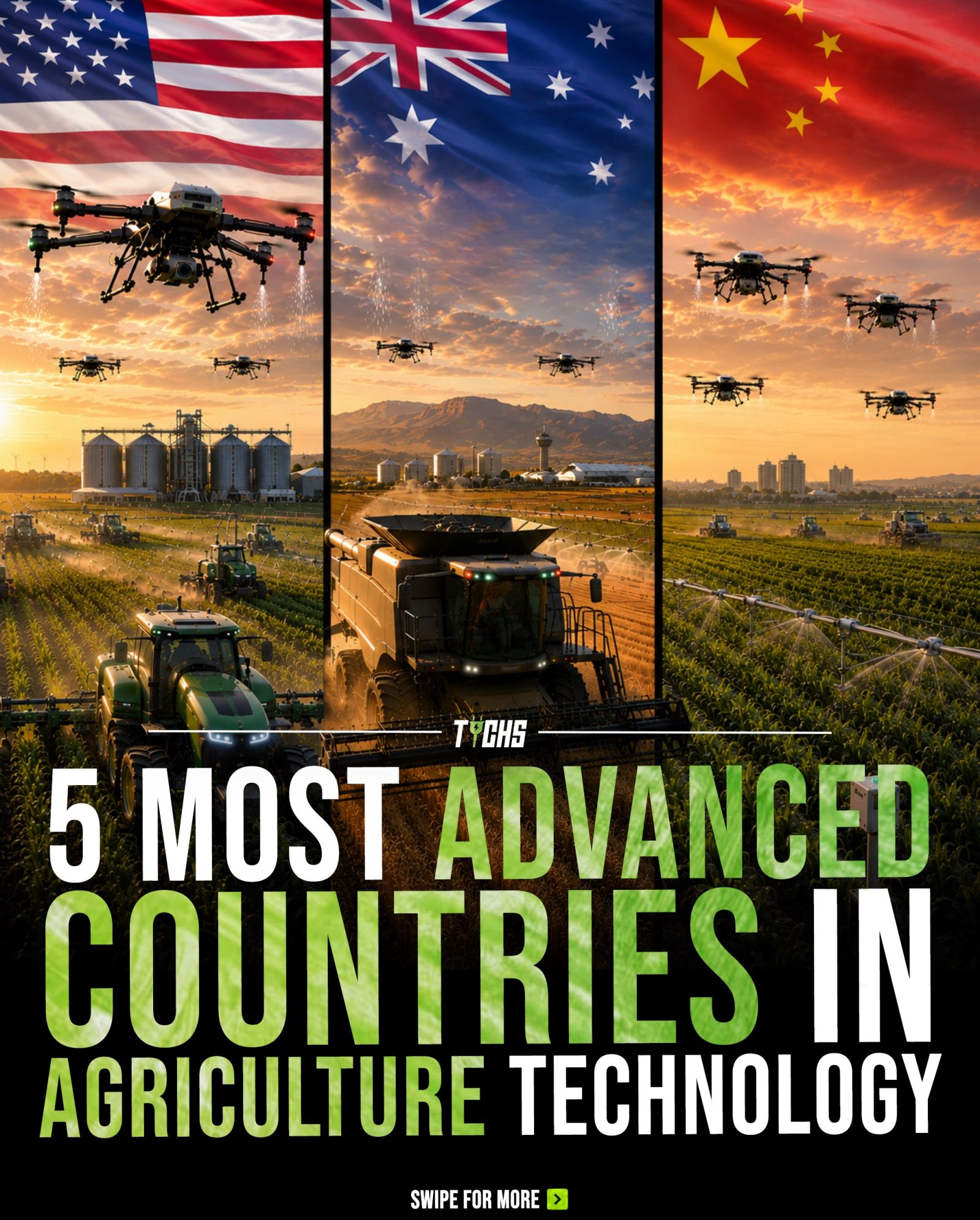
Modern agriculture is being revolutionized by a suite of cutting-edge technologies. AI, robotics, satellites, drones, and data are driving this transformation, reshaping how countries like China, Australia, Canada, the United Kingdom, and the United States approach farming. These nations are at the forefront of integrating precision agriculture, autonomous machinery, smart irrigation, AI crop monitoring, greenhouse automation, and vertical farming. The goal? To enhance productivity, minimize waste, optimize resource use, and bolster food security amidst a growing global population and increasing climate challenges.
Why This Matters
As the world's population expands and climate uncertainty looms, sustainable food production is more critical than ever. Advanced agricultural technology is not just a futuristic concept; it's a present-day necessity. By leveraging AI, robotics, and data analytics, farmers can make more informed decisions, reduce environmental impact, and meet the rising demand for food.
The Technologies Driving the Future of Farming
Precision Agriculture
Precision agriculture involves using technologies such as satellites, drones, and AI to monitor and manage crops and livestock more precisely. This approach allows farmers to apply resources like water, fertilizer, and pesticides only where needed, reducing waste and environmental impact. Countries like the United States and Australia are leading the way in this field, implementing sophisticated monitoring systems that track soil health, weather patterns, and crop growth in real-time.
Drones and Satellites
Drones and satellites are essential tools in precision agriculture. They provide high-resolution imagery and data that help farmers identify issues such as pests, diseases, and nutrient deficiencies. This information enables targeted interventions, improving crop health and yields.
AI and Data Analytics
AI and data analytics play a pivotal role in precision agriculture. By analyzing vast amounts of data, AI can predict crop yields, identify optimal planting times, and even forecast pests and diseases. This predictive capability helps farmers make proactive decisions, minimizing losses and maximizing efficiency.
Autonomous Machinery
Autonomous machinery is revolutionizing farming by reducing labor costs and increasing efficiency. Tractors, harvesters, and other agricultural machinery are increasingly equipped with sensors and AI, allowing them to operate autonomously. This technology is particularly beneficial in large-scale farming operations, where human labor can be a significant expense.
Countries like Canada are at the forefront of adopting autonomous machinery, using it to perform tasks such as planting, fertilizing, and harvesting. These machines can work around the clock, ensuring that farming operations are not constrained by human limitations.
Smart Irrigation
Smart irrigation systems use sensors and data analytics to optimize water use in agriculture. These systems monitor soil moisture levels, weather patterns, and plant water needs, delivering water only when and where it is required. This precision not only reduces water waste but also ensures that crops receive the optimal amount of water, enhancing growth and yield.
AI Crop Monitoring
AI crop monitoring involves using AI to analyze images and data from sensors, drones, and satellites. This technology can identify crop diseases, pests, and nutrient deficiencies at an early stage, allowing farmers to take corrective action promptly. AI crop monitoring is particularly useful in large-scale farming operations, where manual inspections are impractical.
Greenhouse Automation
Greenhouse automation uses AI, robotics, and data analytics to optimize growing conditions. Sensors monitor temperature, humidity, light, and other environmental factors, adjusting them in real-time to create the ideal growing conditions for crops. This technology is particularly beneficial in regions with harsh climates, where traditional farming methods may not be feasible.
Vertical Farming
Vertical farming involves growing crops in vertically stacked layers, often in controlled environments such as greenhouses or warehouses. This method uses significantly less land and water than traditional farming and can produce crops year-round, regardless of weather conditions. Vertical farming is particularly beneficial in urban areas, where land is scarce and traditional farming is not viable.
Countries like the United Kingdom are leading the way in vertical farming, using it to grow a wide range of crops, including leafy greens, herbs, and even some fruits and vegetables. This technology not only reduces the environmental impact of farming but also provides a sustainable solution to the growing demand for fresh produce.
Practical Tips for Integrating Advanced Agriculture Technology
For Farmers
- Start Small: Begin by integrating one or two advanced technologies, such as drones for crop monitoring or smart irrigation systems. This will allow you to assess their effectiveness and make informed decisions about further investments.
- Invest in Training: Ensure that you and your staff are adequately trained to use and maintain advanced agricultural technologies. This will help maximize their benefits and minimize downtime.
- Stay Informed: Keep up with the latest developments in agricultural technology. Attend industry conferences, workshops, and webinars to stay informed about new technologies and best practices.
For Tech Enthusiasts and Investors
- Research and Development: Invest in research and development to create innovative agricultural technologies that address the unique challenges faced by farmers.
- Partnerships: Collaborate with farmers, agricultural cooperatives, and other stakeholders to ensure that your technologies meet their needs and are widely adopted.
- Sustainability: Focus on developing technologies that prioritize sustainability, such as those that reduce water and energy use, minimize environmental impact, and promote food security.
Important Takeaways
- Advanced technologies like AI, robotics, and data analytics are transforming modern agriculture, making it more efficient, sustainable, and resilient to climate change.
- Precision agriculture, autonomous machinery, smart irrigation, AI crop monitoring, greenhouse automation, and vertical farming are some of the key technologies driving this transformation.
- Countries like China, Australia, Canada, the United Kingdom, and the United States are at the forefront of adopting these technologies, showcasing their potential to enhance productivity, reduce waste, and optimize resources.
- Integrating advanced agricultural technologies can help farmers meet the growing demand for food while minimizing their environmental impact.
Conclusion
The future of agriculture lies in leveraging advanced technologies to create sustainable and efficient farming practices. From precision agriculture and autonomous machinery to smart irrigation and vertical farming, these innovations are reshaping how we grow food. By embracing these technologies, farmers can enhance productivity, reduce waste, and meet the growing demand for food in a sustainable manner. The journey towards advanced agriculture technology is ongoing, and every step counts in building a resilient and sustainable future for global food production.
Watch the Reel
Questions readers ask
Which countries are at the forefront of advanced agriculture technology?
Countries like the United States, Australia, China, the United Kingdom, and Canada are leading the way in advanced agriculture technology. These nations are implementing innovative techniques such as precision agriculture, autonomous machinery, and AI crop monitoring to enhance farming practices.
How is AI being used in modern farming techniques?
AI is revolutionizing modern farming by enabling precision agriculture, where data analysis and machine learning help farmers monitor crop health, predict yields, and optimize resource use. Additionally, AI controls autonomous machinery and drones, which perform tasks like planting, harvesting, and spraying with high accuracy, minimizing waste and increasing efficiency.
What are the benefits of autonomous machinery in farming?
Autonomous machinery reduces the need for manual labor and increases efficiency. This technology allows for precise tasks such as planting, watering, and harvesting to be carried out without human intervention, ensuring consistency and reducing waste. It also helps in minimizing environmental impact by optimizing the use of resources like water and fertilizers.
How does precision agriculture contribute to sustainable food production?
Precision agriculture utilizes data-driven insights to optimize farming practices, including precise application of fertilizers and pesticides, which reduces overuse and waste. It also enables better use of resources like water through smart irrigation, thus enhancing sustainability. By increasing crop yields and minimizing environmental impact, precision agriculture plays a key role in ensuring sustainable food production.
What role do drones play in advanced agriculture technology?
Drones are instrumental in modern farming for monitoring crop health, surveying land, and applying pesticides. They provide real-time data on soil health, crop conditions, and pest infestations, allowing farmers to make informed decisions. Additionally, drones can cover large areas quickly, making them efficient tools for large-scale farming operations. This results in more efficient resource management and better crop yields.
How are countries like the United States and Australia leveraging vertical farming technology?
The United States and Australia are exploring vertical farming as a way to maximize land use and reduce the environmental impact of traditional farming methods. Vertical farming involves growing crops in stacked layers, often indoors, with controlled environments. This method utilizes less water and land, reduces the need for pesticides, and allows for year-round crop production, making it a sustainable solution for food production.
What is the impact of advanced agriculture technology on food security?
Advanced agriculture technology enhances food security by increasing crop yields, reducing waste, and optimizing resource use. Technologies like precision agriculture, autonomous machinery, and AI ensure that farming practices are more efficient and sustainable. This helps countries address the growing demand for food amid a rising population and climate challenges, ensuring a steady supply of food for all.
Related deep dives
Similar reads based on topic and creator.




Recent articles
Fresh deep dives from the latest Reels we unpacked.




Comments
Be the first to comment.