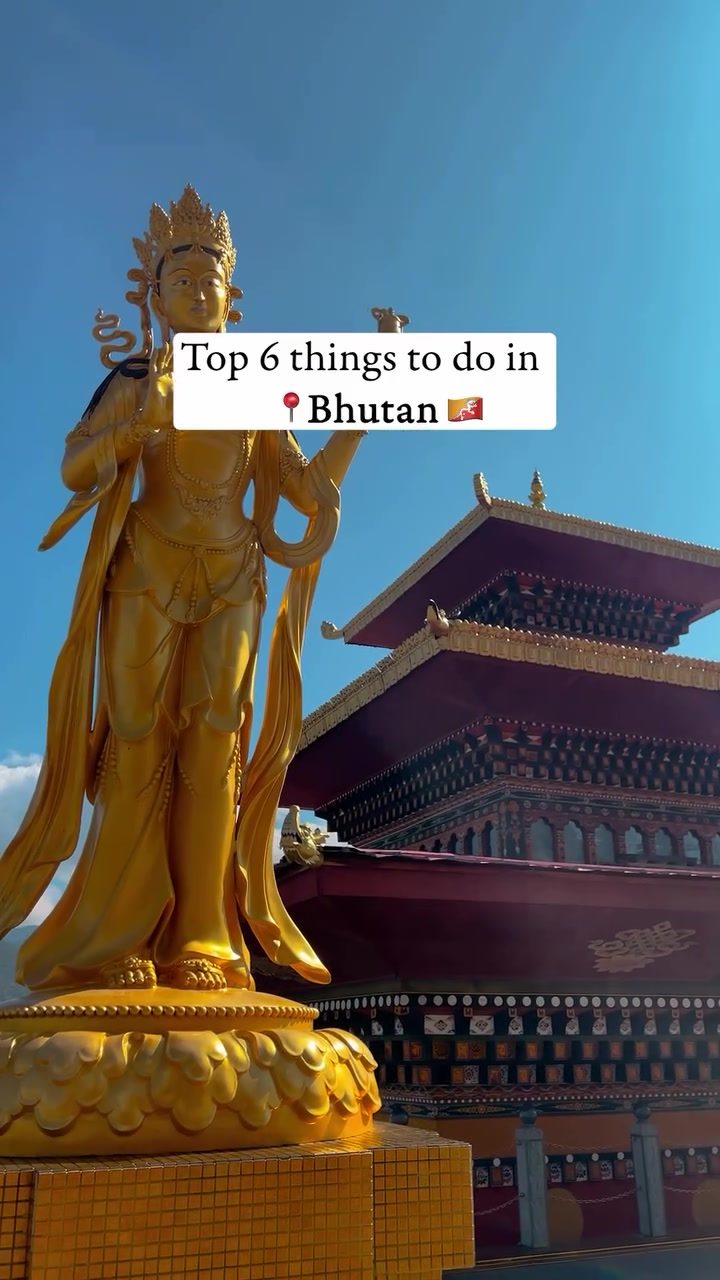
Exploring Bhutan: Top Experiences in the Last Great Himalayan Kingdom
Bhutan, often referred to as the last great Himalayan kingdom, is a land of breathtaking landscapes, rich cultural heritage, and spiritual depth. From the iconic Tiger’s Nest Monastery to the serene Haa Valley, Bhutan offers a myriad of experiences that cater to adventure seekers, culture enthusiasts, and those looking for inner peace. Whether you're drawn to the grandeur of ancient temples, the tranquility of meditation, or the vibrant energy of local festivals, Bhutan has something special to offer.
Why Bhutan Matters
Bhutan stands out as a unique travel destination due to its commitment to preserving its natural environment and cultural heritage. The country’s philosophy of Gross National Happiness prioritizes the well-being of its citizens over economic growth, resulting in a society that values sustainability, spirituality, and community. This approach has not only maintained Bhutan’s pristine landscapes but has also fostered a deep sense of cultural identity and spiritual practice. Travelers to Bhutan often find themselves immersed in a world that values harmony, mindfulness, and connection to nature.
Top Experiences in Bhutan
Hiking the Tiger's Nest Monastery
One of the most iconic experiences in Bhutan is hiking to the Tiger’s Nest Monastery, also known as Taktsang Monastery. Perched on a cliffside, this monastery offers a thrilling adventure combined with spiritual significance. The hike is moderately challenging, taking about two to three hours to reach the top, but the breathtaking views and the serene atmosphere of the monastery make it well worth the effort. The monastery is deeply revered in Bhutanese Buddhism, and many pilgrims and visitors alike find a sense of inner peace and connection to the divine during their visit.
Meditating with Monks
For those seeking spiritual enlightenment, meditating with monks in Bhutan is an unparalleled experience. The country is home to numerous monasteries and temples where visitors can participate in meditation sessions. This practice offers a unique opportunity to learn about Buddhist traditions, connect with local monks, and find inner calm. Whether you’re a seasoned meditator or a beginner, the tranquil atmosphere of Bhutan’s monasteries provides the perfect setting for spiritual growth and reflection.
Witnessing Tshechu Festivals
Bhutan’s vibrant Tshechu festivals are a cultural extravaganza not to be missed. These festivals are celebrated with colorful masked dances, traditional music, and religious ceremonies. The dances, performed by monks and laypeople, depict stories from Bhutanese mythology and Buddhist teachings. The festivals are a joyous celebration of Bhutan’s rich cultural heritage and offer a glimpse into the daily life and traditions of the Bhutanese people. Attending a Tshechu festival is an immersive experience that brings visitors closer to the heart of Bhutanese culture.
Relaxing in Hot Stone Baths
After a day of adventure or cultural exploration, unwinding in a rejuvenating hot stone bath is the perfect way to relax. This traditional Bhutanese practice involves soaking in hot water infused with herbs and minerals, which are believed to have therapeutic properties. The experience is not only physically relaxing but also spiritually rejuvenating, offering a moment of peace and tranquility amidst the hustle and bustle of travel.
Exploring Haa Valley
For nature lovers, Haa Valley is a must-visit destination. This pristine valley is known for its traditional villages, lush landscapes, and serene environment. Haa Valley offers a blend of cultural and natural experiences, with opportunities to visit local villages, explore the valley’s rich flora and fauna, and engage with the local community. The valley’s untouched beauty and the warmth of its people make it a unique and unforgettable part of any Bhutan trip.
Visiting the Buddha Dordenma Statue
The massive Buddha Dordenma statue is a symbol of enlightenment and a significant landmark in Bhutan. Standing at an impressive height, the statue is a testament to the country’s commitment to Buddhism and its spiritual heritage. The statue’s location in a serene and picturesque setting adds to its allure, making it a popular destination for both tourists and pilgrims. The peaceful atmosphere and the grandeur of the statue create a deeply spiritual experience, offering visitors a moment of contemplation and reflection.
Visit the Massive Buddha Dordenma Statue
Visiting the Buddha Dordenma statue is a profound and awe-inspiring experience. This impressive statue is one of the largest Buddha statues in the world, standing tall and serene amidst the sprawling landscape. The statue, with its 125,000 smaller Buddha statues inside, is a symbol of peace, prosperity, and enlightenment. The site is not only a place of worship but also a serene spot for meditation and reflection, offering visitors a moment of tranquility and spiritual connection.
Practical Tips for Your Bhutan Adventure
Best Time to Visit
The best time to visit Bhutan is during the spring (March to May) and autumn (September to November) seasons. During these months, the weather is mild, and the landscapes are at their most vibrant. Spring offers blooming flowers and lush greenery, while autumn brings clear skies and cool temperatures, perfect for hiking and sightseeing.
Getting Around
Bhutan’s infrastructure for transportation is relatively limited, so planning your travel in advance is essential. The most common modes of transport are taxis and shared jeeps, which can be booked through travel agencies or directly with local drivers. For short distances, walking is a great way to explore, especially in rural areas where the roads may be challenging.
Accommodation
Accommodation in Bhutan ranges from luxury hotels to traditional guesthouses. Luxury hotels offer modern amenities and are ideal for those seeking comfort and convenience. Traditional guesthouses, on the other hand, provide a more authentic experience, allowing visitors to immerse themselves in the local culture and hospitality. Regardless of your choice, it’s advisable to book your accommodation well in advance, especially during peak travel seasons.
Budgeting
Traveling in Bhutan requires careful budgeting, as the country has a daily minimum package fee that covers accommodation, meals, transportation, and a guide. The fee varies depending on the season and the size of your group. It’s essential to plan your budget accordingly and consider additional expenses, such as souvenirs, entry fees, and personal expenses.
Cultural Etiquette
Bhutanese culture is deeply rooted in tradition and respect for local customs. To make the most of your visit, it’s important to follow cultural etiquette. Always dress modestly, especially when visiting religious sites, and remember to remove your shoes before entering temples and homes. Respect local traditions, such as taking photos only with permission, and maintain a polite and respectful demeanor.
Important Takeaways
Bhutan is a hidden gem in the Himalayas, offering a unique blend of spiritual depth, cultural richness, and natural beauty. From the thrilling hike to the Tiger’s Nest Monastery to the serene experience of meditating with monks, each activity provides a glimpse into the heart of Bhutanese life. The vibrant Tshechu festivals, therapeutic hot stone baths, and the stunning Haa Valley offer a diverse range of experiences that cater to every traveler’s interest. The massive Buddha Dordenma statue stands as a symbol of enlightenment, inviting visitors to reflect and find inner peace.
Conclusion
Bhutan is a destination that transcends the ordinary travel experience. It offers a journey into the soul of a nation that values happiness, spirituality, and harmony. Whether you’re seeking adventure, cultural immersion, or spiritual growth, Bhutan provides a rich tapestry of experiences that will leave you with unforgettable memories.
Watch the Reel
Questions readers ask
What are the most iconic temples to visit in Bhutan?
Bhutan is home to many stunning temples, but Tiger’s Nest Monastery, or Taktshang, is the most iconic. Perched on a cliff, it offers a challenging hike with breathtaking views. Other notable temples include Kyichu Lhakhang and Punakha Dzong, each with its own unique history and architectural beauty.
How can I experience Bhutan’s unique festivals?
Bhutan's festivals, known as tsechus, are vibrant celebrations filled with traditional dances and colorful costumes. The most famous is the Paro Tsechu, held in early spring. Check local schedules, as timings vary, and plan your visit around these festivals to immerse yourself in Bhutan’s rich cultural heritage.
What are the best ways to experience Bhutan's natural beauty?
Bhutan's natural beauty is diverse and stunning, with landscapes ranging from snow-capped mountains to lush valleys. Adventure seekers can explore through hiking trails, such as the Snowman Trek, while nature lovers can enjoy visits to national parks like Jigme Dorji National Park and Phobjikha Valley.
How can I learn about Bhutan’s rich cultural heritage?
Bhutan offers numerous opportunities to learn about its cultural heritage, including visits to ancient temples and dzongs (fortresses). Engaging with local communities through homestays and workshops, as well as attending local festivals, can provide deep insights into Bhutan’s traditions and way of life..
Can I participate in meditation sessions with local monks in Bhutan?
Yes, Bhutan is an ideal place for spiritual seekers. Many monasteries and temples offer meditation sessions with local monks. The Zangdok Palri Institute in Thimphu and the Young Heritage School in Paro are notable places where you can participate in guided meditation, providing a unique opportunity to connect with Bhutan’s Buddhist heritage.
Related deep dives
Similar reads based on topic and creator.


Recent articles
Fresh deep dives from the latest Reels we unpacked.




Comments
Be the first to comment.