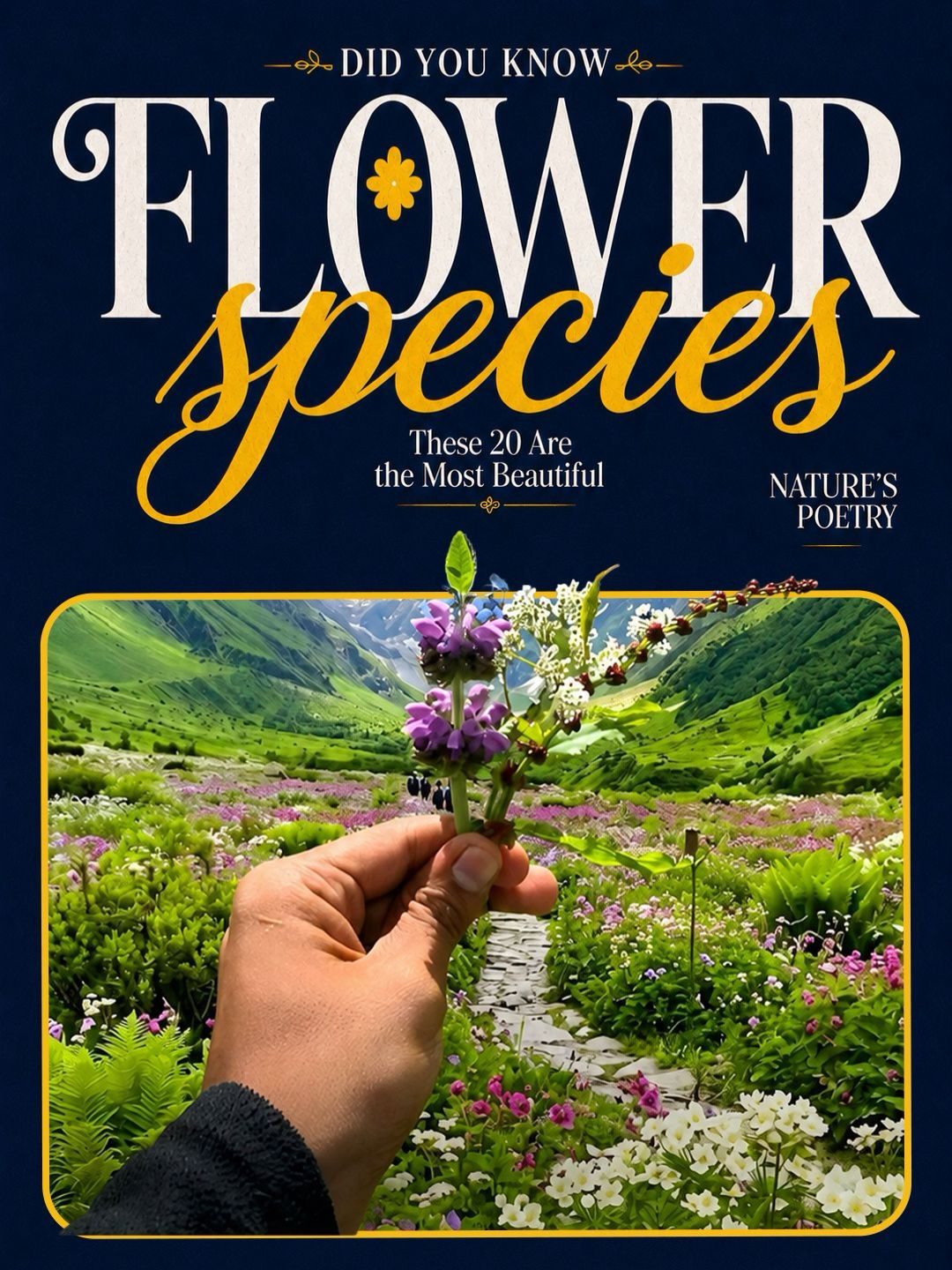
The Most Beautiful Flower Species: Nature's Poetry
Flowers are nature's most enchanting creations, each with unique beauty and characteristics. Nature's Poetry, known for their floral collections, highlights 20 of the most beautiful flower species with vivid imagery and captivating descriptions.
Why This Matters
Flowers are more than just visual delights; they tell stories about their habitats and the ecosystems they inhabit. Understanding these flowers gives us a deeper appreciation for the natural world and its diverse beauty. This exploration of 20 spectacular flower species reveals the intricate beauty and variety of flowers in nature.
Main Discussion
Primula: A Valley of Color
Primula is celebrated for its vibrant hue. Imagine bright pink and purple flowers carpeting a valley. This sight is a testament to nature's ability to transform landscapes into living canvases. Primula species thrive in cool, moist environments, often found in alpine meadows and damp woodlands. The vibrant colors of Primula not only add to the beauty of the landscape but also attract pollinators, playing a crucial role in the ecosystem.
Himalayan Knotweed: Dense Beauty
Himalayan Knotweed is another stunning addition to the list. Dense clusters of attractive pink flowers make this plant a standout in its natural habitat. This species often grows in rocky terrains and along streams, adding a touch of elegance to otherwise rugged landscapes. The dense clusters of flowers are not just visually appealing but also serve as a source of nectar for various insects, contributing to biodiversity.
Buttercup: Sunshine on Earth
Buttercup is a symbol of bright yellow flowers shining across the valley floor. This plant's cheerful yellow blooms are a delight to the eyes and a vital part of many ecosystems. Buttercups are resilient and can thrive in a variety of environments, from meadows to marshes. Their vibrant color is a beacon of joy, especially during the spring and summer months. The beauty and hardiness of Buttercups make them a favorite among nature enthusiasts.
Daisy: Classic Simplicity
The Daisy is a classic flower with its cheerful white petals and vibrant yellow centers. This flower is often associated with innocence and purity. Daisies are versatile and can be found in various habitats, from grasslands to rocky areas. Their simplicity and charm make them a staple in many gardens and natural landscapes. The Daisy's ability to thrive in different conditions adds to its appeal, making it a beloved flower worldwide.
Geranium: Alpine Elegance
Geranium is known for its vibrant purple flowers that spread across alpine grasslands. This plant's vibrant color and delicate petals make it a standout in its natural habitat. Geraniums are hardy and can thrive in challenging environments, adding a touch of elegance to alpine meadows. The beauty and resilience of Geraniums make them a favorite among gardeners and nature lovers alike.
Anemone: Summer Blooms
Anemone blooms during summer. Beautiful white, pink, and purple blossoms add to the beauty of the landscape. This flower is a favorite among gardeners and nature enthusiasts due to its delicate petals and vibrant colors. Anemones thrive in cool, moist environments and can be found in woodlands and meadows. The beauty and variety of Anemones make them a delight to behold during the summer months.
Practical Tips
To fully appreciate the beauty of these flowers, consider the following tips:
Observing in Nature
Take a walk in a local park or nature reserve. Observe the flowers in their natural habitats. Pay attention to their colors, shapes, and how they interact with their surroundings. This direct experience will enhance your understanding and appreciation of these natural wonders.
Gardening Tips
If you're a gardener, consider incorporating these flowers into your garden. Each flower has specific needs, so research their preferred soil types, water requirements, and sunlight needs. For example, Buttercups thrive in moist, well-drained soil, while Daisies prefer full sun and well-drained soil.
Photography Tips
Capture the beauty of these flowers with photography. Use a macro lens to zoom in on the intricate details of the petals and colors. Experiment with different angles and lighting to create stunning images that showcase the flowers' unique beauty.
Important Takeaways
Understanding the beauty and diversity of these 20 flower species offers a deeper appreciation for nature's artistry. Each flower has unique characteristics and roles in their ecosystems, making them essential to the natural world. From the vibrant colors of Primula to the classic simplicity of the Daisy, these flowers tell stories of resilience, beauty, and ecological importance.
Conclusion
Exploring these 20 beautiful flower species from Nature's Poetry collection is a journey through nature's diverse and enchanting world. From the vibrant colors of Primula to the delicate petals of Daisy, each flower is a testament to the beauty and importance of natural diversity. By understanding and appreciating these flowers, we gain a deeper connection to the natural world and its wonders.
Watch the Reel
Questions readers ask
What makes the Primula flower species stand out in a valley setting?
Primula flowers are known for their vibrant pink and purple hues, which create a stunning visual display when they carpet valley landscapes. Their unique coloration and ability to thrive in cool, moist environments make them a standout species in nature's poetry guide.
Why is Himalayan Knotweed significant in rocky terrain environments?
Himalayan Knotweed is notable for its resilience and ability to thrive in rocky terrains. This species plays a crucial role in stabilizing soil and preventing erosion, making it an important part of its local ecosystem.
What are some of the bright yellow flowers featured in the top 20 flower species guide?
While the article highlights 20 remarkable flower species, specific names of bright yellow flowers are not mentioned. However, flowers like the Black-Eyed Susan and Coreopsis are commonly known for their bright yellow blooms and are often featured in such guides.
How do flowers contribute to the beauty and significance of their ecosystems?
Flowers contribute to the beauty of their ecosystems by adding vibrant colors and attracting pollinators. Their ecological significance lies in their roles, such as providing food for insects and birds, and aiding in plant reproduction and seed dispersal.
What unique characteristics do Primulas offer in terms of visual appeal and ecology?
Primulas are known for their striking colors and intricate details, making them a favorite for close-up photography and visual enjoyment. Ecologically, they thrive in cool, moist environments, adding to the biodiversity of their habitats.
What is the main focus of the 'Nature's Poetry' guide in the article?
The 'Nature's Poetry' guide focuses on showcasing 20 of the most beautiful flower species, providing vivid imagery and captivating descriptions. The guide highlights the unique beauty and ecological significance of each species, making it a comprehensive resource for flower enthusiasts and nature lovers.
Can Himalayan Knotweed be cultivated in home gardens, and if so, what conditions does it require?
Himalayan Knotweed can be cultivated in home gardens, but it requires specific conditions to thrive. It prefers rocky or well-drained soil and full sun to partial shade. Gardeners should also be aware of its invasive potential and manage it accordingly.
Related deep dives
Similar reads based on topic and creator.


Recent articles
Fresh deep dives from the latest Reels we unpacked.



Comments
Be the first to comment.