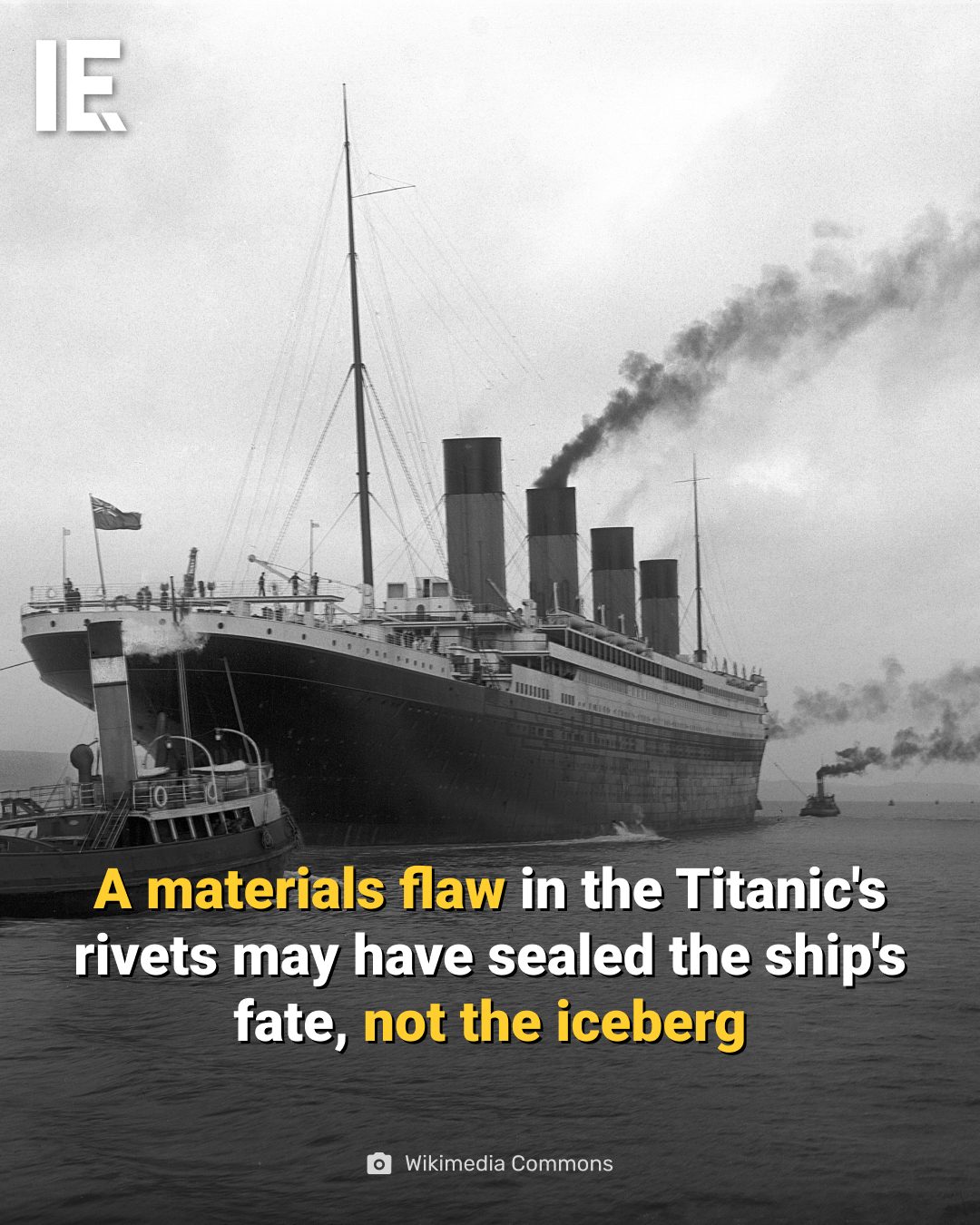
The Titanic: A Reassessment of the Ship's Fate
The RMS Titanic, which struck an iceberg and sank in the North Atlantic on April 15, 1912, is one of the most infamous maritime disasters in history. More than 1,500 people lost their lives that night, making it one of the deadliest peacetime maritime disasters. While the iceberg remains the most commonly cited cause of the Titanic's sinking, recent research has shed new light on the potential factors that may have contributed to the catastrophe. The focus is on the materials used in the ship's construction, particularly the rivets that held the hull together.
Why This Matters
The Titanic's sinking has long been a subject of intrigue and speculation. Understanding the true cause of the disaster is not just about satisfying historical curiosity—it's about learning from the past to build safer structures in the future. The ongoing debate over the Titanic's materials highlights the importance of rigorous quality control in engineering and construction. By reevaluating the Titanic's design and construction, we can gain insights into modern engineering practices and the importance of materials science in preventing similar disasters.
The Traditional Narrative
The conventional narrative is straightforward: the Titanic struck an iceberg in the North Atlantic and sank. The iceberg caused a series of ruptures in the hull, leading to rapid flooding and ultimately the ship's demise. This story, while captivating, overlooks the potential flaws in the ship's construction that may have exacerbated the disaster.
The Role of Rivets
Recent research led by metallurgist Tim Foecke at the National Institute of Standards and Technology (NIST) has proposed a different perspective. Foecke's analysis of rivet samples recovered from the wreck suggests that the iron rivets used in the hull's bow section contained unusually high levels of slag. Slag is a glassy byproduct that makes metal brittle, especially in near-freezing water. This flaw may have caused the rivets to fracture and pop rather than bend, leading to the separation of hull plates and rapid flooding.
The Composition of the Rivets
The rivets in the bow section were made of iron, which, when containing high levels of slag, becomes brittle. This brittleness is particularly pronounced in cold water. When the Titanic struck the iceberg, the force of the collision would have easily shattered these rivets, causing the hull to split open. In contrast, the steel rivets used in the central section of the hull showed no such weakness, suggesting that the bow section was particularly vulnerable.
The Impact of Cold Water
The near-freezing water of the North Atlantic exacerbated the problem. The brittle iron rivets were more likely to fracture in these temperatures, making the ship's bow section especially susceptible to the forces of an iceberg collision. This brittleness reduced the hull's ability to withstand the impact, contributing to the rapid flooding and eventual sinking of the ship.
The Belfast Connection
The rivets were manufactured in a Belfast shipyard, and the quality of these materials has been a subject of debate. Given the importance of the ship's construction, it's possible that there were flaws in the shipyard's quality control processes. The varying quality of the rivets points to potential issues in the manufacturing process, which could have significant implications for modern construction practices.
Other Factors
While the rivets are a crucial factor, it's essential to consider other potential contributors to the Titanic's sinking. The ship's speed, for instance, was a critical factor. Despite warnings about icebergs, the Titanic was traveling at near-full speed. This high speed increased the force of the collision, making the impact more devastating.
Additionally, the design of the ship, including the watertight compartments and the arrangement of the ship's decks, played a role. While the ship was designed to stay afloat with several compartments flooded, the extent of the damage and the rapid flooding may have overwhelmed these safety features.
Practical Tips for Modern Engineering
The lessons from the Titanic are relevant to modern engineering and construction. Quality control and rigorous testing of materials are critical. Engineers must ensure that all components, especially those critical to a structure's integrity, are of the highest quality. Regular inspections and upgrades are essential to maintaining the safety and reliability of modern ships and other structures.
In addition, the Titanic's story emphasizes the importance of safety measures. Engineers must account for potential hazards and ensure that safety protocols are in place. This includes monitoring environmental conditions and making adjustments to the operation of the ship or other structures as necessary.
Important Takeaways
The Titanic's sinking offers valuable insights into the importance of materials science and quality control in engineering. The high levels of slag found in the iron rivets likely made the hull more susceptible to damage in cold water, contributing to the rapid flooding and eventual sinking of the ship. While the iceberg remains a critical factor, the materials used in the Titanic's construction played a significant role in the disaster. By learning from these insights, modern engineering practices can focus on building safer, more reliable structures.
Conclusion
The RMS Titanic was one of the most significant maritime disasters in history, and its legacy continues to influence modern engineering practices. By reevaluating the materials used in the ship's construction and the potential flaws in its design, we can gain a deeper understanding of the factors that contributed to the disaster.
The focus on the rivets underscores the importance of rigorous quality control and materials science in construction. While the iceberg remains the most well-known cause of the Titanic's sinking, the flaws in the ship's materials and design should not be overlooked. By learning from the past, engineers can ensure that future structures are safer and more reliable, and that disasters like the Titanic's sinking can be prevented.
Watch the Reel
Questions readers ask
What role did the rivets play in the construction of the Titanic?
Rivets were crucial in holding together the hull of the Titanic. They were used to fasten the steel plates that formed the ship's structure, ensuring its integrity and strength during voyages. Recent studies have examined the quality and potential flaws in these rivets to understand their role in the disaster.
How did flaws in the rivets potentially contribute to the sinking of the Titanic?
Research suggests that the rivets used in the Titanic's construction may have been subpar or inconsistent in quality. This could have weakened the hull, making it more susceptible to damage from the iceberg collision. Poor rivet quality might have caused the ship to fracture more easily upon impact, leading to rapid flooding and sinking.
Were all the rivets on the Titanic of the same quality?
Not all rivets on the Titanic were of the same quality. Some rivets were made of wrought iron, which is softer and more prone to failure under stress, while others were made of steel. The variability in rivet quality could have created weak points in the hull, contributing to the catastrophic failure during the collision with the iceberg.
What specific issues have been identified with the Titanic's rivets?
Studies have shown that some of the Titanic's rivets were brittle and prone to cracking. Additionally, inconsistencies in the riveting process, such as uneven heating during installation, could have compromised the rivets' strength. These issues might have exacerbated the damage caused by the iceberg.
Could the use of modern materials have prevented the Titanic's sinking?
While it's impossible to say for certain, modern materials and construction techniques could have improved the Titanic's ability to withstand a collision. Today's ships benefit from advanced metallurgy and stricter quality control, which might have mitigated the risks posed by the iceberg. However, the Titanic's design and materials were state-of-the-art for its time.
How does the iceberg collision factor into the rivet flaw theory?
The iceberg collision created a series of ruptures in the Titanic's hull. If the rivets were flawed, these ruptures might have propagated more quickly and extensively, leading to rapid flooding. The iceberg collision was the immediate cause, but flaws in the rivets could have exacerbated the damage, causing the ship to sink more rapidly than it might have with stronger hull construction.
What can we learn from the Titanic's rivet flaws about ship construction today?
The discovery of rivet flaws in the Titanic underscores the importance of rigorous material testing and quality control in modern shipbuilding. It serves as a reminder that even small weaknesses in construction materials can have catastrophic consequences, especially under extreme conditions. Today's shipbuilders prioritize high-quality materials and meticulous construction techniques to enhance vessel safety.
Related deep dives
Similar reads based on topic and creator.




Recent articles
Fresh deep dives from the latest Reels we unpacked.




Comments
Be the first to comment.