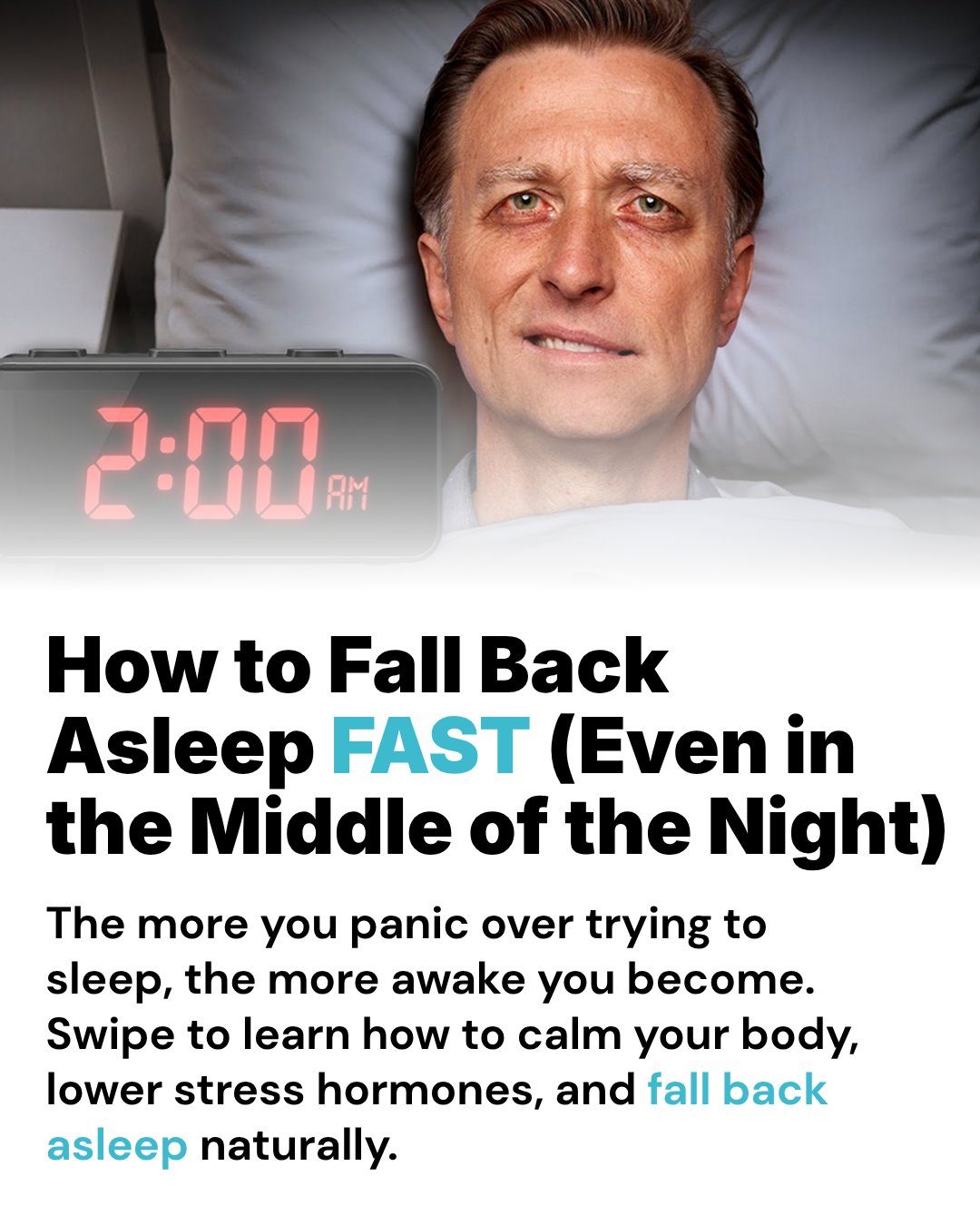
Falling Asleep Faster
Sleepless nights can be frustrating and exhausting. Whether due to stress, environmental factors, or inconsistent sleep patterns, finding ways to fall asleep faster and stay asleep longer can significantly improve your overall well-being. Balancing your biology, reducing stress, and optimizing your surroundings are key strategies for achieving better sleep.
Why This Matters
Sleep is one of the 10 biological signals that control how you feel, but only one of these signals matters most to your body. Identifying and addressing this key signal can make a profound difference in your sleep quality. By focusing on specific areas such as salt and blood sugar balance and reducing EMF stress, you can create a more conducive environment for restful sleep.
Main Discussion
The Stress-Hormone Connection
One of the most critical factors in falling asleep quickly is managing stress. The more you panic over trying to sleep, the more awake you become. This is due to the release of cortisol, a stress hormone that can disrupt your sleep patterns. Balancing your sodium and blood sugar levels can help regulate cortisol production.
Balancing Salt and Blood Sugar
Low sodium or unstable blood sugar levels can trigger cortisol release, especially around 2 a.m. This can lead to a cycle of sleeplessness and stress. To counteract this, consider adding a pinch of sea salt to your dinner or a glass of water before bed. This small adjustment can help stabilize your blood sugar levels and reduce cortisol production, promoting a more restful night's sleep. Eating an early dinner with a focus on protein, vegetables, and healthy snacks can also contribute to better sleep by maintaining balanced blood sugar levels. It's equally important to avoid snacks, refined carbs, and sweets before bed as they can cause blood sugar spikes and disrupt your sleep.
Reducing EMF Stress
Electromagnetic fields (EMFs) generated by electronic devices can interfere with deep sleep and cortisol rhythms. Keeping your phone 6 feet from your bed and turning off Wi-Fi overnight can significantly reduce EMF exposure. Additionally, keeping all electronics away from your pillow and ensuring that cords are off the bed can create a more peaceful sleep environment. Avoiding charging devices near your bed is also crucial.
Optimizing Your Bedroom Environment
A calm and organized bedroom environment can enhance sleep quality. Consider the layout of your bedroom and ensure that electronics are positioned away from your bed. This includes keeping charging devices away from your pillow and minimizing the presence of cords on or near your bed. These small adjustments can lead to a more restful sleep.
Focusing on One Key Signal
Sleep is influenced by multiple biological signals, but only one of these signals matters most to your body. Identifying and focusing on this key signal can lead to better sleep and overall health. Fixing one thing at a time can make a significant difference. Whether it's balancing your blood sugar, reducing EMF stress, or optimizing your bedroom environment, focusing on one key factor and addressing it can lead to improved sleep quality. This approach helps avoid overwhelm and ensures that you are making progress in a manageable way.
Practical Tips
-
Balance Blood Sugar Levels: Add a pinch of sea salt to your dinner or a glass of water before bed to stabilize blood sugar levels and reduce cortisol production.
-
Eat Early and Healthily: Focus on consuming protein, vegetables, and healthy snacks for dinner. Avoid snacks, refined carbs, and sweets before bed to prevent blood sugar spikes.
-
Optimize Your Bedroom Environment: Keep your phone 6 feet from your bed, turn off Wi-Fi overnight, and ensure that electronics, cords, and charging devices are away from your pillow and bed.
-
Identify Your Key Sleep Signal: Determine the one biological signal that matters most to your body and focus on addressing it. Whether it's balancing blood sugar, reducing EMF stress, or optimizing your sleep environment, focusing on one key factor can lead to better sleep.
Important Takeaways
Sleep is a finely tuned process influenced by multiple factors. By focusing on key areas such as balancing salt and blood sugar levels, reducing EMF stress, and optimizing your sleep environment, you can significantly improve your sleep quality. Remember, falling asleep faster and staying asleep longer is about creating a conducive environment for rest and addressing the key biological signals that impact your sleep. Address one thing at a time, and you'll see a significant improvement in your sleep patterns.
Conclusion
Achieving better sleep involves a combination of balancing your biology, reducing stress, and optimizing your environment. By addressing specific areas such as salt and blood sugar balance, reducing EMF stress, and focusing on one key biological signal, you can create a more restful sleep experience. These strategies can help you fall asleep faster and stay asleep longer, leading to improved overall well-being.
Watch the Reel
Questions readers ask
How can I fall asleep faster by balancing my biology?
Balancing your biology for better sleep involves regulating key aspects such as salt and blood sugar levels, and minimizing EMF stress. Consuming a balanced diet, staying hydrated, and avoiding electronic devices before bed can help achieve this. Additionally, maintaining a consistent sleep schedule can train your body to fall asleep and wake up at the same times every day, enhancing your overall sleep quality.
What role does stress play in my ability to fall asleep and stay asleep?
Stress is a significant factor that can disrupt your sleep patterns. High stress levels can lead to racing thoughts, making it difficult to fall asleep. Additionally, stress can cause frequent awakenings throughout the night, preventing you from staying asleep longer. Implementing stress-reduction techniques such as deep breathing, meditation, or gentle yoga before bed can help mitigate these effects, allowing for a more restful night.
How can optimizing my sleep environment help me fall asleep faster and stay asleep longer?
Creating an optimal sleep environment involves making your bedroom a comfortable and relaxing space. This includes keeping the room cool, dark, and quiet. Investing in a supportive mattress and pillows, using blackout curtains, and minimizing noise can greatly improve your ability to fall asleep faster and stay asleep. Additionally, consider using a white noise machine to block out any disruptive sounds.
What are some best practices for reducing stress to improve sleep?
To reduce stress and improve sleep, try incorporating relaxation techniques into your bedtime routine. This can include activities such as reading a book, taking a warm bath, or practicing progressive muscle relaxation. It's also beneficial to avoid caffeine and heavy meals close to bedtime, as these can disrupt your sleep. Establishing a consistent sleep schedule can also help signal to your body that it's time to rest, reducing stress and promoting better sleep.
What should I do if I wake up in the middle of the night and can't fall back asleep?
If you wake up during the night and struggle to fall back asleep, try getting out of bed and engaging in a calming activity, such as reading or gentle stretching, until you feel sleepy. Avoid checking the time or using electronic devices, as the light emitted can interfere with your body's production of melatonin, a hormone that regulates sleep. Return to bed only when you feel drowsy, and maintain a consistent sleep schedule to help train your body to stay asleep throughout the night.
How does maintaining a consistent sleep schedule help me fall asleep faster and stay asleep longer?
Maintaining a consistent sleep schedule helps regulate your body's internal clock, making it easier to fall asleep and stay asleep. By going to bed and waking up at the same times every day, you train your body to recognize these patterns and prepare for sleep accordingly. This consistency can enhance your sleep quality, reduce daytime fatigue, and improve your overall well-being.
Related deep dives
Similar reads based on topic and creator.




Recent articles
Fresh deep dives from the latest Reels we unpacked.




Comments
Be the first to comment.