The Debate Around Tipping: A Contentious Practice
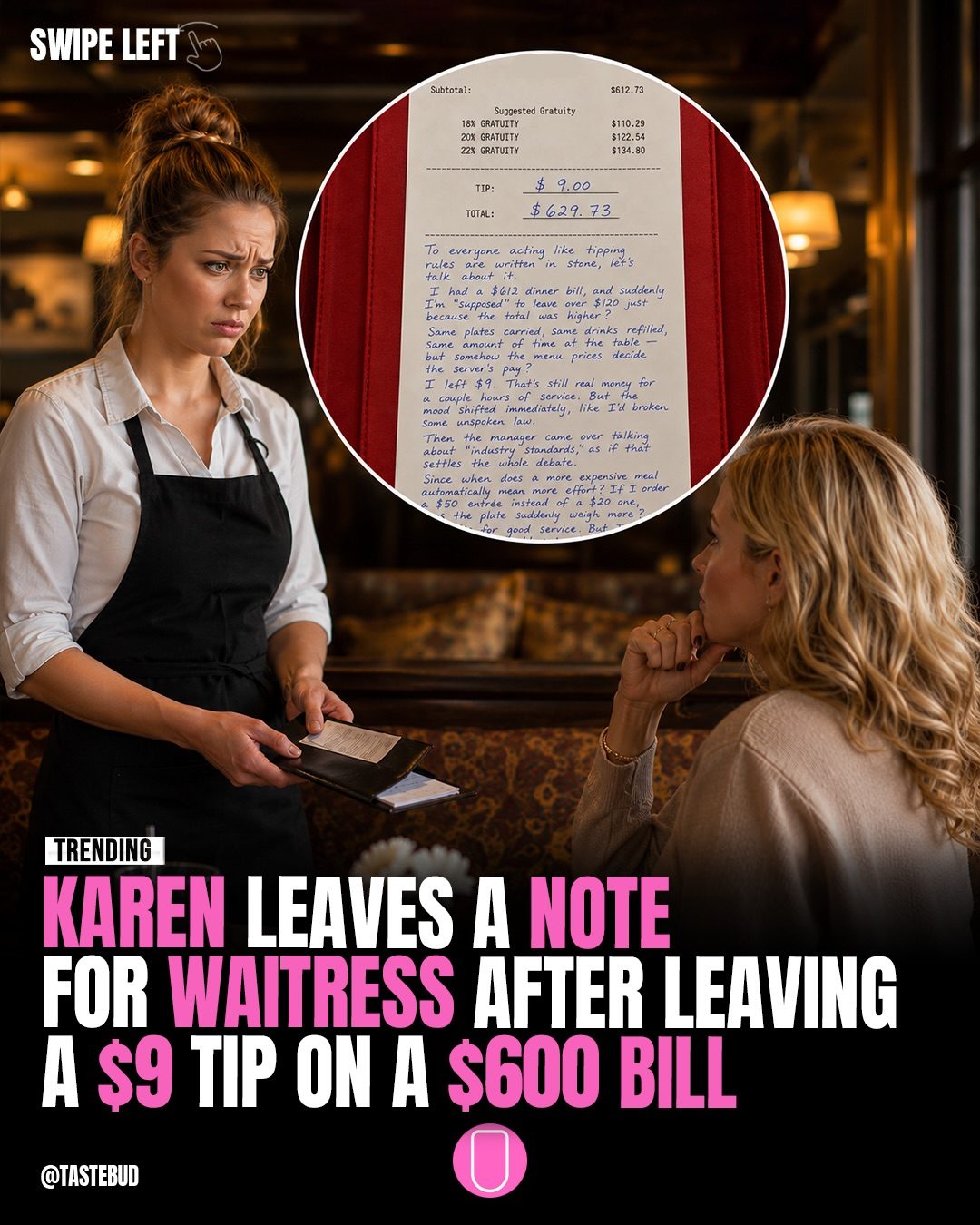
Tipping is a ubiquitous yet contentious practice in many dining establishments. Recent debates have reignited conversations about whether tipping is becoming too expected. The issue has sparked lively discussions, particularly after a viral story involving a customer who tipped $100 on a $600 bill but questioned the expectations surrounding tipping.
Context / Why this matters
Understanding the nuances of tipping can significantly impact both customers and service industry workers. Tipping practices can vary widely, with some arguing that a standard 15-20% gratuity is expected and fair, while others question the necessity and fairness of such expectations. This ongoing debate underscores the broader implications of tipping on customer service, employee wages, and overall dining experiences.
The Viral Story: A Retrospective
The Incident
The viral story began when a customer left a $9 tip on a $600 bill. This incident sparked a debate about tipping practices and the expectations tied to them. The customer's argument highlighted that the level of service typically remains consistent, regardless of the bill's total amount. She suggested that the service effort does not increase proportionally with the bill, thus questioning the necessity of higher tipping percentages for larger bills.
The Reaction
The situation escalated after a discussion with management about tipping standards. The customer argued that industry standards should be re-evaluated, especially in light of the changing dynamics of the service industry. This incident reignited conversations about whether tipping is becoming too expected and whether it is fair to service workers.
Why the Debate Matters
The debate around tipping has broader implications for the service industry and customer expectations. Understanding the underlying issues can help both customers and service workers navigate the complexities of tipping culture.
Quality of Service
The primary argument in favor of tipping is that it incentivizes good service. However, the viral story raises the question of whether the quality of service genuinely improves with higher tips. Some argue that tipping should be based on the quality of service rather than the total bill amount. This perspective suggests that customers should have the flexibility to tip according to their satisfaction rather than adhering to fixed percentages.
Employee Wages
The debate also touches on the issue of employee wages. In many jurisdictions, service industry workers rely heavily on tips to supplement their wages. Critics argue that relying on tips can lead to inconsistent income and financial instability for workers. This has led to calls for a more stable wage structure, potentially reducing the reliance on tipping.
Customer Expectations
The expectations surrounding tipping can vary widely. While some customers believe in tipping as a standard practice, others view it as optional or unfair. The debate around tipping highlights the need for clearer guidelines and expectations to ensure fair treatment for both customers and service workers.
Practical Tips
For customers navigating the complexities of tipping, here are some practical tips to consider:
Assess the Service
Base your tip on the quality of service you receive. If the service was exceptional, consider tipping more generously. If the service was lackluster, it is reasonable to tip less or not at all.
Understand Local Customs
Tipping customs can vary significantly by region and country. Be mindful of local practices to avoid misunderstandings or unintentional offense.
Consider the Total Experience
Look beyond the service quality and consider the overall dining experience. Factors such as ambiance, food quality, and customer service can all influence your decision on tipping.
Important Takeaways
Reevaluate Industry Standards
The debate around tipping suggests a need to reevaluate industry standards. This could involve setting guidelines that ensure fair treatment for both customers and service workers.
Promote Financial Stability
There is a growing call for a more stable wage structure in the service industry. This can help reduce the reliance on tips and ensure more consistent income for workers.
Foster Transparent Communication
Clear communication between customers and service providers can help manage expectations and ensure a fair tipping practice. Encourage open discussions and feedback to promote transparency.
Conclusion
The debate around tipping is far from settled, and the viral story involving a $9 tip on a $600 bill highlights the complexities of this contentious issue. Whether tipping is seen as a necessary component of the service industry or as an outdated and unfair practice, the discussion underscores the need for clearer guidelines and expectations. By fostering open communication and understanding, both customers and service workers can navigate the complexities of tipping and ensure a fair and satisfying dining experience.
Watch the Reel
Questions readers ask
Is a 20% tip always mandatory for good service?
A 20% tip is often suggested as a standard for good service, but there is no universal rule. Some patrons and industry professionals argue that tips should be based on the quality of service and the customer's satisfaction. Others believe that servers should be fairly compensated regardless of tipping.
How do tipping norms vary across different dining experiences?
Tipping norms can vary greatly depending on the type of dining experience. For instance, fine dining establishments may have a higher expected tipping percentage, while casual eateries might have lower or more flexible tipping standards. Additionally, some restaurants may include gratuity in the bill, especially for larger groups.
What factors should be considered when deciding how much to tip?
When deciding on a tip amount, consider the quality of service, the cost of the meal, and the overall dining experience. Some argue that it is also important to consider the server's wages and the local cost of living. Additionally, the state's tipping laws and cultural norms can impact how much you choose to tip.
Does tipping impact the wages of service industry workers?
Yes, tipping significantly impacts the wages of service industry workers. In many places, servers rely heavily on tips to supplement their base wages, which can be quite low. This is a major point of contention in the tipping debate, as some argue that fair wages should be provided regardless of tips.
What are some alternatives to the traditional tipping model?
Some restaurants have begun to implement alternative models, such as a flat service charge or a service-included pricing structure. These models aim to provide a more predictable income for service workers and can potentially reduce the pressure on customers to decide on a tip amount.
How does tipping affect the dining experience for customers?
Tipping can influence the dining experience in various ways. Some customers may feel pressured to tip a certain amount, which can add stress to the meal. Others might enjoy the opportunity to reward exceptional service. The debate highlights the need for clear communication about tipping policies, ensuring a more transparent and enjoyable dining experience for all.
Related deep dives
Similar reads based on topic and creator.




Recent articles
Fresh deep dives from the latest Reels we unpacked.




Comments
Be the first to comment.