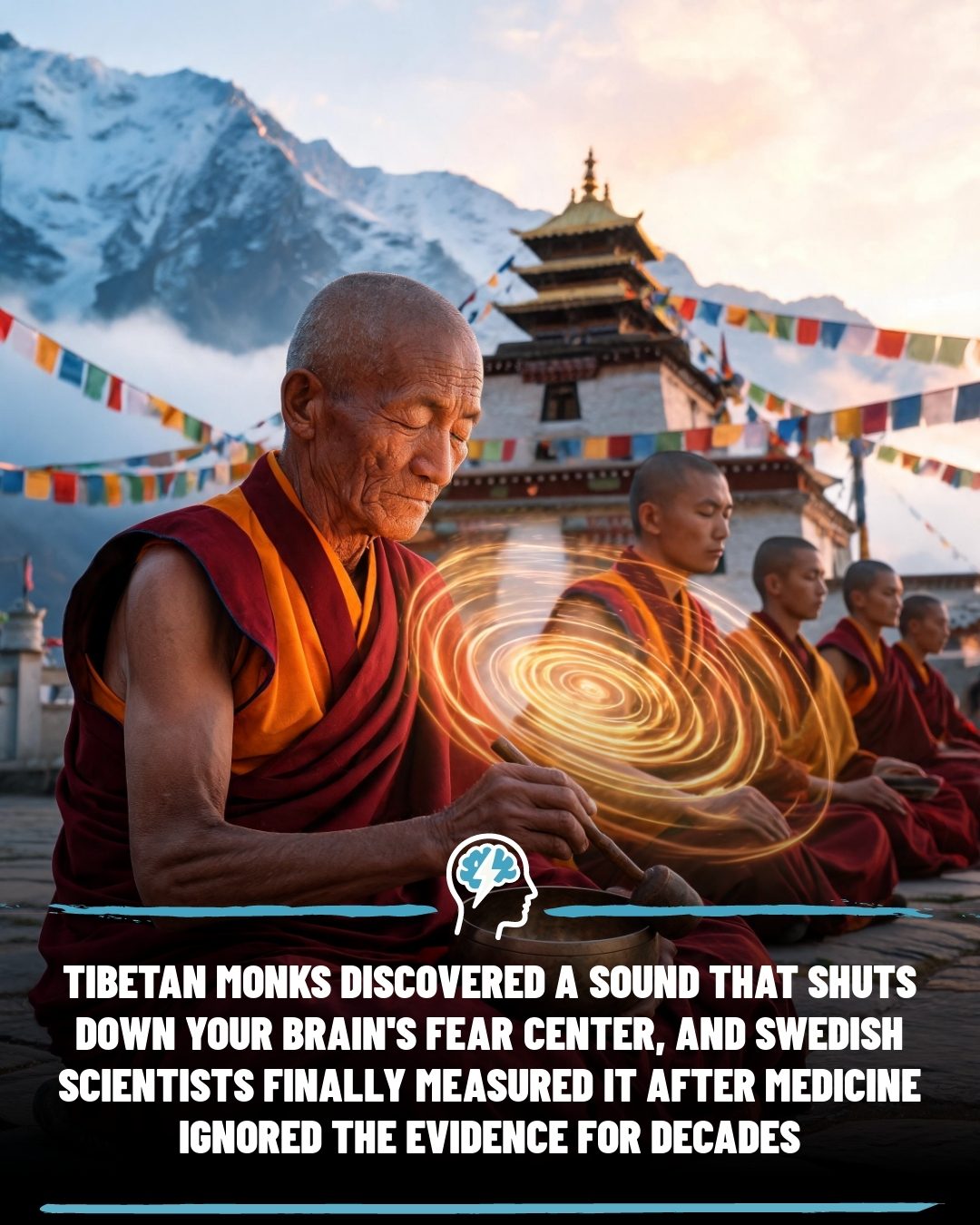
The Sound That Calms Fear
The connection between vocal techniques and mental health has been studied for centuries, but recent scientific measurements are now providing concrete insights into how these practices work. Tibetan monks, known for their deep meditative practices, have long used a simple vocal technique to manage fear. Modern science is now confirming the physical benefits of these ancient practices.
Why this Matters
Understanding how vocal sounds can affect the brain's fear response offers a non-invasive, cost-effective way to manage stress and anxiety. This knowledge can be particularly valuable for those seeking natural methods to improve mental health and overall well-being, especially during times of heightened stress.
The Science Behind the Sound
Ancient Wisdom Meets Modern Science
The amygdala, a small almond-shaped structure deep within the brain, plays a crucial role in processing emotions, including fear. It is part of the limbic system, which is responsible for the "fight or flight" response. Traditional Tibetan monks' chants and humming are designed to manipulate this brain region, thereby reducing anxiety and stress.
Swedish scientists, specifically from the Karolinska Institute, have measured the effects of these vocal techniques. Their findings reveal that specific low-frequency sounds can shut down activity in the amygdala. This discovery comes after decades of overlooking the potential of these ancient practices, highlighting the growing intersection of modern science and ancient wisdom.
The Role of Nitric Oxide
One of the key findings from the Karolinska Institute is the role of nitric oxide in these vocal techniques. Humming or rhythmic chanting raises nitric oxide production by fifteen times compared to normal breathing. Nitric oxide is a molecule that dilates blood vessels and increases oxygen flow, helping the body move from a state of stress into deep relaxation. This physiological response is immediate and measurable, providing a tangible explanation for the calming effects of these sounds.
Direct Stimulation of the Vagus Nerve
Vocal vibrations generated during humming and chanting stimulate the vagus nerve directly. The vagus nerve, often referred to as the body's own reset button, connects the brain to major organs such as the heart, lungs, and digestive system. When stimulated, it signals these organs to slow down, helping to reduce physiological arousal and promote a state of calm. This direct stimulation is a powerful tool for managing stress and anxiety without the need for pharmaceutical interventions.
The Physical Effects of Chanting
Deactivating the Emotional Center
Functional MRI scans have shown a visible drop in blood flow to the amygdala during chants like the traditional Om. This indicates that the sound isn't just a mental distraction; it is a physical intervention that keeps the brain from staying on high alert. By deactivating the emotional center of the brain, these sounds help to regulate the body's stress response, promoting a state of tranquility and relaxation.
Polyvagal Theory and the Nervous System
Polyvagal theory provides a framework for understanding how the nervous system responds to physical stimuli, such as sound vibrations. This theory posits that the vagus nerve plays a crucial role in regulating the body's response to stress. By stimulating the vagus nerve through vocal techniques, individuals can activate the body's natural relaxation response, reducing chronic anxiety and stress.
Practical Tips for Incorporating Vocal Techniques
Incorporating these ancient vocal techniques into daily life can be a simple and effective way to manage stress and anxiety. Here are some practical tips for getting started:
Start with Simple Humming
Humming is a straightforward and accessible way to experience the benefits of vocal techniques. It involves producing a low, sustained sound by vibrating the vocal cords. Start by finding a comfortable position, closing your eyes, and taking a deep breath. Then, exhale slowly while making a humming sound. Focus on the vibration in your chest and throat, and allow the sound to relax your body.
Explore Rhythmic Chanting
Rhythmic chanting, such as the traditional Om, can also be a powerful tool for managing stress. Start by finding a quiet space where you won't be disturbed. Begin by taking a few deep breaths, focusing on your breath as it moves through your body. Then, chant the sound "Om" in a slow, rhythmic pattern, allowing the sound to resonate throughout your body. As you chant, focus on the vibration in your chest and throat, and allow the sound to help you relax.
Incorporate Vocal Techniques into Your Routine
Incorporating these vocal techniques into your daily routine can help to reduce stress and anxiety over time. Try setting aside a few minutes each day to practice humming or rhythmic chanting. You can do this in the morning to start your day on a calm note, or in the evening to help you unwind and prepare for sleep.
Important Takeaways
- Ancient Wisdom Meets Modern Science: Tibetan monks have used specific vocal techniques for centuries to manage fear and stress. Modern science is now confirming the physical benefits of these practices.
- The Role of Nitric Oxide: Humming and rhythmic chanting can raise nitric oxide production, helping to dilate blood vessels and increase oxygen flow, promoting a state of relaxation.
- Direct Stimulation of the Vagus Nerve: Vocal vibrations stimulate the vagus nerve, signaling the heart and lungs to slow down and promoting a state of calm.
- Deactivating the Emotional Center: Functional MRI scans show that these sounds can deactivate the amygdala, the brain's emotional center, helping to regulate the body's stress response.
- Polyvagal Theory and the Nervous System: The vagus nerve plays a crucial role in regulating the body's response to stress. Stimulating this nerve through vocal techniques can activate the body's natural relaxation response.
Conclusion
The connection between vocal techniques and mental health is a fascinating area of study, offering a non-invasive, cost-effective way to manage stress and anxiety. By understanding the science behind these ancient practices, individuals can incorporate them into their daily routines to promote a state of calm and well-being. Whether through simple humming or rhythmic chanting, these vocal techniques offer a powerful tool for managing the body's stress response and improving overall mental health.
Watch the Reel
Questions readers ask
How do Tibetan monk chants specifically target the brain's fear center?
Tibetan monk chants are designed to produce specific sounds that can influence brain activity. These sounds, when chanted in a rhythmic and controlled manner, help to modulate activity in the amygdala, the region of the brain associated with fear and emotional responses.
What makes Tibetan chants an effective tool for stress relief?
The combination of rhythmic breathing, vocalization, and focused attention in Tibetan chanting helps to lower stress levels. By engaging both the vocal cords and the mind, these chants can induce a state of calm, reducing the physiological markers of stress and anxiety.
What have recent studies by Swedish scientists revealed about the physical effects of chanting?
Swedish scientists have found that the physical act of chanting can lead to measurable changes in brain activity and physiology. By analyzing brain scans and physiological measurements, researchers have observed how these chants can induce relaxation, lower heart rate, and reduce stress hormones.
Can anyone benefit from practicing Tibetan monk chants, or is it limited to those with prior experience?
Anyone can benefit from practicing Tibetan monk chants, regardless of prior experience. The techniques are accessible and can be learned through guided instruction. Regular practice can help individuals develop a natural method for managing stress and anxiety.
Are there specific types of Tibetan chants that are more effective for anxiety management?
There are various types of Tibetan chants, each with its unique benefits. For anxiety management, chants that focus on deep breathing and slow, rhythmic vocalization are often recommended. These chants are designed to help practitioners achieve a state of deep relaxation and mental clarity.
How often should one practice Tibetan chants to see noticeable benefits in stress regulation?
Consistency is key when it comes to experiencing the benefits of Tibetan chants. Practicing regularly, even for just a few minutes each day, can lead to noticeable improvements in stress regulation. Over time, regular practice can help integrate these techniques into daily life, making stress management more intuitive.
Related deep dives
Similar reads based on topic and creator.



Recent articles
Fresh deep dives from the latest Reels we unpacked.




Comments
Be the first to comment.