Tianjin Binhai Library — The Staged Reality
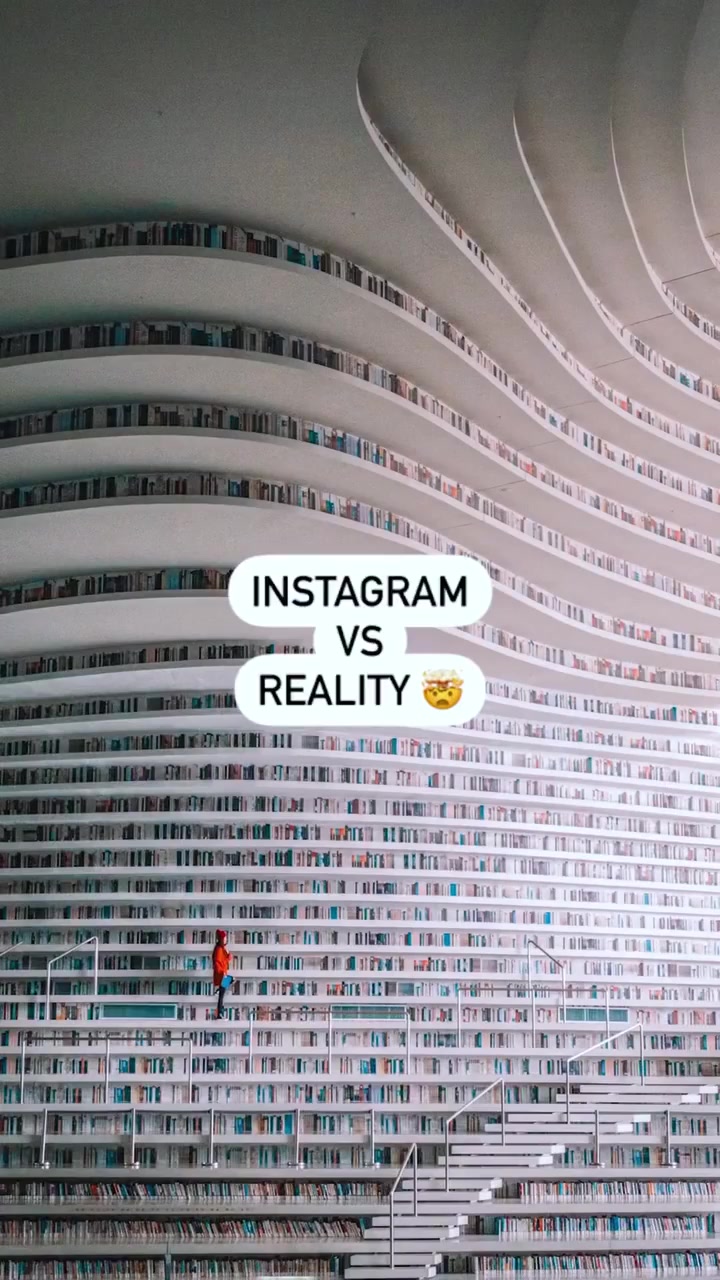
Tianjin Binhai Library is a visual spectacle, renowned for its stunning design and architectural innovation. The library has been widely shared online, often presented as a haven filled with books from floor to ceiling. However, the reality is more complex than the online representations. Most of the shelves in its grand atrium are adorned with fake book spines, creating a striking illusion that belies the actual arrangement of books. This stark contrast between perception and reality has sparked curiosity among visitors and viewers. The fake books are part of an architectural design choice, where the full collection of books is still available in conventional sections. The atrium's shelves are a visual masterpiece. Visitors might find the idea of "fake books" surprising, but the design itself is a testament to the library's unique allure.
The Allure of Deception — What's Real at Tianjin Binhai Library
The Tianjin Binhai Library's history is highlighted by a striking juxtaposition of perceived vs. reality. The iconic image of the atrium, which seems to be packed with books, is actually a clever use of design. The atrium is adorned with book spines that are printed on aluminum plates on the shelves, making the space look as though it contains a vast library collection. Meanwhile, the actual books are stored in more traditional sections of the library. The visual trickery of the atrium is part of a broader trend in architecture that prioritizes aesthetics and impact over traditional functionality. The design has been widely acclaimed. Visitors might approach facing the empty shelves with a mix of curiosity and surprise, which creates a unique experience that can spark conversations about the purpose of libraries and the role of design in our culture.
The Architectural Design — Blending Aesthetics and Function
The library’s design was conceptualized by Dutch architectural firm MVRDV. The atrium of the library embodies more than just a visual trick. It represents a blend of form and function that can sometimes seem paradoxical in its approach. While the spines in the atrium are prints on aluminum plates, the more “traditional areas” of the library hold the collection. This unique approach to a library might seem like a strange idea at first, but the structure has garnered immense attention not just due to its striking visuals, but also because of its sheer size - spanning over 40,000 square feet. The mass of books in a visual rearrangement might seem to go against the spirit of a library as a repository of knowledge. However, the space offers a more immersive experience by making the library's design a spectacle in itself.
Debunking the Digital Illusion — The Physical Experience
Visitors to Tianjin Binhai Library often report an experience very different from the one online photos suggest. The atmospheric illusion is visually arresting, but reality changes how the space feels. For book lovers, being able to see the wider spectrum of a library could be a bit disappointing. By contrast, it is clear that the library's design is still a fascinating structure. The juxtaposition of illusion and reality makes Tianjin Binhai Library a must-visit not just for the books, but for the unique view of architecture and design.
A Look at Its Collection — Access to Knowledge
The Tianjin Binhai Library is home to a collection of over 1.2 million physical books. This collection serves a diverse range of readers. Despite the visual illusion of the atrium, visitors still find plenty of books to engage with. The library’s collection includes books on a variety of subjects, from literature and history to science and technology. The visitors can access any titles they find from the digital catalog. While the visuals are still a focal point of the library, the authentic side is that the knowledge still accessible.
Visiting Tianjin Binhai Library
- Explore the Atrium: Whether you approach the library with a tourist's curiosity or a bibliophile's zeal, the atrium remains a highlight. Don't miss it just because of the fake book spines.
- Visit Traditional Sections: The true collection is tucked in traditional sections. If you’re a book lover, this is where you’ll want to spend a good amount of time.
- Historical and Cultural Context: The library exists within a wider area of architectural innovation, making it a rich source of cultural heritage.
- Engage with Locals: Libraries aren't typically bustling with social activity, but the Tianjin Binhai Library brings a unique experience. Take the time to talk to locals about their thoughts on the artificial book spines, and how the library has become a key symbol of the city.
In the Shelves
The Tianjin Binhai Library is more than just a book collection. It is a work of art in its own right. As you step into the space, take a moment to appreciate the care taken to create a unique visual experience. It might be an experience as ephemeral as the aluminum book spines in the atrium. But the Tianjin Binhai Library stands as a testament to the power of design, illusion, and the enduring allure of knowledge.
Watch the Reel
Questions readers ask
What are the fake books in Tianjin Binhai Library made of?
The fake book spines in the Tianjin Binhai Library's atrium are printed on aluminum plates. This choice of material enhances the visual impact of the design. They create the illusion of a vast collection of books, even though they are not real.
Why did the architects choose to use fake books in the design?
The architects, Dutch firm MVRDV, used fake books as part of an architectural design choice. It creates a visually stunning spectacle that has made the library a popular subject for online discussion and debate. The actual books are stored in more traditional sections of the library.
Can visitors touch or interact with the fake books in the atrium?
No, the fake books are not meant to be touched or interacted with. They are part of the visual design and are printed on aluminum plates. The real books are kept in other sections of the library.
How does the library's design impact the visitor experience?
The library's design creates an immersive experience. Visitors might feel a mix of curiosity and surprise when they see the fake books, sparking conversations. It's a unique experience that blends aesthetics and functionality, making the library a spectacle in itself.
Is the Tianjin Binhai Library functional despite the fake books?
Yes, the library is fully functional. The actual book collection is housed in more traditional sections, separate from the visually striking atrium. The design choice does not compromise the library's purpose as a repository of knowledge.
What is the size of the Tianjin Binhai Library?
The Tianjin Binhai Library spans over 40,000 square feet, making it an impressive structure. Its size, combined with its unique design, has garnered it immense attention and made it a popular subject for online discussion.
Related deep dives
Similar reads based on topic and creator.



Recent articles
Fresh deep dives from the latest Reels we unpacked.



Comments
Be the first to comment.