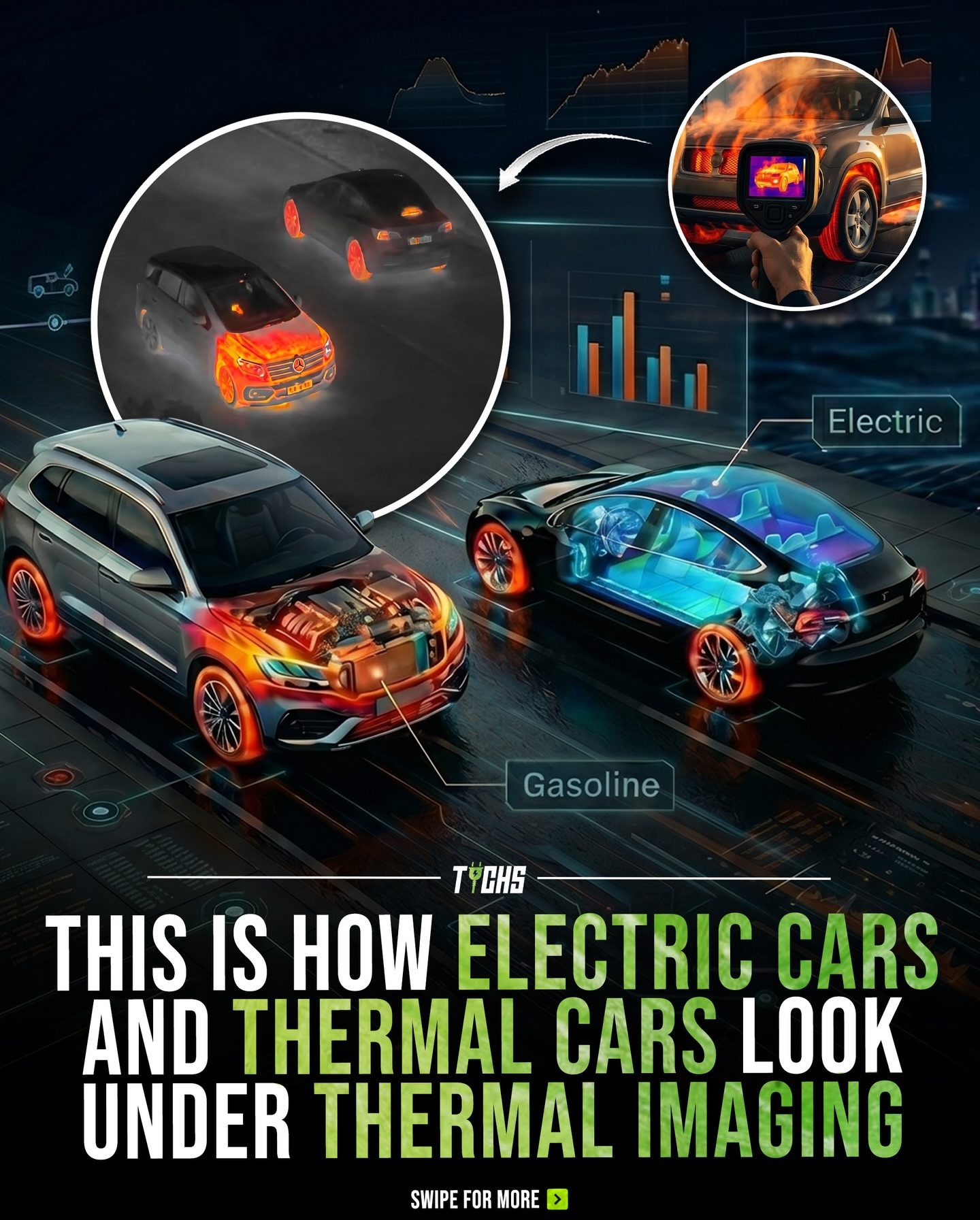
Thermal imaging reveals how electric and gasoline cars use energy differently, shedding light on why one type of vehicle loses energy through heat while the other converts most of its energy into motion.
Context / Why this matters
Understanding how different types of vehicles use and lose energy is crucial for grasping the broader implications of automotive technology. The efficiency of a vehicle directly impacts its environmental footprint and operational costs. Gasoline cars, due to their combustion engines, lose a significant portion of fuel energy as heat. This inefficiency translates to higher fuel consumption, increased emissions, and ultimately, more environmental impact. In contrast, electric vehicles (EVs) are designed to convert a higher percentage of energy into motion, resulting in lower heat loss and more efficient operation.
Main discussion
The Science Behind Thermal Imaging
Thermal imaging is a powerful tool for visualizing the energy distribution and heat loss in vehicles. It does this by capturing in infrared light, rendering heat patterns visible to the human eye. This technology helps in understanding the energy dynamics of both gasoline and electric cars.
Thermal Imaging of Gasoline Cars
Gasoline cars, relying on combustion engines, are known for their significant heat loss. Thermal imaging clearly shows this as intense heat zones. The primary sources of heat in these vehicles are:
- Engine: The combustion process generates a substantial amount of heat, with a significant portion being dissipated into the surrounding environment.
- Exhaust System: As combustion gases are expelled, they carry with them a large amount of heat that is released into the atmosphere.
- Cooling System: Additional heat is generated by the engine and must be managed through the vehicle's cooling system, which also dissipates heat through the radiator and cooling fans.
These processes highlight the inefficiency of gasoline engines, which typically lose around 60% to 65% of their fuel energy as heat. This means only 20-40% of the energy is actually used for moving the vehicle. The inefficiency is a key factor in the lower fuel economy and higher emissions of gasoline-powered cars. This heat loss is clearly illustrated by thermal imaging, showing how much energy is being wasted in the process.
Thermal Imaging of Electric Vehicles
Electric vehicles (EVs), on the other hand, present a starkly different picture under thermal imaging. EVs generate very little heat compared to gasoline-powered cars. This is because electric motors are more efficient at converting electrical energy into motion, with typical energy conversion rates of 85-90%. The lack of combustion means fewer heat-generating components in the drivetrain, resulting in significantly less heat loss.
Why Electric Vehicles Run Cooler
- Efficient Electric Motors: Electric motors are inherently more efficient than combustion engines, converting a higher percentage of energy into motion rather than heat.
- Regenerative Braking: This feature allows EVs to recapture energy normally lost during braking, further enhancing their efficiency and reducing overall heat generation.
- Reduced Mechanical Heat Generation: EVs have fewer moving parts and less mechanical heat generation, which contributes to their lower overall operating temperatures.
Comparing Energy Efficiency
Thermal imaging effectively reveals where energy is being used and lost in both types of cars. The primary differences are:
- Energy Conversion: Electric vehicles convert 85-90% of energy into motion, while gasoline cars only convert 20-40%.
- Heat Loss: Gasoline cars lose 60-65% of their energy as heat, whereas EVs lose far less due to their efficient conversion mechanisms and lack of combustion.
- Operating Temperatures: Gasoline cars operate at much higher temperatures due to the combustion process, while EVs run cooler, enhancing their efficiency and longevity.
The Future of Efficient Mobility
The disparity in energy efficiency highlighted by thermal imaging points towards a future of mobility focused on minimizing waste and maximizing efficiency. Electric vehicles, with their superior energy conversion and lower heat loss, are at the forefront of this shift. This efficiency not only reduces operating costs and environmental impact but also paves the way for advancements in electric vehicle technology, including improved battery life, faster charging, and more powerful electric motors.
Practical tips
Assessing Vehicle Efficiency
If you're in the market for a new car, thermal imaging insights can be invaluable. Here's how to assess the efficiency of the vehicles you're considering:
- Thermal Imaging: If available, ask to see the thermal imaging data of the vehicle to understand its heat distribution and energy efficiency.
- Energy Conversion: Check the vehicle's energy conversion efficiency ratings, which can often be found in the manufacturer's specifications.
- Fuel Consumption/Range: Compare the fuel consumption of gasoline cars to the range of EVs. Lower fuel consumption and higher range typically indicate better efficiency.
- Maintenance Costs: Consider the long-term maintenance costs associated with each vehicle. Electric vehicles generally have lower maintenance costs due to fewer moving parts and less wear and tear.
Maximizing Efficiency in Electric Vehicles
If you already own an electric vehicle, there are several tips to maximize its efficiency:
- Prevent Deep Discharges: Avoid deep discharges by keeping your battery charged and avoiding regular use of the vehicle's full range.
- Use Regenerative Braking: Utilize regenerative braking to recapture energy and extend your driving range.
- Maintain Optimal Tire Pressure: Properly inflated tires reduce rolling resistance, enhancing efficiency.
- Drive Efficiently: Avoid aggressive driving, sudden acceleration, and excessive braking to conserve energy.
Practical Tips for Gasoline Cars
For those with gasoline cars, you can still improve efficiency by:
- Regular Maintenance: Ensure the engine, exhaust system, and cooling system are well-maintained.
- Avoid High Speeds: High speeds increase aerodynamic drag, reducing fuel efficiency.
- Lighten the Load: Remove any unnecessary weight from the car to reduce fuel consumption.
- Use Eco-Mode: If available, use the vehicle's eco-mode to optimize fuel usage.
Important takeaways
Thermal imaging provides a clear visual representation of how electric and gasoline cars use and lose energy. The key takeaways are:
- Gasoline cars lose a significant portion of their energy as heat, mainly through the engine, exhaust, and cooling systems.
- Electric vehicles are more efficient, converting a higher percentage of energy into motion and generating less heat.
- Future mobility is likely to focus more on efficiency and minimizing waste, with EVs leading the way.
Understanding these differences is essential for making informed decisions about vehicle purchases and for appreciating the broader implications of automotive technology on the environment and future mobility solutions.
Conclusion
Thermal imaging offers a compelling visual comparison of energy use in electric and gasoline cars. Gasoline cars, due to their combustion engines, lose significant energy as heat, making them less efficient. In contrast, electric vehicles convert a higher percentage of energy into motion, resulting in lower heat loss and greater efficiency. This efficiency not only reduces costs but also promotes a more sustainable future. Whether you're considering a new vehicle or optimizing the efficiency of your current one, understanding these energy dynamics is crucial.
Watch the Reel
Questions readers ask
How does thermal imaging demonstrate the efficiency of electric cars?
Thermal imaging provides a visual representation of heat loss, showing that electric cars retain more energy for motion, while gasoline cars lose a significant amount to heat. This difference highlights the superior energy efficiency of electric cars.
Why do gasoline cars lose more energy as heat?
Gasoline cars use combustion engines, which inherently produce a lot of heat. This heat is a byproduct of the combustion process and is not used to power the vehicle, resulting in significant energy loss. In contrast, electric cars convert electrical energy directly into motion, minimizing heat loss.
What are the environmental benefits of electric cars' thermal efficiency?
The higher thermal efficiency of electric cars means they produce fewer greenhouse gas emissions compared to gasoline cars. By converting more energy into motion, electric cars consume less energy overall and reduce their environmental impact.
How does the energy efficiency of electric cars impact fuel costs?
Since electric cars convert more of their energy into motion, they require less frequent charging compared to the fuel needs of gasoline cars. This efficiency can lead to significant savings on fuel costs for electric car owners.
Can thermal imaging help in the development of more efficient gasoline cars?
Yes, thermal imaging can provide valuable insights into the energy loss patterns of gasoline cars, helping engineers identify areas for improvement. By understanding where and how heat is lost, researchers can work on developing more efficient combustion engines.
What role does energy conversion play in the efficiency of electric cars?
Electric cars are designed to convert a higher percentage of their energy into motion. This direct conversion means they do not rely on a combustion process, which generates a lot of heat. As a result, electric cars experience less energy waste, enhancing their overall efficiency.
Related deep dives
Similar reads based on topic and creator.


Recent articles
Fresh deep dives from the latest Reels we unpacked.




Comments
Be the first to comment.