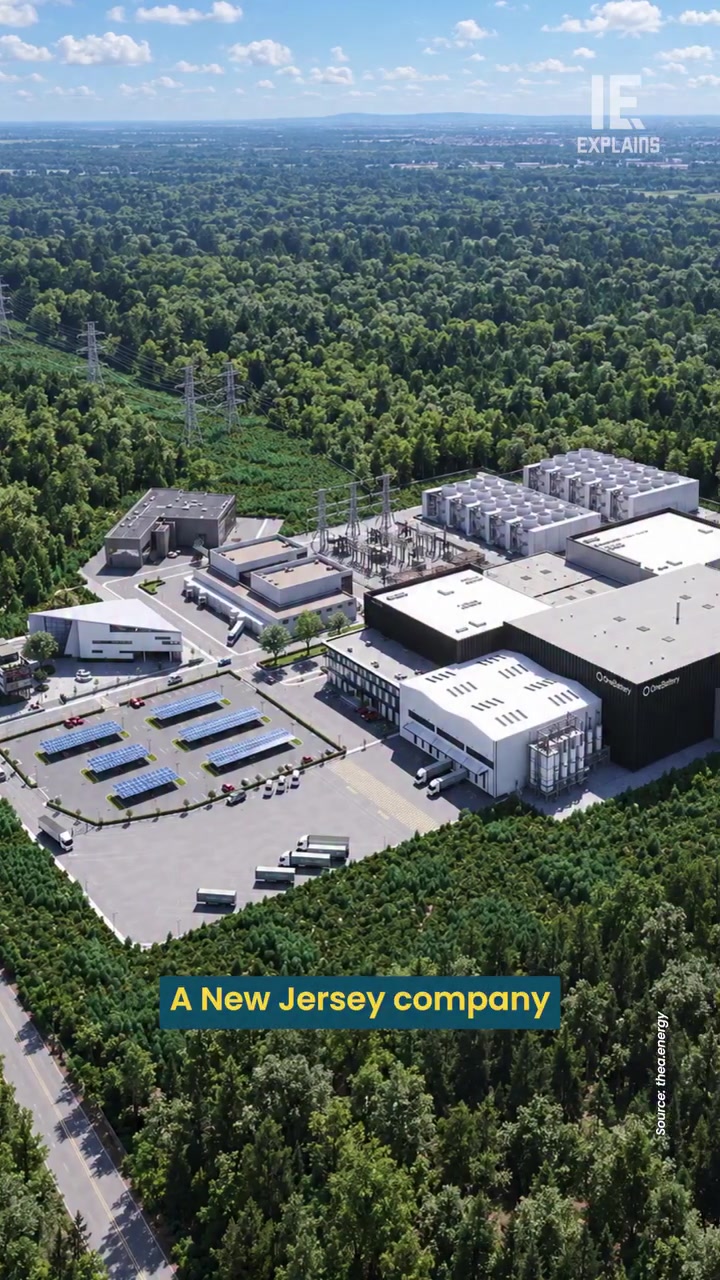
The New Jersey-based Thea Energy has released blueprints for a fusion power plant called Helios, a unique stellarator design aimed at delivering 400 megawatts continuously. Instead of the twisted magnets common to stellarators, the blueprint envisions 12 larger flat coils encircling the plasma and 324 smaller flat coils controlled individually to stabilize the plasma. Its Helios design is a call to the existing fusion research plants that, while may have a promise, but yet not successfully delivered a single watt of energy to the grid. Thea Energy's approach with Helios focuses on efficiency and stability, using high-temperature superconductors and advanced design features borrowed from tokamak reactors to handle plasma exhaust.
The Plasma Crossover
Thea Energy is not inventing the plasma. Helios is a stellarator. Stellarators and tokamaks are two main types of magnetic confinement devices used in fusion research. The stellarator’s distinctive feature is Continuous Operation Without Disruptions. It ensures a steady, uninterrupted energy output, which could be a potential advantage for commercial power plants. Stellarators achieve this through a complex magnetic field that twists and confines the plasma. However, the intricate design means the coils that twist the plasma are often "like crumpled ribbons", making them challenging to build and maintain. The large-scale Helios plant proposed by Thea Energy takes the tokamak approach instead. Tokamaks typically rely on a simpler, ring-shaped magnetic field. The plasma in a tokamak is not continuously stable; sudden disruptions can occur, releasing the plasma uncontrollably which leads to a need to shut down the reactor. But the coils are much simpler to construct.
Stellarator 2.0
The proposed Helios plant uses 400 small coils to maintain its design. Helios uses a reactor design of 12 larger flat coils on the inside and 324 smaller flat coils on the outside encircling the plasma to maintain the plasma's stability. This design uses flat coils instead of twisted magnets, which are complex to assemble and maintain.
The Coil Innovations
The coil configuration allows for precise control over the plasma's magnetic field. The 12 larger flat coils on the inside encircle the plasma and create the primary magnetic field that confines it. This layer acts as a foundation to stabilize the plasma while the 324 outer coils control the field’s finer details. Each smaller coil is controlled individually, allowing for precise adjustments that can correct for any disruptions. This finely-tuned control helps maintain the plasma's stability and prevents sudden disruptions.
Heat Management
One innovative adaptation in the Helios design is the integration of the X-Point diverter from tokamak reactors. This feature is an unusual choice for a stellarator but it helps in managing the exhaust heat from the plasma. The diverter directs the hot plasma exhaust away from the reactor walls, preventing them from overheating and potentially damaging the machine.
Budgeting the Power Plant
According to Thea Energy, the Helios stellarator will generate about 1.1 gigawatts of heat and have a major radius of 8 meters. The reactor will operate at a peak magnetic field of 20 tesla, utilizing high-temperature superconductors for efficiency. The capacity factor, a measure of how much energy the plant produces compared to its maximum potential output, is targeted to be above 85%. This indicates that the reactor is designed to operate at near-maximum capacity for most of the time, ensuring a steady and reliable power supply.
Improvements in Efficiency
The Helios design focuses on efficiency through multiple means. By using high-temperature superconductors, the reactor minimizes power losses and energy consumption. The smaller flat coils encircle the plasma on the outside of the main coils, each controlled individually. This precise control system helps maintain plasma stability. The stellarator's continuous operation, without sudden disruptions, also contributes to overall efficiency.
Software Control
Stellarator is a complex machine to operate. Helios’ finely-tuned coil system requires constant control and monitoring to ensure the plasma remains stable. The design would be a challenging task for manual control. This is where software control comes into play. The software can continuously monitor the state of the plasma and individual coils, making real-time adjustments as needed. The system can detect and correct for small deviations, ensuring that the plasma remains stable and the power output is consistent. This automated control system is a crucial aspect of Helios’ design, allowing it to maintain the required capacity factor.
The Plasma Engineering Challenge
EOS is a smaller neutron source stellarator which targets 2030. The EOS stellarator design will be used to validate critical design elements before deploying the larger Helios design. This phased approach allows Thea Energy to gather data and make necessary adjustments, ensuring that the Helios design is both feasible and efficient.
Industry’s Verification
While the goal is for Helios to be a stellarator plant putting out 400 megawatt, the actual energy production from a fusion power plant is complex. EOS, the pre-developed smaller neutron source stellarator, will be operational by 2030. It allows Thea Energy to test and verify the reactor design before building the larger Helios. By gathering data from EOS, the company can refine the Helios design, ensuring that it meets the necessary performance and safety standards.
Get Wired
Thea Energy stands out with a well-established background as a spin-out from the Princeton Plasma Physics Lab. EOS comes first, targeted for 2030. If the project and the data it's providing for the bigger Helios plants lives up to the promise, it can reset expectations for fusion as a realistic energy source. Thea Energy to watch.
Watch the Reel
Questions readers ask
What sets Thea Energy's Helios reactor apart from other fusion reactors?
Thea Energy's Helios reactor is distinctive because it uses a stellarator design with flat coils instead of the traditional twisted magnets. This design aims to provide continuous operation without disruptions, which is a significant advantage for commercial power generation. Additionally, the Helios reactor incorporates features from tokamak reactors, such as the X-Point diverter, to manage plasma exhaust effectively.
How does the Helios reactor achieve stability in the plasma?
The Helios reactor uses a combination of 12 larger flat coils on the inside and 324 smaller flat coils on the outside to encircle and stabilize the plasma. These coils are controlled individually, allowing for precise adjustments to the magnetic field. This setup helps maintain the plasma's stability and prevents sudden disruptions.
What are the advantages of using flat coils in the Helios reactor design?
Flat coils are simpler to construct and maintain compared to the twisted magnets used in traditional stellarators. By using flat coils, Thea Energy can achieve a more stable and efficient plasma confinement, which is crucial for continuous energy output.
How does the X-Point diverter from tokamak reactors benefit the Helios stellarator?
The X-Point diverter helps manage the exhaust heat from the plasma by directing it away from the reactor walls. This prevents overheating and potential damage to the machine, ensuring the reactor can operate more safely and efficiently.
What is the power output of the Helios reactor, and how does it compare to other fusion reactors?
The Helios reactor is designed to generate 400 megawatts continuously. This is a significant output compared to other fusion reactors, which have yet to deliver a single watt of energy to the grid. The continuous operation without disruptions is a key advantage for commercial power generation.
Is the Helios reactor design ready for commercial use, or is it still in the experimental phase?
The Helios reactor design is a blueprint released by Thea Energy, but it is not yet operational. The company aims to address the challenges faced by existing fusion research plants by focusing on efficiency and stability. While the design shows promise, it is still in the development phase and not yet ready for commercial use.
What are the potential challenges in implementing the Helios reactor design?
One potential challenge is the complexity of controlling 324 smaller flat coils individually to maintain plasma stability. Additionally, integrating features from tokamak reactors into a stellarator design presents unique engineering hurdles. However, Thea Energy's approach aims to address these challenges through advanced design features and high-temperature superconductors.
Related deep dives
Similar reads based on topic and creator.


Recent articles
Fresh deep dives from the latest Reels we unpacked.




Comments
Be the first to comment.