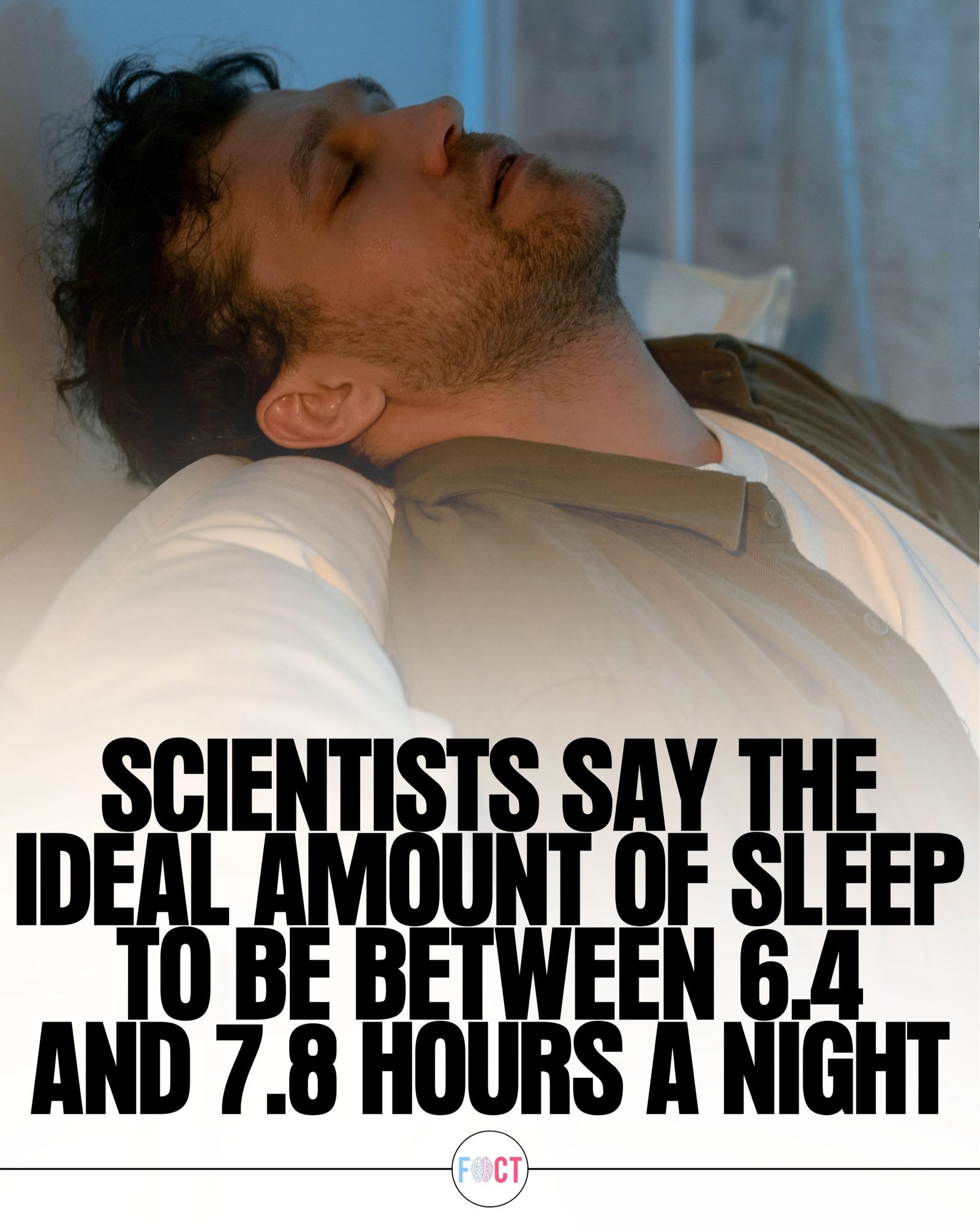
Sleep and Aging: The Science Behind Your Sweet Spot
Sleep plays a crucial role in maintaining overall health and longevity. Recent studies have honed in on a specific sleep duration that seems to optimize biological aging. Scientists have identified a "sweet spot" for sleep: approximately 6.4 to 7.8 hours per night. This range is associated with the lowest signs of biological aging across various organ systems, including the brain, heart, lungs, and immune system.
Why This Matters
Understanding the ideal amount of sleep is more than just a matter of feeling well-rested. It directly impacts long-term health outcomes. Consistent sleep patterns within the recommended range may help mitigate risks associated with aging. Conversely, deviations from this range—either too little or too much sleep—can accelerate biological aging and increase the likelihood of diseases and mortality.
Sleep and Biological Aging: The Science
The Study
A comprehensive study published in Nature analyzed data from over 500,000 participants in the UK Biobank. This study employed 23 biological aging clocks across 17 organ systems to assess how sleep duration affects aging. The findings revealed that individuals who consistently slept within the 6.4 to 7.8-hour range exhibited the least signs of biological aging.
Biological Aging Clocks
Biological aging clocks are sophisticated metrics that measure the biological age of various organ systems, providing a more nuanced understanding of how age-related changes occur. By evaluating data across multiple clocks, researchers could pinpoint the optimal sleep duration that minimizes aging across the body.
Key Findings
The study identified that both short and long sleep durations are associated with faster biological aging. Those who slept less than 6 hours or more than 8 hours per night showed accelerated aging patterns. This suggests that maintaining sleep within the recommended range is crucial for overall health and longevity.
Health Implications
Short sleep durations have been linked to higher risks of various diseases, including cardiovascular issues, metabolic disorders, and weakened immune function. Conversely, sleeping too much can also lead to similar health risks, such as increased inflammation and metabolic dysfunction.
Practical Tips for Better Sleep
Consistency is Key
Maintaining a consistent sleep schedule can help regulate your body's internal clock. Aim to go to bed and wake up at the same time every day, even on weekends.
Create a Sleep-Conducive Environment
Ensure your bedroom is dark, quiet, and cool. Invest in a comfortable mattress and pillows. Consider using blackout curtains, earplugs, or a white noise machine if necessary.
Establish a Bedtime Routine
Develop a relaxing routine before bed, such as reading, taking a warm bath, or practicing meditation. Avoid screens and stimulating activities that can interfere with sleep.
Monitor Your Sleep
Use a sleep tracker or app to monitor your sleep patterns. This can provide insights into your sleep quality and help you adjust your habits accordingly.
Important Takeaways
Quality Sleep is Essential
Quality sleep within the optimal range (6.4 to 7.8 hours) is essential for maintaining overall health and longevity. Both short and long sleep durations can lead to accelerated biological aging and increased health risks.
Individual Needs Vary
While the ideal sleep duration is between 6.4 and 7.8 hours, individual needs may vary. It's important to pay attention to your body and adjust your sleep habits accordingly.
Sleep as a Daily Habit
Prioritize sleep as a crucial daily habit. Consistent, high-quality sleep can help protect your body, brain, and overall health in the long run.
Conclusion
Sleep is a fundamental aspect of health and longevity. By understanding the science behind the ideal sleep duration, you can make informed decisions to improve your sleep habits. Aiming for 6.4 to 7.8 hours of sleep per night can significantly impact your biological aging and overall well-being. Establish a consistent sleep routine, create a sleep-conducive environment, and monitor your sleep to ensure you are getting the rest you need.
Watch the Reel
Questions readers ask
What is the ideal sleep duration for promoting healthier aging?
The ideal sleep duration for promoting healthier aging is between 6.4 to 7.8 hours per night. This range is associated with the lowest signs of biological aging across various organ systems, including the brain, heart, and lungs.
How does sleep duration impact long-term health outcomes?
Sleep duration significantly affects long-term health. Staying within the optimal range of 6.4 to 7.8 hours per night can help mitigate risks associated with aging, including reducing the risk of diseases and mortality.
What are the benefits of sleeping within the optimal range?
Sleeping within the optimal range of 6.4 to 7.8 hours per night can help reduce the signs of biological aging and promote overall health. This range is associated with better functioning of vital organ systems, such as the heart, lungs and immune system.
What happens if I sleep more or less than the recommended range?
Sleeping more or less than the recommended range of 6.4 to 7.8 hours per night can negatively impact long-term health. Deviations from this range may increase the risk of diseases and mortality associated with aging.
How does sleep affect the health of vital organs?
Sleep plays a crucial role in maintaining the health of vital organs. Consistent sleep patterns within the recommended range can help optimize the functioning of organs such as the brain, heart, lungs, and immune system.
Are there specific risks associated with not getting enough sleep?
Yes, not getting enough sleep (less than 6.4 hours per night) can increase the risk of various health issues and diseases, as well as mortality. It is important to prioritize sleep within the optimal range to support overall health and longevity.
Can getting too much sleep be harmful?
Yes, getting too much sleep (more than 7.8 hours per night) can also be harmful. It is associated with increased risks of health issues and diseases, similar to getting too little sleep. Sticking to the optimal range is key for better health outcomes.
Related deep dives
Similar reads based on topic and creator.

Recent articles
Fresh deep dives from the latest Reels we unpacked.




Comments
Be the first to comment.