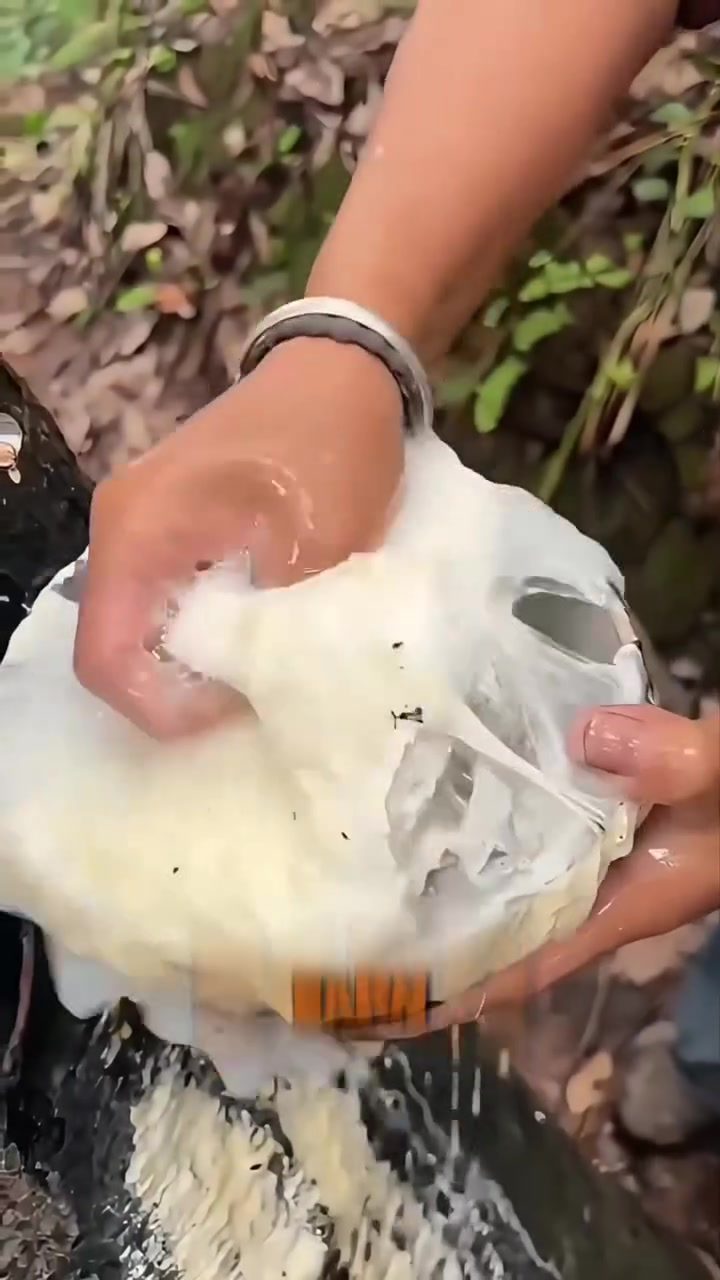
Rubber Processing: From Tree to Sheets
Rubber processing is a fascinating journey that transforms the sap of rubber trees into versatile sheets, used in a wide range of products. Understanding this process reveals the intricate steps involved in turning raw latex into a usable material. This exploration will walk through the process, from tapping the trees to the final product, highlighting the significant aspects of rubber sheet production.
Context
Rubber processing begins with the tapping of rubber trees, a practice deeply rooted in Thai culture and economy. The process is not just about extracting latex; it’s a meticulous operation that involves several steps to ensure the quality and consistency of the final product. This detailed look into rubber processing aims to provide insights into the work and effort behind the production of rubber sheets, which are essential raw materials for countless industrial applications.
The Rubber Processing Journey
Tapping the Trees
Rubber trees are typically tapped early in the morning, often before dawn. The cooler temperatures at this time help the latex flow more freely, making the tapping process more efficient. Each tree can yield about 200 milliliters of latex per day, a small but significant amount considering the scale at which this operation is conducted.
Collecting and Processing Latex
Once the latex is collected, it undergoes a series of treatments to transform it into solid rubber. The collected latex is first filtered to remove any impurities. Then, a small amount of acid is added to coagulate the latex, turning it into a solid form. This process is crucial as it stabilizes the latex, making it easier to handle and process further.
Forming Rubber Sheets
After coagulation, the solidified latex is pressed into thin sheets. These sheets are then dried and stacked, ready to be used as raw material. The process is labor-intensive, and each step requires careful attention to detail to ensure the final product meets the required standards.
Economic Aspects
The economic side of rubber processing is as interesting as the physical transformation of latex. In Thai villages, making rubber sheets is often a family business. The income from rubber production can be quite significant, especially for families with a large number of trees. Fresh rubber sheets sell for about 60 baht per kilogram, which is roughly 13 Chinese yuan.
Financial Considerations
A family with 100 rubber trees can harvest around 50 kilograms of latex a day. After accounting for material costs, they can earn about 600 yuan a day. This income is a testament to the hard work and dedication involved in rubber processing. Each step, from tapping the trees to selling the final product, requires skill and diligence, making it a profitable but demanding endeavor.
Importance in the Industrial Sector
The rubber sheets produced through this process become the raw material for various products, including tires and floor mats. These sheets are versatile and durable, making them ideal for a wide range of industrial and consumer applications. The demand for high-quality rubber sheets is constant, ensuring a steady market for rubber producers. Families involved in this business can benefit from the ongoing demand and the relatively stable prices of rubber products.
Practical Tips for Aspiring Producers
Understanding the Market
For those interested in entering the rubber processing business, understanding the market dynamics is crucial. This includes knowing the current prices of rubber sheets, the demand for different types of rubber products, and the competition in the market. Building a network of buyers and suppliers can also be beneficial in establishing a stable market presence.
Efficiency in Operations
Efficiency in rubber processing is key to maximizing profits. This involves optimizing the tapping process, ensuring the latex is collected and processed quickly, and minimizing waste. Using the right equipment and maintaining a clean and organized workspace can significantly improve efficiency.
Quality Control
Quality control is essential in rubber processing. Ensuring that the rubber sheets meet the required standards can help maintain a good reputation and secure long-term contracts. Regular checks and balances, from the tapping process to the final product, are necessary to maintain quality.
Important Takeaways
Rubber processing is a multi-step journey that involves tapping trees, collecting and processing latex, and forming it into rubber sheets. This process is not just about converting raw material into a usable product—it’s a livelihood for many families in Thailand. The economic benefits of rubber processing are significant, but the work is hard-earned and requires dedication and skill.
Understanding the intricacies of rubber processing can help aspiring producers navigate the industry more effectively. From market dynamics to quality control, every aspect of the process plays a crucial role in the final product's success.
Conclusion
The process of turning latex into rubber sheets is a testament to human ingenuity and perseverance. From the early morning tapping of rubber trees to the final production of high-quality sheets, every step requires skill, dedication, and a deep understanding of the market. Whether you’re a seasoned producer or just starting, the journey of rubber processing is both challenging and rewarding.
Watch the Reel
Questions readers ask
What is the first step in the rubber processing journey in Thailand?
The first step in rubber processing in Thailand is tapping the rubber trees, usually done at dawn. This involves making a careful incision in the tree bark to collect the latex sap, which flows out of the tree.
How does the latex from rubber trees become sheets?
After collection, the latex is filtered to remove impurities. It is then coagulated, or thickened, using formic acid. This coagulated latex is passed through rollers to create thin sheets, which are then dried and pressed into the final rubber sheets used in various industries.
What are the main uses of rubber sheets produced in Thailand?
Rubber sheets produced in Thailand are used in a wide range of products, including tires, gloves, and various industrial applications. The versatility of the sheets makes them a key component in many industries, contributing significantly to the Thai economy.
What are the primary earnings for Thai rubber farmers?
Thai rubber farmers primarily earn income through the sale of latex and rubber sheets. The income can vary significantly depending on market prices and the quality and quantity of the latex produced, which is influenced by factors like tree age and weather conditions.
How does the tapping process affect the health of the rubber trees?
The tapping process is designed to be sustainable and minimize harm to the rubber trees. Farmers carefully make incisions that allow the tree to continue growing and producing latex for many years. Proper tapping techniques ensure the tree's health and longevity, supporting long-term rubber production.
What challenges do Thai rubber farmers face in their operations?
Thai rubber farmers face several challenges, including fluctuating market prices, pests and diseases, and weather conditions. Additionally, the labor-intensive nature of tapping and processing rubber can be demanding, requiring careful management and investment in technology to improve efficiency.
How has the rubber industry evolved in Thailand over the years?
The Thai rubber industry has grown significantly, becoming a major player in global rubber production. Over the years, advancements in technology and processing techniques have improved efficiency and product quality. Additionally, the industry has adapted to market demands, expanding the range of products and applications for Thai rubber.
Related deep dives
Similar reads based on topic and creator.


Recent articles
Fresh deep dives from the latest Reels we unpacked.




Comments
Be the first to comment.