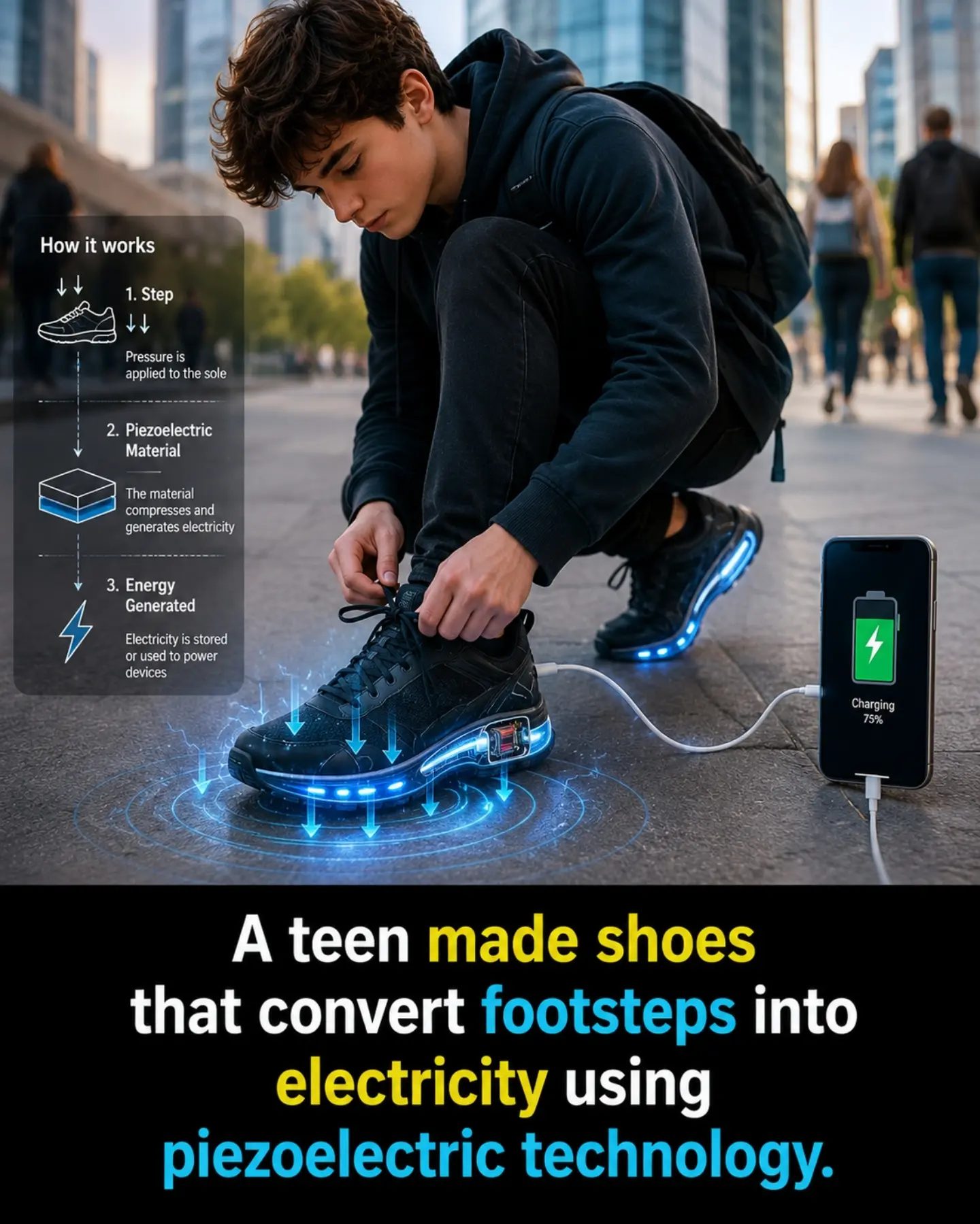
While it's still a niche innovation, converting motion into electricity has been explored as a viable energy source, most notably in the form of shoes equipped with piezoelectric technology. Piezoelectric shoes, such as the ones designed by zoele, harness the power of footsteps to generate electricity. Here’s a deep dive into how this ingenious technology works, its practical applications, and why it's a promising innovation.
Context / Why this matters
The idea of generating electricity from everyday movements is not just a concept of the future; it's already being developed. Piezoelectric shoes, like those created by zoele, are at the forefront of this technology. These shoes contain piezoelectric materials that convert mechanical stress into electrical energy. This process could revolutionize how we think about powering small devices and even contributing to a more sustainable energy landscape.
Main discussion
The Piezoelectric Effect
Piezoelectricity is the electric charge that accumulates in certain solid materials, such as crystals, ceramics, and biological matter like bones, in response to applied mechanical stress. This phenomenon was discovered in 1880 by French scientists Jacques and Pierre Curie. The principle behind piezoelectric shoes is simple: when pressure is applied to the sole of the shoe, the piezoelectric material compresses and generates an electric charge.
How Piezoelectric Shoes Work
Piezoelectric shoes, like those made by zoele, operate on three primary steps:
-
Pressure Application: When you walk, pressure is applied to the sole of the shoe. This pressure compresses the piezoelectric material embedded within the sole.
-
Electricity Generation: The compression of the piezoelectric material generates an electric charge. This charge is captured and can be used to power small devices.
-
Energy Storage or Use: The generated electricity is either stored in a small battery within the shoe or immediately used to power devices. This can be particularly useful for charging small gadgets like smartphones, smartwatches, or other portable electronics.
The Technology Behind zoele Shoes
Zoele's piezoelectric shoes are a remarkable example of this technology in action. The shoes feature a piezoelectric material that converts the mechanical energy from each step into electrical energy. The generated electricity can be used to power devices directly or stored for later use. This technology is particularly noteworthy because it was developed by a young innovator, showcasing the potential for youth-driven innovation in sustainable technology.
Practical tips
Choosing the Right Piezoelectric Shoes
If you're considering investing in piezoelectric shoes, there are a few things to keep in mind:
-
Material Quality: Ensure that the piezoelectric material used in the shoes is of high quality. Materials like quartz and lead zirconate titanate (PZT) are commonly used for their durability and efficiency.
-
Comfort and Fit: Since piezoelectric shoes are designed to convert mechanical energy, they need to be comfortable and well-fitting to ensure you can walk or run without discomfort.
-
Energy Efficiency: Look for shoes that have a high energy conversion rate. This will ensure that you get the most out of your steps.
Maintaining Your Piezoelectric Shoes
Maintaining your piezoelectric shoes is essential to ensure their longevity and efficiency:
-
Clean Regularly: Keep the shoes clean to avoid any buildup that could affect the piezoelectric material's performance.
-
Check for Damage: Regularly inspect the shoes for any signs of wear and tear, especially around the piezoelectric material. Damaged areas can reduce the efficiency of energy conversion.
-
Store Properly: When not in use, store the shoes in a cool, dry place to preserve the piezoelectric material's integrity.
Important takeaways
Piezoelectric shoes, like those created by zoele, represent a significant advancement in sustainable energy technology. By converting mechanical energy from footsteps into electrical energy, these shoes offer a unique solution for powering small devices and contributing to a greener future.
The Future of Piezoelectric Technology
The future of piezoelectric technology is bright. As research and development continue, we can expect to see more efficient and affordable piezoelectric materials. This could lead to a wider range of applications, from powering wearable devices to contributing to the energy grid. The potential for innovation in this field is vast, and young innovators like the creator of zoele's shoes are paving the way for a more sustainable future.
How You Can Get Involved
If you're interested in sustainable energy and innovative technology, there are several ways you can get involved:
-
Support Innovators: Support young innovators and startups working on piezoelectric technology. Your encouragement and backing can help bring these technologies to market faster.
-
Stay Informed: Keep up with the latest developments in piezoelectric technology. Follow researchers, startups, and organizations working in this field to stay informed about new innovations and breakthroughs.
-
Invest in Sustainable Technology: Consider investing in sustainable energy solutions. Whether it's through renewable energy projects or innovative technologies like piezoelectric shoes, your investment can help drive progress in this field.
Conclusion
Piezoelectric shoes are a fascinating and practical application of the piezoelectric effect. By harnessing the mechanical energy from footsteps to generate electricity, these shoes offer a unique solution for powering small devices and contributing to a more sustainable future. As technology continues to advance, we can expect to see even more innovative applications of piezoelectric materials, paving the way for a greener and more energy-efficient world. Whether you're a tech enthusiast, a sustainability advocate, or simply curious about how everyday movements can be converted into electricity, piezoelectric shoes are a groundbreaking innovation worth exploring.
Watch the Reel
Questions readers ask
How do piezoelectric shoes convert footstep energy into electricity?
Piezoelectric shoes work by embedding piezoelectric materials into the shoe's sole. These materials generate an electric charge when subjected to mechanical stress, such as the pressure from footsteps. This process converts the kinetic energy from walking into electrical energy, which can then be harnessed and stored.
What are some practical applications of energy-harvesting shoes?
Energy-harvesting shoes can be used to power small devices, such as smartphones, smartwatches, or portable medical devices. They can also be integrated into larger systems, like smart cities or remote monitoring stations, to provide a sustainable power source. Additionally, these shoes could be used in wearable technology to monitor health and fitness metrics.
Who are zoele and what is their contribution to sustainable technology?
Zoele is a group of teens who have made significant strides in sustainable technology through their invention of piezoelectric shoes. These shoes are designed to convert the kinetic energy from walking into usable electricity, contributing to green energy solutions by harnessing a previously untapped source of power.
Can piezoelectric shoes be used in everyday life, and are they comfortable to wear?
Piezoelectric shoes are designed to be functional and comfortable for everyday use. They are built with the same materials as regular shoes, ensuring that the user experience is not compromised. Over time, advancements in piezoelectric technology will likely make these shoes even more efficient and comfortable.
What makes piezoelectric technology a promising innovation for green energy solutions?
Piezoelectric technology is promising because it offers a renewable and sustainable way to generate electricity from simple, everyday movements. This technology can reduce the reliance on traditional power sources, lower energy costs, and decrease the environmental impact of energy production. Piezoelectric shoes are just one example of how this technology can be integrated into daily life.
How do piezoelectric shoes compare to other kinetic energy devices?
Piezoelectric shoes stand out because they are wearable, making them a convenient and continuous source of power. Unlike other kinetic energy devices that might require specific movements or conditions, piezoelectric shoes generate electricity from the natural act of walking, making them practical for a wide range of users and settings.
Are there any challenges associated with piezoelectric energy harvest and conversion?
While piezoelectric energy conversion is promising, there are challenges to overcome. One major hurdle is the efficiency of the energy conversion process. Currently, the amount of electricity generated from footsteps is relatively small, making it suitable for powering small devices but not yet for larger-scale applications. Over time, advancements in materials and technology can help improve the efficiency and practicality of piezoelectric energy harvest.
Related deep dives
Similar reads based on topic and creator.

Recent articles
Fresh deep dives from the latest Reels we unpacked.




Comments
Be the first to comment.