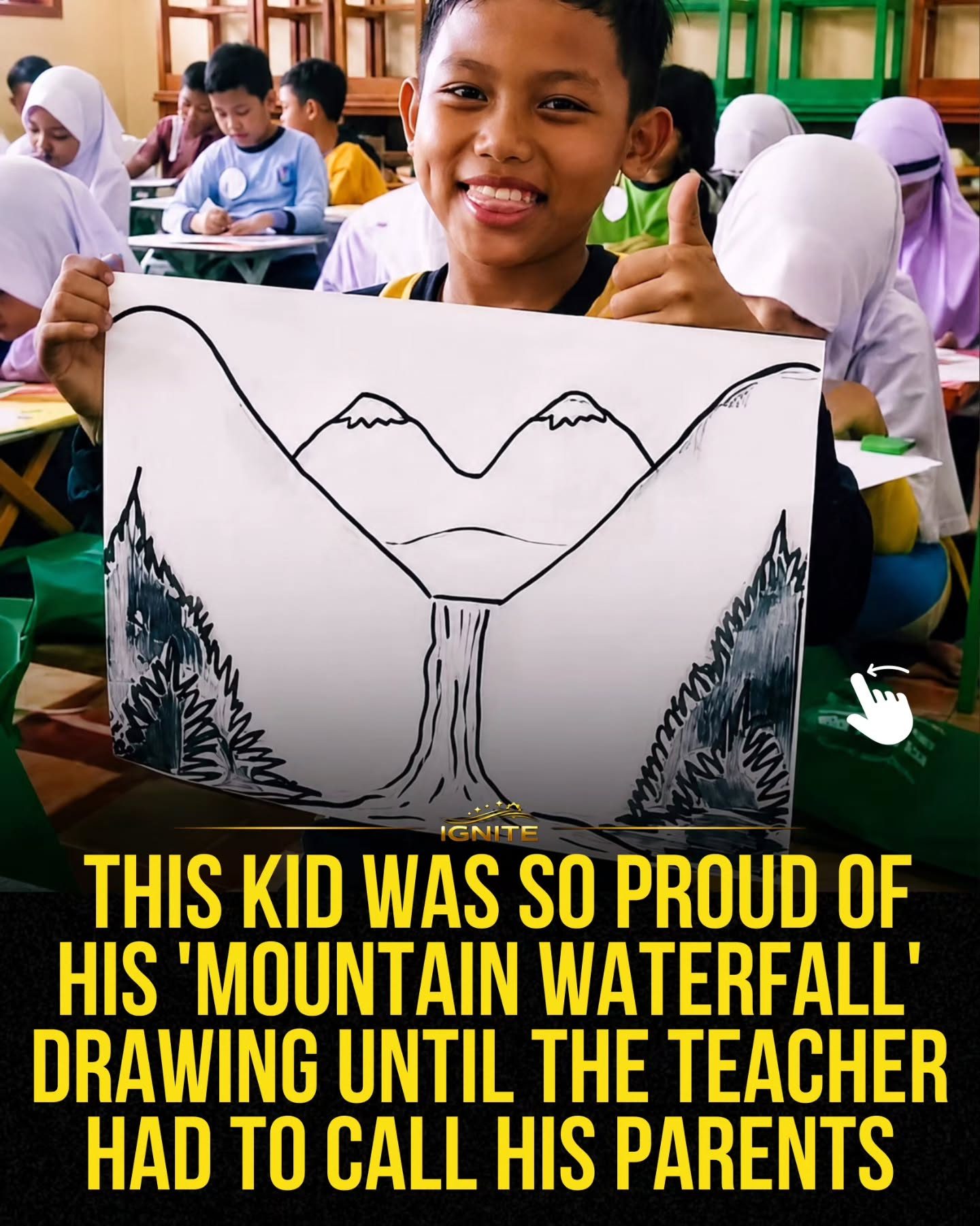
Child Artwork: The Story Behind a Misunderstood Masterpiece
Childhood artwork often captures the imagination and creativity of young minds, offering a glimpse into how children perceive and interpret the world around them. This is exactly what 7-year-old Marcus aimed to do with his drawing, inspired by a nature documentary. However, the artistic expression of one young boy led to a surprising and controversial situation when his teacher misinterpreted his drawing, highlighting the nuances in how adults and children communicate and interpret visuals.
Why This Matters
The incident involving Marcus' drawing underscores the importance of open communication and understanding between teachers, parents, and children. It also reveals the complexity of visual interpretation and the potential misunderstandings that can arise. This story is a reminder that misinterpretations can occur in any setting, and it's crucial to approach such situations with empathy and a willingness to clarify misunderstandings.
Mistaken Interpretation
Marcus, a 7-year-old boy, spent his entire weekend meticulously drawing a scenic mountain and waterfall. Inspired by a nature documentary, he was eager to share his artwork with his teacher as a thank you gift. The drawing, which depicted a serene mountain landscape with a cascading waterfall, was a testament to his budding artistic skills and his enthusiasm for nature.
Unfortunately, the teacher had a different interpretation. When she saw the drawing, she perceived it as depicting something entirely inappropriate. This misunderstanding led her to take the drastic step of calling Marcus' parents. The call left both the parents and the teacher in a state of confusion, as they struggled to understand how a seemingly innocent piece of artwork had been misinterpreted.
Going Viral and Public Reaction
The incident quickly went viral, sparking a wave of reactions across social media. People from all walks of life weighed in on the situation, with many arguing that the teacher had simply misinterpreted an innocent child's artwork. The public outcry highlighted the importance of open communication and the need for adults to approach children's artwork with an open and understanding mind.
The Impact on Marcus
For Marcus, the experience was a mix of pride and confusion. He was initially thrilled to share his drawing with his teacher, but the unexpected reaction left him bewildered. The ordeal underscored the importance of clear communication and understanding, especially when children are involved.
The Teacher's Perspective
The teacher's misinterpretation of the drawing was a reminder of the complexities in visual communication. Often, adults bring their own experiences and biases to their interpretations, which can lead to misunderstandings. In this case, the teacher's reaction was a result of her own perceptions and experiences, which differed significantly from Marcus' intentions.
Practical Tips for Teachers
This incident offers valuable lessons for educators. Here are some practical tips for handling artwork and potential misinterpretations:
-
Open Communication: Encourage open dialogue with students about their artwork. Ask them to explain their drawings and what inspired them. This not only helps in understanding their perspective but also fosters a deeper connection.
-
Approach with an Open Mind: Avoid making assumptions about a child's artwork. Approach each piece with an open mind, ready to learn and understand the child's perspective.
-
Parent Involvement: In cases of misunderstanding, involve the parents early on. Engage in a dialogue to clarify the situation and ensure all parties are on the same page.
-
Educational Activities: Incorporate activities that help children express their thoughts and feelings through art. This can foster a deeper understanding of their creative process and help adults interpret their artwork more accurately.
Practical Tips for Parents
Parents can also play a crucial role in supporting their children's artistic endeavors and ensuring clear communication. Here are some tips for parents:
-
Encourage Artistic Expression: Support your child's creativity by encouraging them to draw, paint, or create art. Celebrate their unique perspective and provide positive feedback.
-
Discuss Artwork: Engage in conversations about your child's artwork. Ask them to explain their drawings and what inspired them. This not only helps in understanding their thoughts but also strengthens your bond.
-
Collaborate with Teachers: Work closely with teachers to ensure a supportive and understanding environment for your child. Open communication can help prevent misunderstandings and foster a positive learning experience.
Important Takeaways
-
Clear Communication: Clear and open communication is crucial in all aspects of life, especially when dealing with children.
-
Understanding and Empathy: Misinterpretations can happen, but it's essential to approach such situations with understanding and empathy.
-
Cultural Sensitivity: Visual interpretations can vary widely, so it's important to be culturally sensitive and approach each piece of art with an open mind.
-
Importance of Art: Art is a powerful medium for self-expression and should be encouraged and celebrated in all its forms.
Conclusion
Marcus's drawing of a mountain and waterfall serves as a poignant reminder of the complexities in visual communication and the importance of understanding and empathy. The story highlights the need for clear communication, open minds, and the involvement of parents and teachers in ensuring that children's artistic expressions are celebrated and understood. By fostering a supportive and understanding environment, we can help children grow and express themselves freely, ensuring that their artwork is always appreciated and valued.
Watch the Reel
Questions readers ask
Why did the teacher misinterpret Marcus' drawing of a mountain?
The teacher misinterpreted Marcus' drawing likely due to a misunderstanding of the visual elements and the symbolic meaning behind the boy's depiction of a mountain. This misinterpretation highlights the complexities of visual communication, particularly between adults and children, and the potential for misunderstandings in interpreting abstract or symbolic artwork.
What role do parents play in preventing such misunderstandings?
Parents can play a crucial role by fostering open lines of communication with their children and teachers. Regularly discussing their child's artwork and the topics that inspire them can help parents understand their child's perspective and provide valuable context to teachers, reducing the likelihood of misinterpretations.
Why is it important for teachers to engage in dialogue with students about their artwork?
Engaging in dialogue allows teachers to gain insights into the student's thought process and the meaning behind their artwork. This conversation can help clear up any potential misinterpretations and provides an opportunity for the teacher to offer guidance and encouragement, fostering a more supportive learning environment.
How can cultural differences affect the interpretation of artwork?
Cultural differences can significantly impact how individuals interpret visuals. What may seem like a straightforward image to one person might carry entirely different connotations to another due to varying cultural backgrounds and experiences. This can lead to misunderstandings, especially in a school setting where students and teachers come from diverse backgrounds.
What can schools do to reduce the risk of artwork misinterpretations?
Schools can implement programs that promote open communication and cultural sensitivity. This includes encouraging teachers and parents to discuss artwork with students, providing workshops on visual literacy, and creating opportunities for students to share the inspiration and meaning behind their artwork, thus fostering a more inclusive and understanding environment.
How can this incident help teachers better understand their students?
By reflecting on the incident, teachers can learn the importance of asking students about the context and inspiration behind their artwork. This process not only helps teachers to understand their students' perspectives better but also builds stronger relationships, encouraging students to express themselves more freely and confidently.
What should a teacher do if they are unsure about the meaning of a student's artwork?
If a teacher is unsure about the meaning of a student's artwork, they should engage the student in a conversation about the piece. Asking open-ended questions, such as 'What inspired you to create this?' or 'Can you tell me more about this part of your drawing?' can provide valuable insights and clarify any ambiguities, ensuring a more accurate interpretation of the artwork.
Related deep dives
Similar reads based on topic and creator.



Recent articles
Fresh deep dives from the latest Reels we unpacked.




Comments
Be the first to comment.