Tattoo Ink Longevity
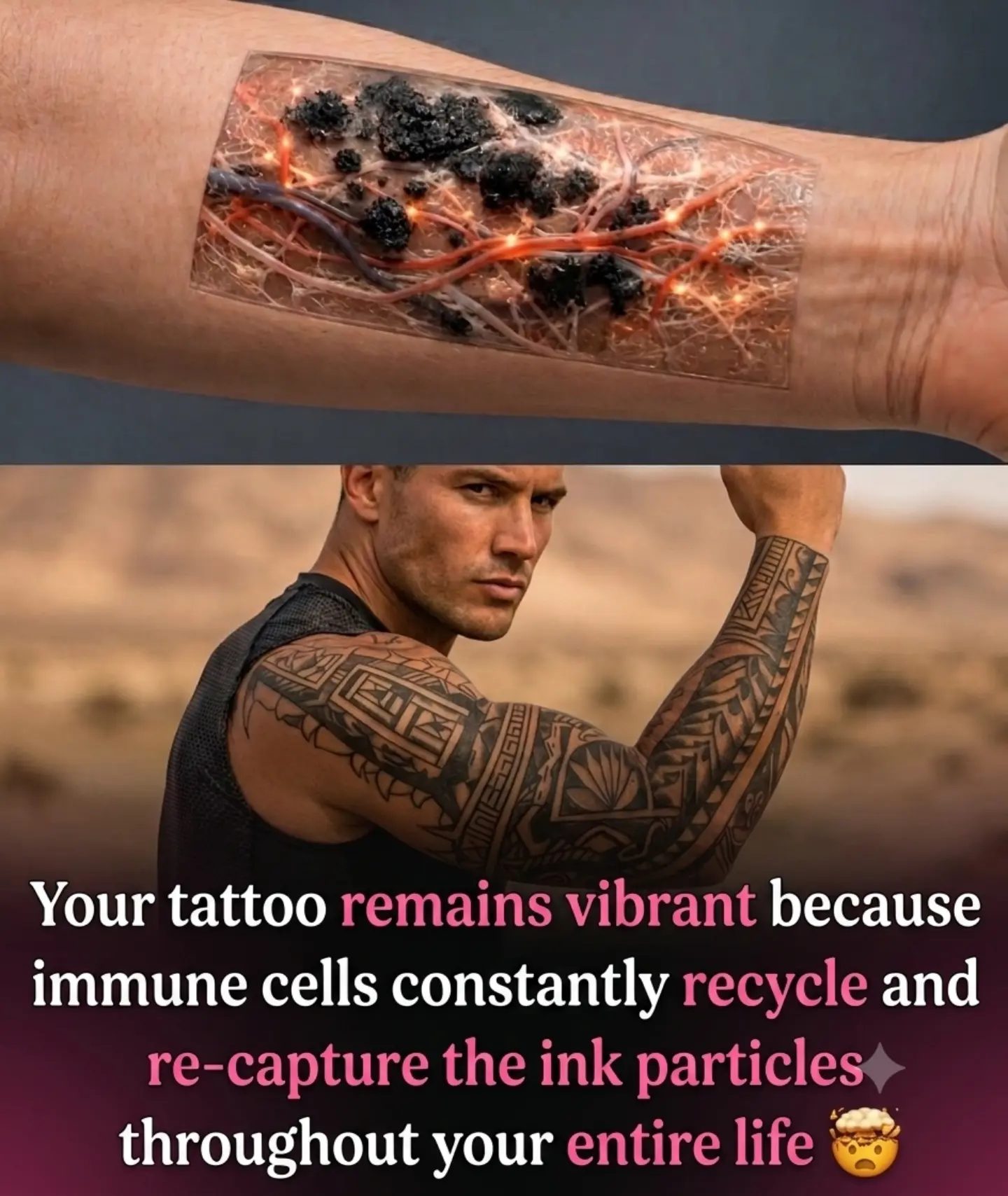
Tattoos are a form of body art that have been around for centuries. Despite appearing static, tattoos are actually maintained by a continuous immune system response. This dynamic process involves the body's immune cells, which play a crucial role in keeping tattoos vibrant and visible over time.
Context / Why this matters
Understanding the longevity of tattoo ink is essential for anyone considering getting a tattoo or looking to remove one. The permanence of tattoos is often attributed to the ink itself, but the real secret lies in the body's immune response. This knowledge can help manage expectations and inform decisions related to tattoo care and removal.
Main discussion
The role of the immune system
When ink is injected into the dermis, the body recognizes the pigment as a foreign threat. In response, it deploys specialized white blood cells called macrophages to engulf the ink particles. These macrophages are part of the immune system’s defense mechanism, designed to protect the body from foreign invaders. However, tattoo pigments are too large and chemically stable to be broken down. As a result, the macrophages trap the ink particles in place, which is why the ink doesn't disappear over time.
The perpetual cellular handoff
This process is ongoing. When the macrophages eventually die, they release the ink back into the tissue. Newly arrived macrophages immediately recapture the ink particles, continuing the cycle. This perpetual cellular handoff is what keeps tattoos visible for decades, maintaining their vibrancy and clarity. The immune system’s response ensures that the ink remains in place, creating a lasting image on the skin.
The Science Behind Laser Tattoo Removal
The same process that keeps tattoos vibrant also explains the efficacy of laser tattoo removal. Laser energy works by fracturing the large pigment particles into microscopic fragments. These smaller fragments can then be processed and cleared from the body by the immune and lymphatic systems. By breaking down the ink particles, lasers effectively disrupt the continuous immune system response, enabling the body to eliminate the ink over time.
The Biological Interaction
Ultimately, a tattoo is not just a static image created by permanent ink; it is a lifelong, active biological interaction. The body's immune system is constantly engaged in maintaining the vibrancy and visibility of the tattoo. This dynamic process ensures that tattoos remain vivid and clear, even as the body ages and changes.
Practical tips
-
Choose a Reputable Artist: Selecting a skilled and experienced tattoo artist is crucial. A professional will use high-quality ink and proper techniques to ensure the longevity of your tattoo.
-
Follow Aftercare Instructions: Proper aftercare is essential for maintaining the vibrancy of your tattoo. Follow your artist's instructions for cleaning, moisturizing, and protecting your new tattoo.
-
Avoid Sun Exposure: Protect your tattoo from prolonged sun exposure to prevent fading. Use a high SPF sunscreen specifically designed for tattooed skin.
-
Consider Laser Removal for Fading: If you decide you no longer want a tattoo, laser removal is an effective option. Consult a professional to discuss the process and expected results.
Important takeaways
-
Continuous Immune Response: The longevity of tattoo ink is due to the body's continuous immune response, which recycles and recaptures ink particles over time.
-
Role of Macrophages: Macrophages, specialized white blood cells, play a key role in trapping and recapturing ink particles, ensuring the vibrancy of the tattoo.
-
Effectiveness of Laser Removal: Laser tattoo removal works by fracturing large pigment particles, enabling the immune and lymphatic systems to clear them from the body.
-
Lifelong Biological Interaction: Tattoos are not static; they are the result of a lifelong, active biological interaction between the body and the ink particles.
Conclusion
Tattoos are a form of art that interacts with the body's immune system in a unique and continuous way. The vibrancy and longevity of tattoo ink are maintained by the body's ability to recycle and recapture ink particles. Understanding this process can help you make informed decisions about getting a tattoo, caring for it, and even removing it. Whether you're considering getting your first tattoo or looking to remove an old one, knowing how the body interacts with tattoo ink is essential for achieving the best results.
Watch the Reel
Questions readers ask
How does the immune system contribute to the longevity of tattoo ink?
The immune system plays a vital role in tattoo longevity by continuously engaging with the ink particles. Immune cells, like macrophages, engulf the tattoo ink particles and help keep them in the dermis layer of the skin, which is why tattoos stay vibrant and visible over time.
Why do large tattoos trigger a more noticeable immune response?
Large tattoos involve more ink and a greater surface area, which can prompt a more pronounced immune reaction. This means that the immune system has to work harder to manage the larger volume of ink particles, potentially leading to more visible signs of the immune response.
Can the immune system remove tattoo ink naturally over time?
While the immune system can break down some of the ink particles, it cannot completely eliminate them. The immune cells that engulf the ink particles, known as macrophages, also eventually die and are replaced, but the ink particles remain trapped in the dermis, ensuring the tattoo stays visible.
What happens during laser tattoo removal that involves the immune system?
Laser tattoo removal works by breaking down the ink particles into smaller fragments, which the immune system can then more easily remove. The immune cells, particularly macrophages, are crucial in this process as they engulf and carry away the smaller ink particles, gradually fading the tattoo.
Does the body's immune response to tattoo ink vary by location on the body?
Yes, the immune response can vary depending on the location of the tattoo. Areas with thinner skin or more active blood flow, such as the hands or feet, may show more pronounced signs of immune reaction, while areas with thicker skin, like the upper arms or back, might have a more muted response.
What are the signs of the immune system’s ongoing engagement with tattoo ink?
Signs of the immune system's ongoing engagement with tattoo ink can include slight redness, swelling, or itching around the tattoo, especially shortly after getting it. These signs are typically minimal and may fluctuate as the immune cells continually work to manage the ink particles.
Can the immune system's reaction to tattoo ink change over time?
The immune system's reaction to tattoo ink can change over time due to factors like aging, skin health, and overall immune function. Some people may notice their tattoos fading slightly or becoming less vibrant as they age, which can be attributed to changes in the immune system's ability to maintain the ink particles in the dermis.
Related deep dives
Similar reads based on topic and creator.




Recent articles
Fresh deep dives from the latest Reels we unpacked.




Comments
Be the first to comment.