Tattoo Removal
Tattoo removal, particularly following a significant breakup, is a major decision. This process can be both emotionally and physically challenging, but understanding the journey can shed light on the considerations and experiences involved.
Context / Why this matters
Tattoos often hold deep personal significance, and when that meaning changes, the decision to remove one can be complex. There are several reasons why someone might consider tattoo removal. This article will explore the emotional and physical aspects of the decision, the process involved, and what to expect.
Main discussion
Emotional Aspects
Tattoos are deeply personal, and for many, they represent a cherished memory, a loved one, or a significant life event. When that meaning shifts, particularly through a breakup or infidelity, the tattoo can become a painful reminder. It’s not uncommon for people to seek removal when the tattoo no longer aligns with their current emotional state or life circumstances.
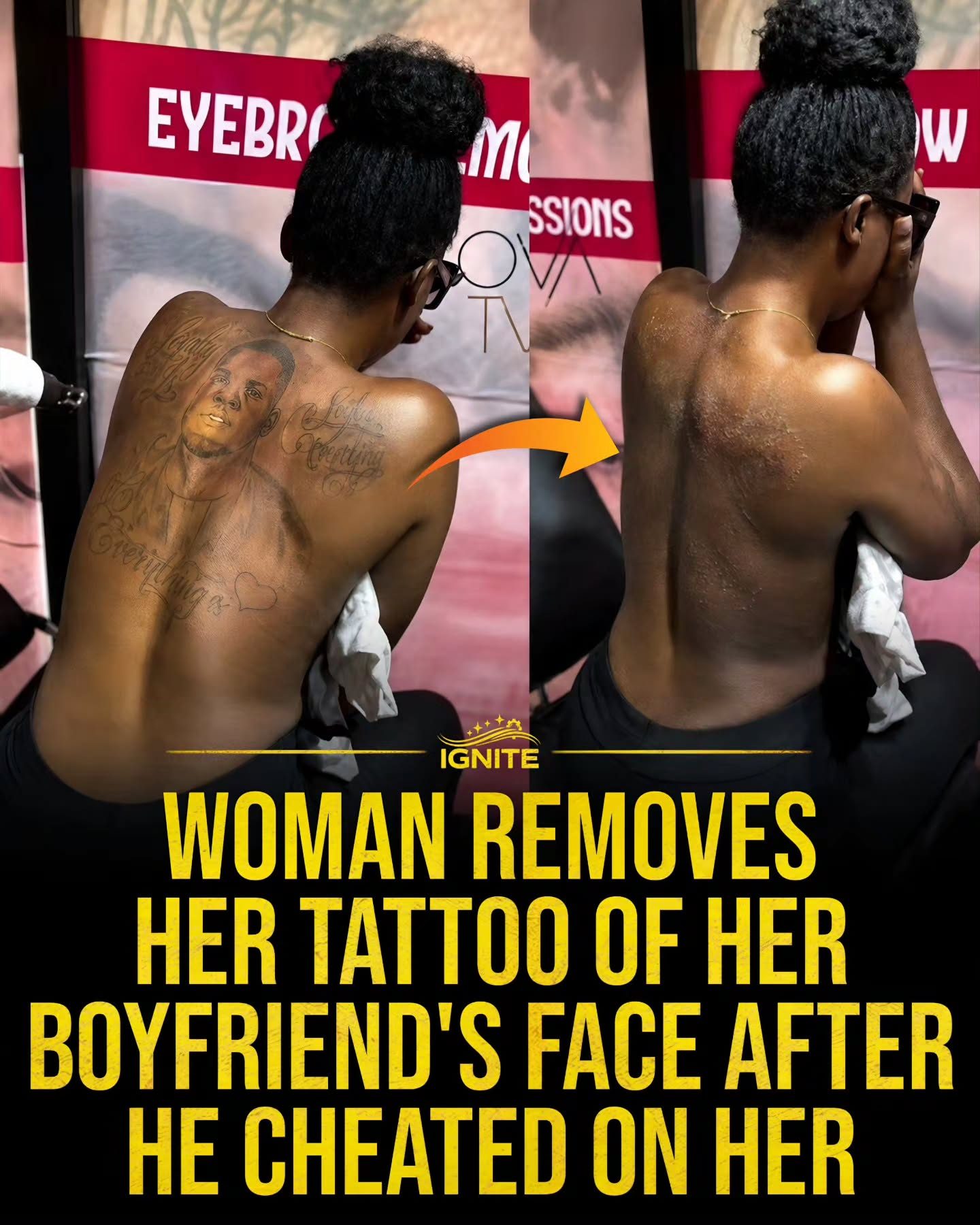
A woman removing a tattoo of an ex-boyfriend's face is a poignant example. The emotional aspect is evident in her decision. Infidelity can cause profound hurt and mistrust, making it difficult to look at a tattoo that once represented love and commitment. The choice to remove the tattoo can be a step towards emotional healing and moving forward.
Physical Process
The physical process of tattoo removal involves several methods, each with its own considerations:
Laser Removal: This is the most common method. Lasers break down the ink particles, which are then absorbed by the body. The number of sessions required depends on the size, color, and depth of the tattoo. Laser removal can be uncomfortable, and multiple sessions are often needed for complete removal.
Dermabrasion: This method involves using a high-speed rotating device to sand down the top layers of the skin. While effective, it can lead to scarring and is less commonly used for facial tattoos.
Surgical Excision: This method involves cutting out the tattoo and stitching the skin back together. It’s typically used for smaller tattoos and can leave noticeable scars.
Chemical Peels and Tattoo Removal Creams: These methods, while less invasive, are generally less effective and can lead to skin irritation.
Healing and Aftercare
Aftercare is crucial for minimizing scarring and ensuring proper healing. Post-care guidelines typically include:
- Keeping the area clean and moisturized.
- Avoiding direct sunlight and using sunscreen.
- Avoiding activities that might cause excessive sweating or friction.
- Following up with a dermatologist to monitor progress and address any complications.
Pain management might also be necessary, as the removal process can be uncomfortable. Consulting a medical professional can provide insights into effective pain management techniques and medications.
Psychological Considerations
The psychological aspect of tattoo removal is often overlooked. Support from friends, family, or even professional therapy can be invaluable during this time. Engaging in activities that promote self-care and personal growth can also aid in the healing process.
Practical tips
If you're considering tattoo removal, here are some practical tips to guide you:
- Consult a Professional: Speak with a dermatologist or a licensed tattoo removal specialist to understand the process and its implications.
- Research Methods: Familiarize yourself with the different removal methods and their associated risks and benefits.
- Financial Considerations: Tattoo removal can be expensive, especially if multiple sessions are required. Factor this into your decision-making process.
- Emotional Support: Reach out to friends, family, or a therapist for emotional support throughout the process.
- Follow Aftercare Instructions: Proper aftercare can significantly impact the healing process and the final result.
Important takeaways
- Emotional Impact: Tattoo removal is often driven by emotional factors, such as a significant breakup or infidelity.
- Physical Process: The removal process can be physically demanding and may require multiple sessions depending on the method chosen.
- Support System: Emotional and psychological support is crucial for a successful and healing experience.
- Aftercare: Proper aftercare is essential for minimizing scarring and ensuring a smooth recovery.
Conclusion
Removing a tattoo, particularly one that has deep emotional significance, is a significant decision. It involves navigating both emotional and physical challenges. Understanding the process, seeking professional guidance, and surrounding yourself with a supportive network can make the journey more manageable.
Watch the Reel
Questions readers ask
What should I expect emotionally during the tattoo removal process after a breakup?
The emotional journey of tattoo removal after a breakup can be intense. It's common to experience a range of feelings, from relief and empowerment to sadness and regret. Be prepared for ups and downs, and consider seeking support from friends, family, or a therapist to help you process these emotions.
How does the physical process of tattoo removal work, and what should I expect?
Tattoo removal typically involves laser treatments that break down the ink particles in the skin. The process can be uncomfortable, often described as a rubber band snapping against the skin, and may require multiple sessions spaced several weeks apart. The skin may also become red, swollen, and scabby after each treatment.
Can I cover up a prominent tattoo instead of removing it?
Yes, covering up a prominent tattoo is an alternative to removal. This involves getting a new tattoo designed to incorporate or cover the existing one. It's important to choose a design that you feel strongly about, as you'll want to ensure that the new tattoo holds personal significance and that you won't want to remove it in the future.
Should I document my tattoo removal journey, and if so, how?
Documenting your tattoo removal journey can be a therapeutic way to track your progress and emotional healing. You can keep a journal, take photographs at each stage, or even share your experiences on a blog or social media platform. Be sure to set boundaries to protect your privacy and emotional well-being.
How do I start the conversation with a tattoo artist about removing a tattoo with sentimental value?
It's important to be honest and open about your reasons for wanting to remove the tattoo. You might say, 'I have a tattoo that holds sentimental value but it's time for me to move forward, and I'm considering having it removed. Can you explain the process and what to expect?' This will help the artist understand your needs and provide the best care and guidance.
What should I consider when removing a tattoo from a highly visible area, such as the face or arm?
Removing a tattoo from a highly visible area, such as the face or arm, can be more challenging due to the sensitive skin and potential for scarring. It's important to choose an experienced and reputable tattoo removal artist, and to follow their aftercare instructions carefully. Additionally, be prepared for the possibility of needing more sessions than for tattoos in less visible areas.
Is it normal to feel anxious or uncertain about tattoo removal, and how can I cope with these feelings?
Yes, it's completely normal to feel anxious or uncertain about tattoo removal, especially after a breakup. To cope with these feelings, try to focus on the reasons why you're choosing to remove the tattoo and the positives that may come from it. Practice self-care, such as exercise, meditation, or spending time with loved ones, and don't hesitate to reach out to a mental health professional if needed.
Recent articles
Fresh deep dives from the latest Reels we unpacked.




Comments
Be the first to comment.