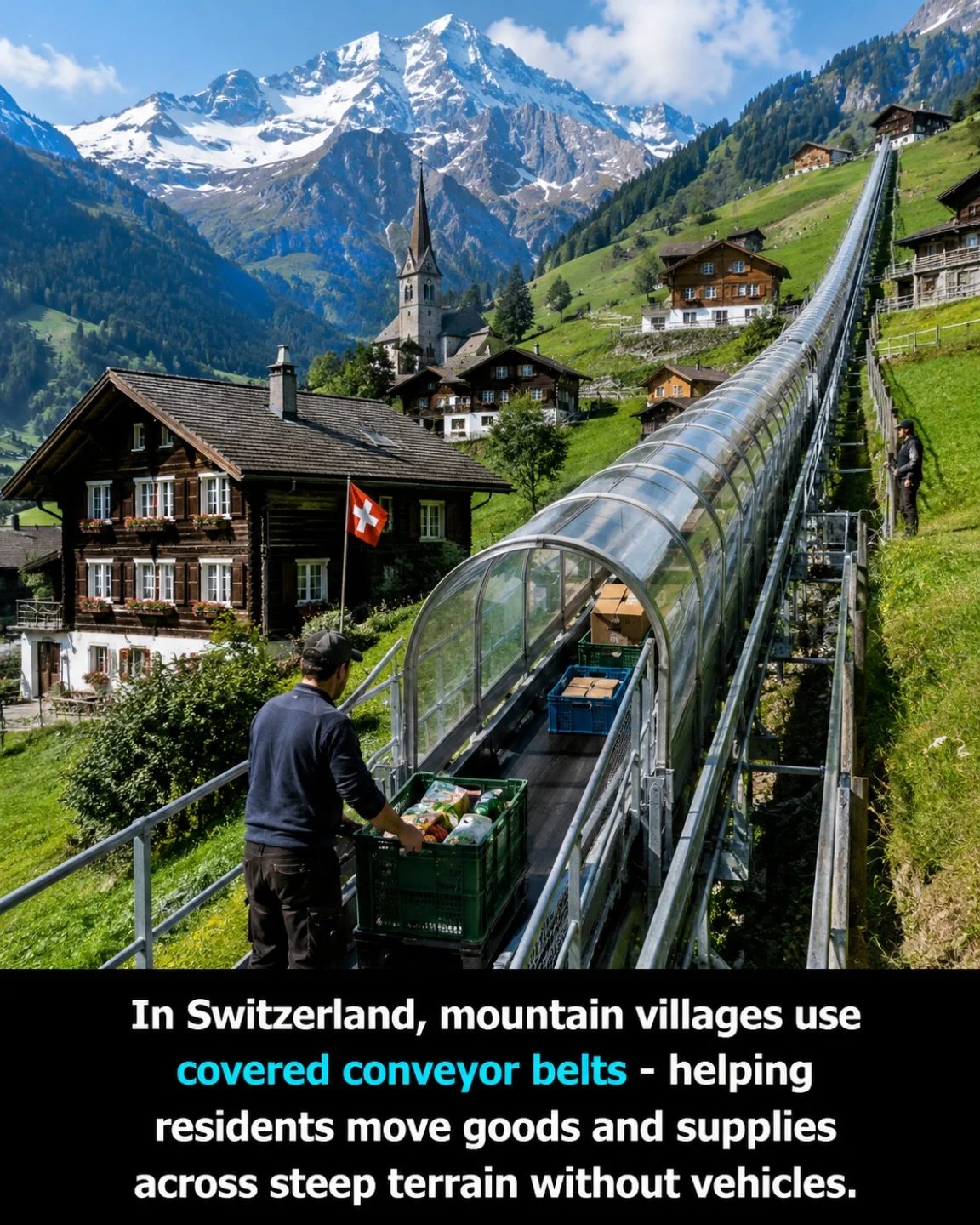
Swiss Conveyor Systems and Mountain Village Life
Conveyor belt systems are often associated with industrial settings, but in the Swiss Alps, these systems play a vital role in the daily lives of mountain villagers. These unique conveyor systems help residents transport goods and supplies across steep terrain, bypassing the need for vehicles and easing the challenges of living in high-altitude environments.
Why Mountain Villages Need Conveyor Belt Systems
Living in a mountain village presents unique logistical challenges. Steep slopes, narrow roads, and harsh weather conditions make it difficult to transport goods using traditional methods. Conveyor belt systems offer a practical solution to these challenges by providing a reliable and efficient means of moving supplies.
Terrrain Challenges
Swiss mountain villages are characterized by their rugged, often inaccessible terrain. The steep slopes and narrow paths make it impractical to use vehicles for transporting goods. This is where the conveyor belt system comes into play. These systems are designed to navigate the challenging terrain, ensuring that villagers have access to the supplies they need.
Environmental Impact
The use of conveyor belt systems in these villages also has a positive environmental impact. By reducing the need for vehicles, these systems help minimize traffic congestion and noise pollution. Additionally, they contribute to lower carbon emissions, making them an eco-friendly alternative to traditional transportation methods.
The Workings of a Conveyor Belt System
Conveyor belt systems in Swiss mountain villages are typically covered, which helps protect the goods from the elements. These systems are designed to transport crates of goods up steep slopes. This design is particularly useful in areas where the terrain changes rapidly, and traditional transportation methods would be impractical.
System Design
The conveyor systems are often covered to protect the goods from weather conditions and other external factors. These systems are designed to handle a variety of goods, from food supplies to household items, making them a versatile solution for mountain villages.
Operational Efficiency
The operational efficiency of these systems is another key factor in their success. The conveyor belts are designed to operate continuously, ensuring that supplies are delivered in a timely manner. This reliability is crucial for communities that rely on regular deliveries of goods.
Practical Tips for Using Conveyor Systems
For anyone considering implementing a conveyor belt system in a mountainous area, there are several key factors to consider. Proper planning and understanding of the specific needs of the community are essential for the success of the system.
Assessing the Terrain
Before installing a conveyor system, it's important to assess the terrain carefully. This includes evaluating the steepness of the slopes, the width of the paths, and the overall accessibility of the area. A thorough assessment can help ensure that the system is designed to meet the specific needs of the community.
Community Involvement
Engaging the community in the planning and implementation process is crucial. This ensures that the system is designed to meet the needs of the residents and that they are fully invested in its success. Community involvement can also help identify potential challenges and solutions.
Maintenance and Repairs
Regular maintenance and repair of the conveyor system are essential for its longevity and efficiency. This includes routine inspections, timely repairs, and updates to the system as needed. Proper maintenance can help prevent breakdowns and ensure that the system operates smoothly.
Important Takeaways
Conveyor belt systems play a crucial role in the daily lives of residents in Swiss mountain villages. These systems help overcome the logistical challenges posed by the terrain, making it easier to transport goods and supplies. By understanding the design, operation, and maintenance of these systems, it is possible to implement similar solutions in other mountainous areas. The benefits of these systems extend beyond practicality, as they also contribute to a more sustainable and environmentally friendly way of life.
Efficiency and Reliability
The efficiency and reliability of these systems ensure that goods are delivered consistently, which is vital for communities that rely on regular supplies. The covered design protects the goods from environmental factors, ensuring they arrive in good condition.
Community and Environmental Benefits
These systems bring significant benefits to the community, including reduced traffic and noise pollution, as well as lower carbon emissions. This makes them a valuable addition to any mountainous area.
Conclusion
Conveyor belt systems in Swiss mountain villages are a testament to human ingenuity and adaptability. They provide a practical solution to the challenges of living in high-altitude environments, making it easier to transport goods and supplies across steep terrain. By implementing similar systems in other mountainous areas, communities can benefit from the efficiency, reliability, and environmental advantages of these innovative solutions.
Watch the Reel
Questions readers ask
How do covered conveyor belts benefit the Swiss Alps environment?
Covered conveyor belts in the Swiss Alps reduce environmental impact by minimizing the need for vehicles, thereby lowering carbon emissions. They also help prevent erosion and protect local wildlife by reducing the disturbance caused by traditional transportation methods.
What types of goods are typically transported using these conveyor systems?
These conveyor systems are used to transport a wide range of goods, including food supplies, construction materials, and mail. They ensure that villagers have access to essential items despite the challenging terrain and weather conditions.
How do conveyor belt systems handle harsh weather conditions in the Swiss Alps?
The covered nature of these conveyor belt systems protects goods from harsh weather elements, ensuring safe and reliable transport even in heavy snowfall, strong winds, or other adverse conditions. They are designed to operate efficiently under these conditions.
Can these conveyor systems be used for passenger transport?
The conveyor systems in the Swiss Alps are primarily designed for transporting goods and supplies. While they are not typically used for passenger transport, they significantly reduce the need for vehicles, thereby easing congestion and making the roads safer for villagers.
What inspired the development of these unique conveyor systems in Swiss villages?
The unique logistical challenges of living in mountain villages, such as steep slopes, narrow roads, and harsh weather, inspired the development of these conveyor systems. The need for a reliable and efficient means of transporting goods led to the implementation of these innovative solutions.
Related deep dives
Similar reads based on topic and creator.




Recent articles
Fresh deep dives from the latest Reels we unpacked.




Comments
Be the first to comment.