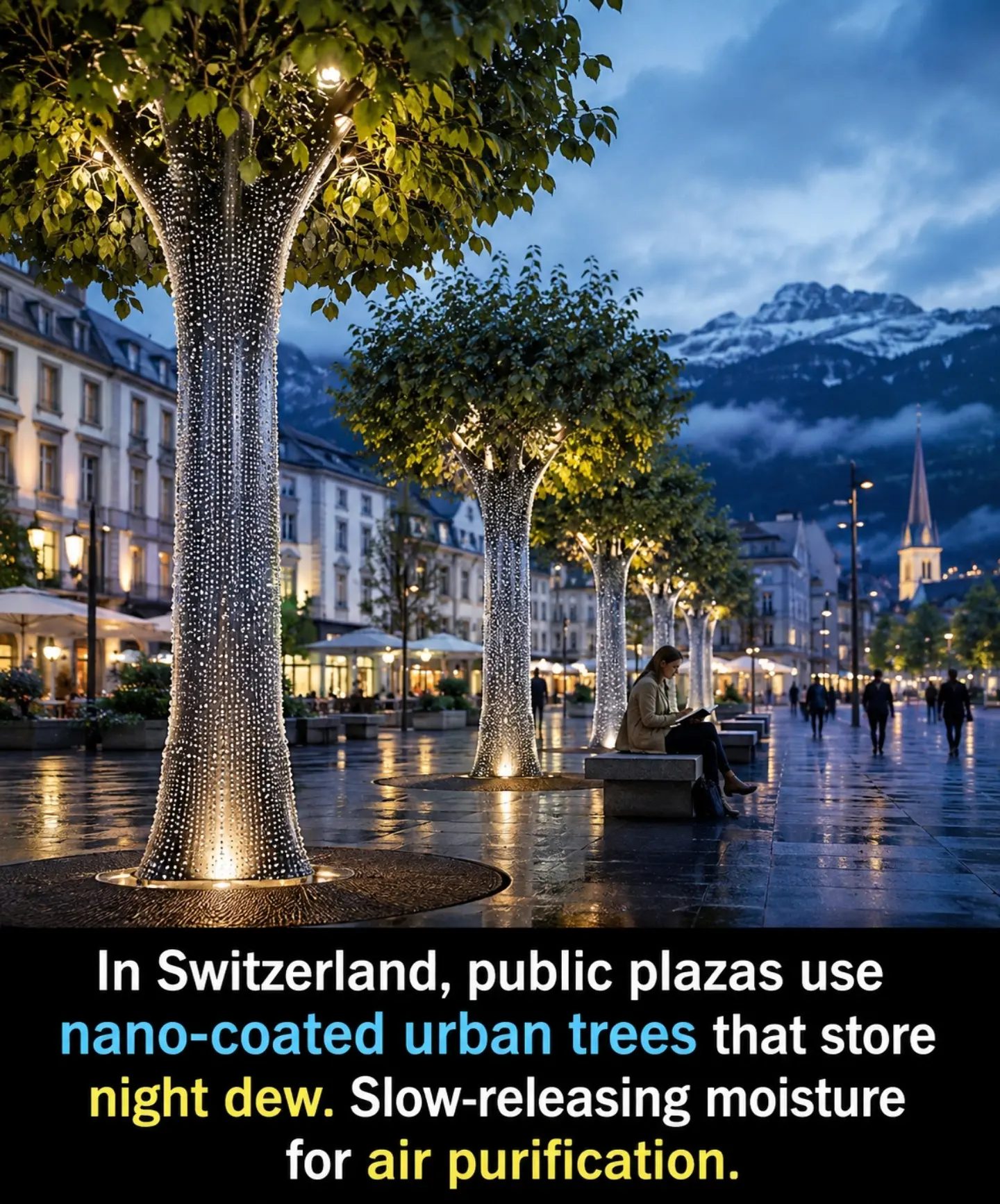
Urban Tree Technology is revolutionizing the way we approach air purification and urban greening. In Switzerland, public plazas are utilizing nano-coated urban trees that serve a dual purpose: enhancing the aesthetics of public spaces and improving air quality.
Context / Why this Matters
Public plazas in urban environments are often hotspots for air pollution. The concentration of vehicles, industrial activities, and other contaminants can lead to elevated levels of harmful particles and gases. This has significant implications for public health, contributing to respiratory issues and other health problems. The introduction of nano-coated urban trees in Swiss plazas represents a forward-thinking solution to combat these challenges.
Traditional methods of air purification, such as air filters and purifiers, often fall short in large, open spaces. These methods are typically limited in their reach and effectiveness, making them impractical for wide-scale urban applications. Nano-coated trees, on the other hand, offer a more integrated and sustainable approach.
Main Discussion
Nano-Coating Technology
The nano-coating applied to these urban trees is a sophisticated innovation. This coating is designed to capture and store night dew, which is then slowly released into the atmosphere over time. This process serves two critical functions: it purifies the air by trapping pollutants and it helps to maintain a more humid environment, which is beneficial for plant health and overall air quality.
The nano-coating also provides a protective layer for the trees, making them more resilient to environmental stressors such as pollution and extreme weather conditions. This durability ensures that the trees can continue to perform their dual role of beautifying urban spaces and purifying the air for extended periods.
How Nano-Coated Trees Work
The mechanism behind these nano-coated trees is both elegant and efficient. During the night, the trees absorb the moisture from the air in the form of dew. This moisture is then stored within the nano-coating layer. As the day progresses, the stored moisture is gradually released back into the atmosphere through a process called slow-release purification.
This gradual release of moisture not only helps in maintaining the humidity levels but also captures and neutralizes air pollutants. The nano-coating acts as a filter, trapping harmful particles and gases, and releasing clean, humid air.
Environmental and Health Benefits
The environmental benefits of these nano-coated urban trees are manifold. They help to reduce the concentration of airborne pollutants, thereby improving overall air quality. This has a direct impact on public health, reducing the incidence of respiratory diseases and other health issues associated with poor air quality.
Moreover, these trees contribute to the greening of urban spaces, providing a natural aesthetic that is both visually pleasing and beneficial for mental health. The presence of greenery in urban areas has been shown to reduce stress levels and improve the overall well-being of residents.
Practical Tips
For those interested in implementing similar solutions in their own communities, there are several practical tips to consider:
Choose the Right Trees
Not all tree species are suitable for nano-coating. It's essential to select trees that are known for their air-purifying abilities and resilience. Species such as the Ficus tree, known for its ability to absorb pollutants, and the Areca Palm, which releases moisture into the air, are excellent choices.
Opt for Professional Coating
Ensure that the nano-coating is applied by professionals to guarantee its effectiveness and durability. The application process involves specialized equipment and expertise to ensure that the coating is evenly applied and fully functional.
Regular Maintenance
Regular maintenance is crucial to ensure that the nano-coated trees continue to function optimally. This includes periodic checks to ensure that the coating is intact and not compromised. Additionally, pruning and watering should be done as needed to maintain the health of the trees.
Important Takeaways
- Nano-coated urban trees in Swiss plazas store night dew and slowly release moisture for air purification.
- The nano-coating provides protection and enhances the trees' air-purifying capabilities.
- This technology offers a sustainable and effective solution to urban air pollution.
- Choosing the right tree species, professional coating application, and regular maintenance are key to the success of this technology.
Conclusion
Nano-coated urban trees in Swiss plazas are a testament to the innovative solutions available for combating urban air pollution. By capturing night dew and releasing purified moisture, these trees not only beautify urban spaces but also contribute significantly to public health. As more cities look for sustainable ways to improve air quality, the adoption of such technologies will undoubtedly become more prevalent. Implementing similar solutions in other urban environments can lead to cleaner air and healthier communities.
Watch the Reel
Questions readers ask
What makes nano-coated trees effective in urban air purification?
Nano-coated trees enhance air purification by capturing and storing night dew, which is then released slowly. This process helps to cleanse the air, creating a healthier environment, and also shields the trees from environmental stressors. This innovative approach is highly effective in urban areas where air quality is a concern.
How do nano-coated trees benefit public plazas in Switzerland beyond air purification?
Nano-coated trees in Swiss plazas provide aesthetic appeal by improving the visual environment. They enhance the beauty of public spaces, making them more inviting for residents and visitors alike. Additionally, they offer a sustainable solution to urban greening, promoting a healthier atmosphere in city centers.
What role does night dew storage play in the functionality of nano-coated trees?
Night dew storage is a key feature of nano-coated trees. These trees capture and store moisture from night dew, which is gradually released, creating a cooling effect and maintaining plant health. This unique mechanism helps in sustaining the trees' air-purifying abilities and overall health.
How do nano-coated trees compare to traditional air purification systems?
Nano-coated trees offer a more natural and sustainable approach to air purification, integrating seamlessly into urban landscapes. Unlike traditional air purification systems, which can be expensive and energy-intensive, nano-coated trees provide a cost-effective solution that combines greenery with improved air quality.
What are the health implications of improved air quality in urban plazas?
Improved air quality in urban plazas leads to significant public health benefits. Reduced levels of harmful particles and gases mitigate respiratory issues and other health problems associated with air pollution, resulting in a healthier population.
How do nano-coated trees enhance the appearance of Swiss plazas at night?
The nano-coated trees, which store and release night dew, create a beautiful and serene atmosphere in Swiss plazas at night. The gentle release of moisture can create a pleasant environment, adding a unique and soothing element to the nighttime view of these urban spaces.
How does the nano-coating technology benefit tree health in urban environments?
The nano-coating provides a protective shield around the trees, safeguarding them from environmental stressors such as pollution and harsh weather conditions. This protective layer ensures the trees remain healthy, thereby sustaining their air-purifying capabilities for longer periods, contributing to a greener and cleaner urban environment.
Related deep dives
Similar reads based on topic and creator.

Recent articles
Fresh deep dives from the latest Reels we unpacked.




Comments
Be the first to comment.