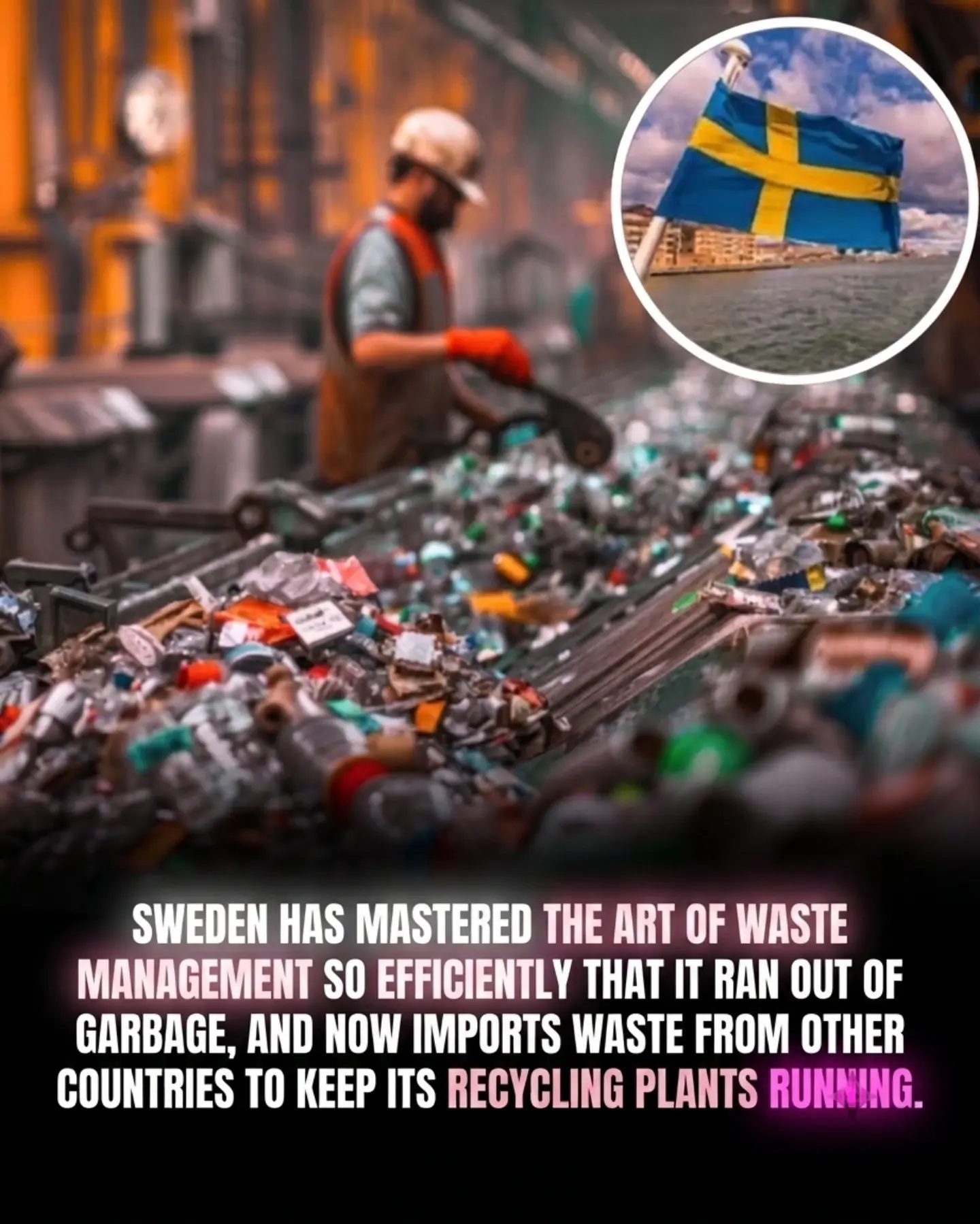
Sweden's Waste Management
Sweden has made remarkable strides in waste management. The country has optimized its recycling and waste-to-energy processes to such an extent that less than 1% of its household waste ends up in landfills. This efficiency has led to an unexpected outcome: Sweden has effectively run out of its own waste and now imports trash from other countries to keep its eco-plants running.
Why this matters
Sweden's approach to waste management highlights a successful model of sustainability and innovation. Understanding how Sweden has achieved this level of efficiency can provide insights for other countries aiming to reduce their environmental impact. Sweden’s model demonstrates that waste can be transformed into a valuable resource, driving a circular economy and reducing reliance on finite resources.
Main discussion
The Swedish waste management system
Sweden's waste management system is a shining example of how advanced recycling and waste-to-energy technologies can be implemented to create a sustainable future. Key components of this system include:
-
Recycling: Sweden has developed a robust recycling infrastructure that ensures over 99% of household waste is either recycled or converted into energy. The country's recycling rates are among the highest in the world, making it a leader in waste management efficiency.
-
Waste-to-Energy: Sweden's eco-plants play a crucial role in converting trash into clean energy. These plants use advanced technologies to burn waste, generating both electricity and heat for homes and businesses. This process not only reduces the volume of waste but also provides a renewable source of energy.
-
Importing Waste: Due to the high efficiency of its waste management systems, Sweden has had to import waste from neighboring countries to keep its eco-plants operational. This unique situation underscores the success of Sweden's recycling and energy production efforts and highlights the potential for other countries to adopt similar practices.
The benefits of Sweden's approach
Sweden's waste management model offers several benefits:
-
Environmental Impact: By reducing the amount of waste sent to landfills, Sweden significantly decreases its environmental footprint. Landfills are a major source of methane, a potent greenhouse gas, so minimizing waste in landfills contributes to lower emissions and cleaner air.
-
Energy Efficiency: The conversion of waste into energy provides a sustainable and cost-effective source of power. This reduces the reliance on fossil fuels and helps mitigate the effects of climate change.
-
Economic Benefits: The waste management system creates jobs and supports local economies. The recycling and waste-to-energy industries generate revenue and contribute to the overall economic stability of the country.
-
Innovation and Technology: Sweden's success in waste management has driven advancements in recycling and energy technologies. These innovations can be replicated and adapted by other countries looking to improve their waste management practices.
Practical tips
While Sweden's waste management system is highly efficient, there are practical steps that individuals and communities can take to reduce waste and enhance recycling efforts:
Implementing better recycling practices
-
Sorting Waste: Properly sorting waste into recyclables, compostables, and non-recyclables is essential. Make sure to follow local guidelines on what materials can be recycled.
-
Reducing Plastic Use: Reduce the use of single-use plastics by opting for reusable bags, bottles, and containers. This not only minimizes waste but also helps conserve resources.
-
Composting: Composting organic waste, such as food scraps and yard waste, can significantly reduce the amount of waste sent to landfills. Composting also creates a valuable nutrient-rich soil amendment for gardening.
Supporting waste-to-energy initiatives
-
Advocating for Policy Changes: Encourage local governments to invest in waste-to-energy plants and other sustainable waste management solutions. Support policies that promote the use of recycled materials and renewable energy sources.
-
Educating the Community: Raise awareness about the importance of recycling and waste-to-energy conversion. Organize community events, workshops, and educational programs to inform residents about best practices for waste management.
Innovations and Technologies
-
Investing in Recycling Technology: Support research and development in advanced recycling technologies. Innovations in waste sorting, processing, and energy conversion can further enhance the efficiency of waste management systems.
-
Encouraging Circular Economy: Promote the concept of a circular economy, where waste is minimized and resources are reused and recycled. This approach can lead to more sustainable practices and reduced environmental impact.
Important takeaways
Sweden's waste management system serves as a beacon of sustainability and innovation. By optimizing recycling and waste-to-energy conversion, the country has not only reduced its environmental impact but also created a valuable resource from waste. Key takeaways from Sweden's approach include:
-
The importance of investing in advanced recycling and waste-to-energy technologies.
-
The need for a comprehensive and efficient waste management system.
-
The benefits of a circular economy, where waste is minimized and resources are reused.
-
The potential for other countries to adopt similar practices and achieve significant environmental and economic gains.
Conclusion
Sweden's waste management success story offers a compelling model for sustainable waste management. By focusing on recycling, waste-to-energy conversion, and innovative technologies, the country has achieved remarkable results. Understanding and adopting elements of Sweden's approach can help other nations reduce their environmental impact, create a more sustainable future, and turn waste into a valuable resource.
Watch the Reel
Questions readers ask
How does Sweden manage to keep less than 1% of household waste in landfills?
Sweden achieves this through a combination of advanced recycling processes and waste-to-energy conversion. The country has invested in technology that allows it to recycle nearly all waste materials, and it uses the remaining waste to produce energy, thereby minimizing the need for landfills.
Why does Sweden import garbage from other countries?
Sweden imports garbage because its waste management system is so efficient that it has run out of its own waste to fuel its waste-to-energy plants. By importing garbage, Sweden can continue to produce clean energy and maintain its high level of waste management efficiency.
What is waste-to-energy conversion and how does Sweden use it?
Waste-to-energy conversion is a process that turns waste materials into usable energy, such as heat or electricity. Sweden uses this process to convert non-recyclable waste into energy, which is then used to power homes and businesses, reducing the country's dependence on fossil fuels.
What can other countries learn from Sweden's waste management model?
Other countries can learn about the importance of investing in recycling infrastructure and waste-to-energy technology. Sweden's model shows that with the right investments and policies, waste can be transformed into a valuable resource, driving a circular economy and reducing environmental impact.
How does Sweden's waste management approach contribute to a circular economy?
Sweden's waste management approach contributes to a circular economy by keeping resources in use for as long as possible. Through recycling and waste-to-energy conversion, Sweden minimizes waste and maximizes the use of materials, creating a loop where waste is continuously transformed into new resources.
What technologies does Sweden use for waste recycling?
Sweden employs a range of advanced technologies for waste recycling, including mechanical sorting, biological treatment, and advanced thermal treatment processes. These technologies enable the country to recycle nearly all waste materials, significantly reducing the amount of waste sent to landfills.
How does Sweden's waste management system benefit the environment?
Sweden's waste management system benefits the environment by reducing the amount of waste sent to landfills, which decreases greenhouse gas emissions and soil contamination. Additionally, by converting waste into energy, Sweden reduces its reliance on fossil fuels, further decreasing its carbon footprint.
Related deep dives
Similar reads based on topic and creator.




Recent articles
Fresh deep dives from the latest Reels we unpacked.




Comments
Be the first to comment.