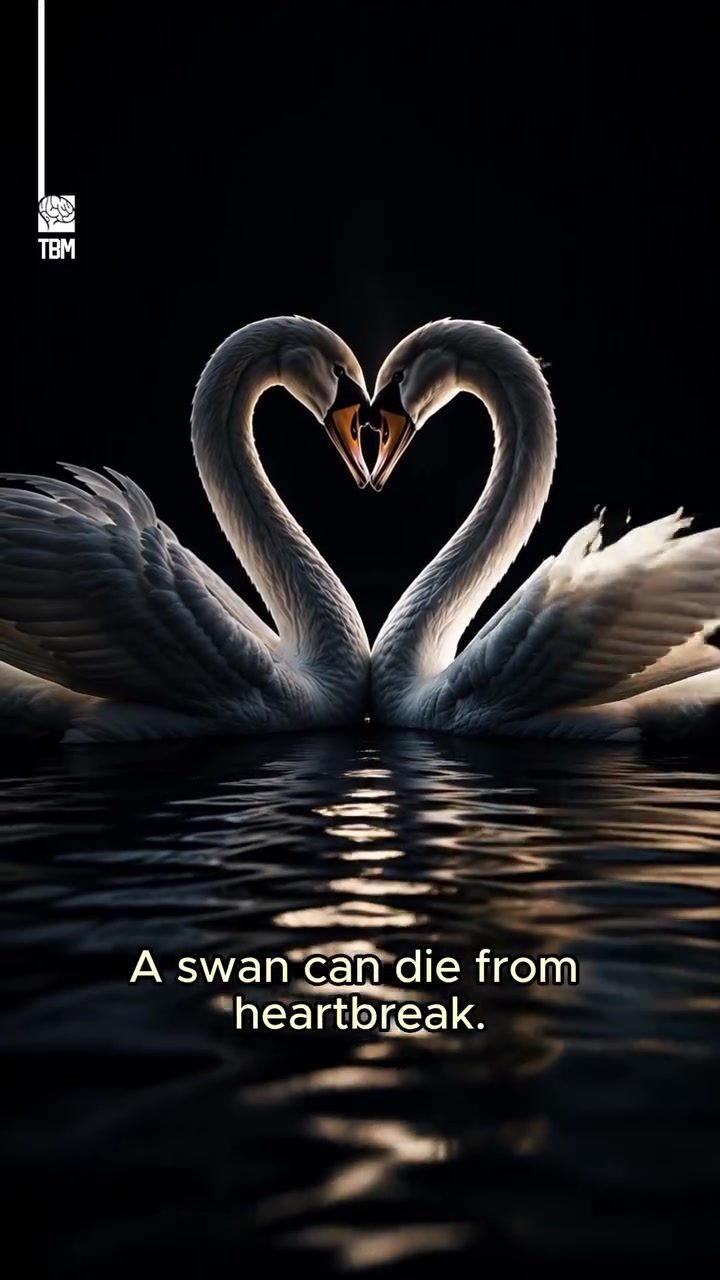
When Swans Experience Heartbreak
Swans are often celebrated for their graceful beauty and elegance, but their lives are also marked by profound emotional bonds that can have devastating consequences when disrupted. These birds are renowned for forming deep, lifelong pair bonds, and the loss of a mate can trigger a cascade of physiological and psychological responses that threaten the surviving swan's health and even its life.
Why This Matters
Understanding the impact of heartbreak on swans offers insights into the emotional depth and resilience of these birds. It also highlights the delicate balance between emotional well-being and physical health, a dynamic that extends beyond the avian world. By examining how swans cope—or fail to cope—with loss, we can gain a deeper appreciation for the complexities of grief and its far-reaching effects.
The Bond Between Swans
Swans are famous for their lifelong monogamous relationships. When one partner dies, the surviving swan can experience severe grief. This emotional turmoil is not merely a metaphor; it manifests in very real and dangerous ways. Swans often stop eating, lose energy, and isolate themselves from the flock. This behavior is a stark contrast to their usual social and active nature, and it sets the stage for a rapid decline in health.
The Physiological Impact of Grief
The stress of losing a mate can be overwhelming for a swan. Stress hormones surge through the body, weakening the immune system and disrupting normal physiological functions. Over time, this prolonged stress, combined with malnutrition, can cause the swan's health to deteriorate rapidly. The body begins to shut down, and the swan may ultimately succumb to the physical toll of its grief.
The Role of Isolation
Isolation is a critical factor in the decline of a grieving swan. These social creatures rely on their flock for support and companionship. When a swan withdraws from its social group, it loses not only emotional support but also the protective and collaborative benefits of group living. This isolation can exacerbate stress levels and further compromise the swan's health.
Prolonged Stress and Malnutrition
Prolonged stress and malnutrition form a vicious cycle that is difficult for the swan to break. The loss of appetite and energy, coupled with the physiological stress response, creates a situation where the swan's body is continually under strain. This prolonged state of distress weakens the immune system, making the swan more susceptible to diseases and infections.
Individual Variability
It is important to note that not every swan reacts to the loss of a mate in the same way. Some swans are more resilient and may be able to recover from their grief over time. The depth of the bond and the individual swan's coping mechanisms play a significant role in how they navigate this challenging period. For some, however, the loss is so devastating that it becomes physically life-threatening.
Practical Tips for Observing and Supporting Swans
While it is impossible to intervene directly in the lives of wild swans, there are ways to support their well-being and observe their behavior ethically:
Ethical Observation
If you encounter swans in their natural habitat, observe them from a distance to minimize stress. Use binoculars or a camera with a good zoom lens to get a closer look without disturbing the birds. Avoid approaching swans, especially during breeding season or when they are grieving.
Reporting Concerns
If you notice a swan that appears to be in distress, such as showing signs of severe isolation or lack of energy, it may be beneficial to report it to local wildlife conservation authorities. They can assess the situation and provide the necessary support, whether it be medical intervention or protection from potential threats.
Supporting Conservation Efforts
Supporting organizations that focus on swan conservation can also make a difference. These groups work to protect swan habitats, provide medical care for injured or ill swans, and conduct research to better understand their needs and behaviors.
Important Takeaways
The impact of heartbreak on swans is a poignant reminder of the deep emotional bonds that exist in the natural world. When a swan loses its lifelong mate, the grief can have profound physiological and psychological effects. Understanding these dynamics not only enhances our appreciation for these magnificent birds but also underscores the importance of supporting their well-being and conservation.
Conclusion
Swans are more than just symbols of grace and beauty; they are creatures with profound emotional depth and resilience. Their response to heartbreak offers a glimpse into the complexities of grief and the delicate balance between emotional and physical health. By understanding and respecting the emotional lives of swans, we can better appreciate and protect these remarkable birds.
Watch the Reel
Questions readers ask
How do swans typically react to the loss of a mate?
Swans often experience severe grief when they lose a mate. This can manifest as a complete loss of appetite, leading to malnutrition, and a withdrawal from their usual social groups, resulting in isolation. The emotional stress can negatively impact their overall health and resilience.
What are the physiological effects of heartbreak on swans?
The emotional stress of grief can significantly weaken a swan’s immune system, making them more susceptible to diseases. Additionally, the lack of proper nutrition due to loss of appetite can cause a decline in their physical health, exacerbating the effects of emotional distress.
Why do swans form such strong pair bonds?
Swans are known for their monogamous nature, forming strong, lifelong pair bonds that are crucial for their reproductive success and overall well-being. These bonds provide emotional support and enhance their chances of survival in the wild.
Can the effects of heartbreak on swans be reversed?
While the initial impact of heartbreak can be severe, some swans may eventually recover and even find new mates over time. However, the recovery process is often slow and depends on various factors, including the swan’s age, overall health, and local environmental conditions.
How does heartbreak affect a swan's behavior in the flock?
When a swan experiences heartbreak, it typically isolates itself from the rest of the flock, which can further exacerbate its emotional and physical decline. This isolation can lead to a vicious cycle, where the lack of social interaction and support hinders the swan's ability to cope with its loss.
What are the long-term effects of grief on a swan's health?
Prolonged grief can have lasting impacts on a swan’s health, including chronic malnutrition, weakened immune system, and increased risk of diseases. These long-term effects can significantly shorten a swan's lifespan, underscoring the importance of emotional well-being in their overall health.
Why is it important to study the emotional impact of heartbreak on swans?
Studying the effects of heartbreak on swans can provide valuable insights into the emotional and physiological responses of birds to loss. This knowledge can contribute to broader understanding of emotional stress and its implications for both avian and human health, emphasizing the interconnectedness of emotional and physical well-being.
Related deep dives
Similar reads based on topic and creator.



Recent articles
Fresh deep dives from the latest Reels we unpacked.




Comments
Be the first to comment.