Sushi Buffet Vomit Fee: Managing Overeating at All-you-can-eat Restaurants
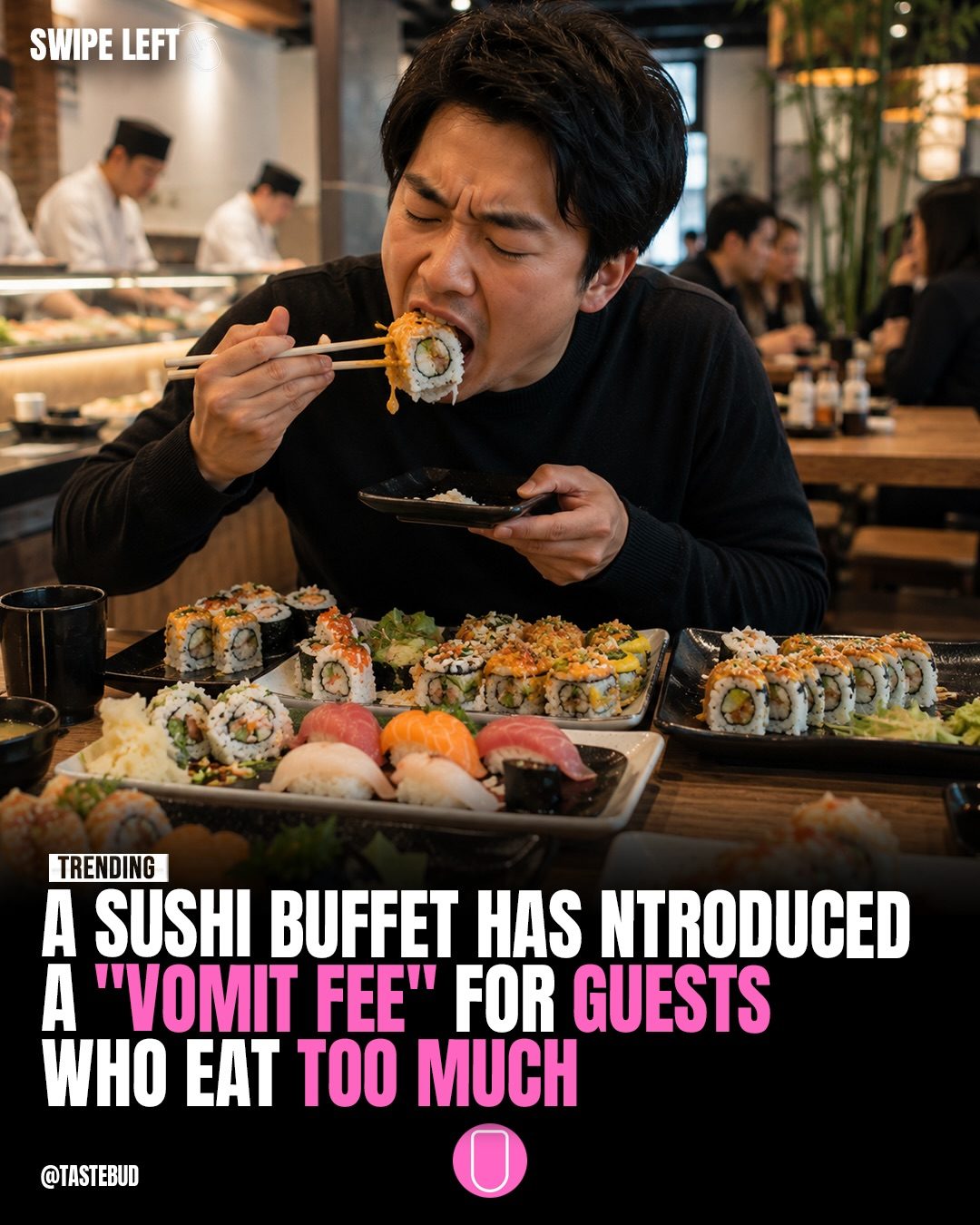
A sushi restaurant in Spain has recently gained attention for implementing a unique policy: a "vomit fee" for customers who overeat to the point of getting sick. This fee is part of a broader effort to maintain cleanliness and ensure a pleasant dining experience for all patrons. The restaurant has seen repeated incidents of customers overeating and vomiting, which has impacted hygiene and disrupted the experience for other diners.
Context: The Rise of All-you-can-eat Buffets
All-you-can-eat buffets have become increasingly popular in recent years, offering diners a wide variety of food options at a fixed price. These establishments can be found in various cuisines, from Mexican and Italian to Indian and, of course, Japanese sushi. The appeal lies in the opportunity to try multiple dishes without the pressure of ordering individual plates. However, this model can also lead to overeating, which can result in discomfort or illness for diners and additional challenges for restaurant management.
The Vomit Fee: Details and Intent
Why the Vomit Fee?
The sushi restaurant in Spain introduced the "vomit fee" in response to a series of incidents where customers overeated and subsequently vomited. This behavior not only created hygiene issues but also negatively impacted the dining experience for other guests. The fee serves as a deterrent, encouraging patrons to be mindful of their consumption and only order what they can comfortably finish.
How It Works
The fee is applied to customers who eat excessively and vomit during or after their meal. The exact amount of the fee is not specified, but it covers the additional cleaning and potential disruption caused by such incidents. The restaurant management has made it clear that this policy aims to maintain a clean and enjoyable environment for all diners.
The Role of Hygiene
Hydiene is a critical concern for any eatery, but it's especially important in all-you-can-eat buffets, where a wide variety of dishes are served and often handled by multiple diners. Vomiting incidents can contaminate shared surfaces, utensils, and even food, posing a health risk to other customers and staff. The vomit fee is a practical step to mitigate these risks by discouraging overindulgence.
Customer Perception
The introduction of such a fee has sparked a range of reactions. Some customers support the policy, recognizing the importance of maintaining a clean and pleasant dining environment. Others, however, view it as an unnecessary measure, arguing that it shifts the blame onto the customer for the restaurant's failure to manage portion sizes or offer healthier options.
Trends in All-you-can-eat Policies
The sushi restaurant in Spain is not the first to implement unconventional policies to manage overeating and waste. Similar measures are becoming more common in all-you-can-eat establishments worldwide. For instance, some Mexican buffets have introduced serving limits for certain dishes to curb overconsumption. Indian buffets have started charging extra for second helpings of popular items to encourage mindfulness in dining.
Practical Tips for Diners
Moderation is Key
Whether or not a vomit fee is in place, moderation is essential when dining at all-you-can-eat buffets. Here are some practical tips to help you enjoy your meal without overindulging:
- Start Small: Begin with smaller portions to gauge your appetite.
- Pace Yourself: Eat slowly and take breaks between courses.
- Avoid Overfilling: Be mindful of your body's signals and stop when you feel satisfied, not stuffed.
- Hydrate: Drink plenty of water throughout your meal.
Mindful Eating
Mindful eating involves being fully present and engaged with your food. It means paying attention to the taste, texture, and smell of each dish, as well as how your body responds to it. This approach can help you enjoy your meal more fully and avoid overeating.
Portion Control
Practicing portion control can help you manage your intake without feeling deprived. Here are a few strategies:
- Use Smaller Plates: Smaller plates can trick your brain into thinking you're eating more.
- Avoid High-calorie Dishes: Opt for lower-calorie, nutrient-dense options like vegetables, lean proteins, and whole grains.
- Listen to Your Body: Pay attention to your hunger and fullness cues and stop eating when you feel satisfied.
Important Takeaways
All-you-can-eat buffets offer a unique dining experience, but they also come with challenges, particularly around portion control and overconsumption. The introduction of a "vomit fee" by a sushi restaurant in Spain highlights the need for innovative solutions to maintain hygiene and ensure a pleasant dining experience.
Conclusion
In conclusion, the "vomit fee" policy at this sushi restaurant in Spain is a response to the challenges of managing overconsumption and maintaining hygiene in an all-you-can-eat setting. By encouraging mindful eating and portion control, diners can enjoy their meals while minimizing the risk of discomfort or illness. As buffets continue to evolve, it's essential for both customers and restaurant owners to work together to create a sustainable and enjoyable dining experience.
Watch the Reel
Questions readers ask
What is the purpose of the 'vomit fee' at the Spanish sushi buffet?
The 'vomit fee' is designed to discourage overeating and maintain a clean and pleasant dining environment. By charging customers who overeat to the point of vomiting, the restaurant aims to prevent hygiene issues and ensure a comfortable experience for all guests.
How does the 'vomit fee' work at the sushi buffet in Spain?
The 'vomit fee' is imposed on customers who consume excessive amounts of food and subsequently vomit. The fee is intended to deter this behavior and promote responsible dining habits to maintain the cleanliness of the establishment.
What are the potential benefits of such a policy for both the restaurant and its patrons?
The vomit fee policy can help the restaurant maintain a higher standard of cleanliness and hygiene. For patrons, it ensures a more pleasant dining experience by minimizing disruptions and unpleasant situations caused by overeating and vomiting.
Are there any other restaurants implementing similar policies?
As of now, the 'vomit fee' is unique to this particular sushi buffet in Spain. However, other restaurants may adopt similar measures in the future if they face comparable issues with overeating and cleanliness. For now, it stands as a novel approach to managing customer behavior.
How do Spanish dining etiquette rules apply to this situation?
Spanish dining etiquette generally encourages mindful eating and respect for the dining environment. The 'vomit fee' aligns with these principles by promoting responsible consumption and consideration for other patrons. It serves as a reminder to enjoy the meal without overindulging.
What measures can diners take to avoid incurring the 'vomit fee'?
Diners can avoid the 'vomit fee' by eating mindfully and pacing themselves. It's also helpful to be aware of portion sizes and to listen to their body's fullness cues. By doing so, guests can enjoy their meal without risking discomfort or additional charges.
Related deep dives
Similar reads based on topic and creator.




Recent articles
Fresh deep dives from the latest Reels we unpacked.




Comments
Be the first to comment.