Coconut Water and World War II
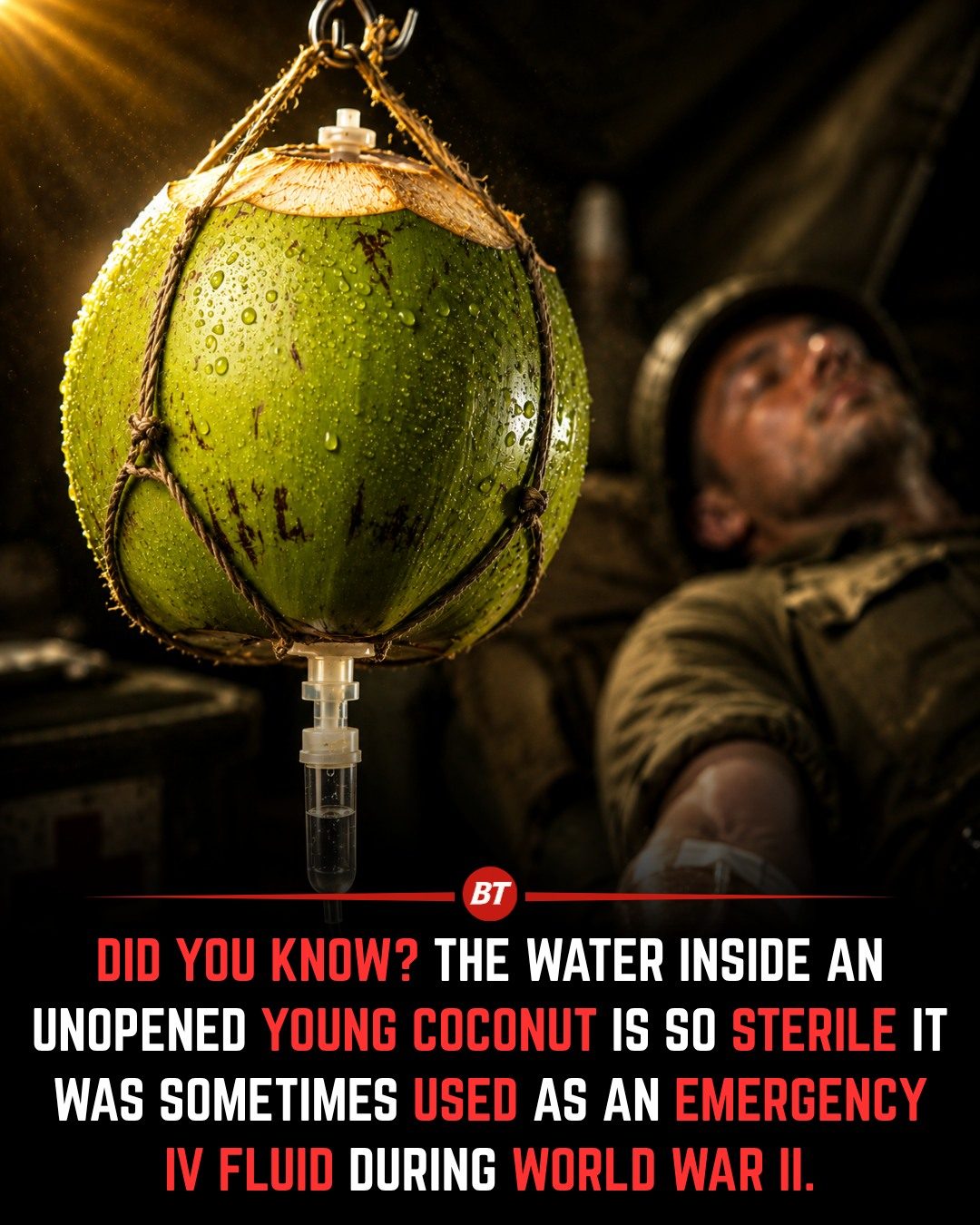
The liquid inside a young, unopened coconut is remarkably sterile, a fact that proved invaluable during World War II. During the war, doctors occasionally used coconut water as an emergency intravenous (IV) fluid when traditional IV solutions were scarce. This practice highlights the unique properties of coconut water and its role in medical history.
Why This Matters
Coconut water's natural sterility and composition make it a fascinating subject in both historical and contemporary contexts. Understanding its properties and historical uses can provide insights into both natural remedies and the evolution of medical practices. Although coconut water is not used in modern medicine, its historical role is a testament to its unique qualities.
The Sterility of Coconut Water
Natural Protection
The water inside a young, unopened coconut is naturally sterile. This is due to the coconut's protective outer layers, which shield the liquid from external contaminants. This natural sterility was a critical factor in its use as an emergency IV fluid. The liquid stays uncontaminated until the coconut is opened, ensuring its purity. The fact that the water remains uncontaminated even in harsh conditions, such as those encountered during wartime, makes it a remarkable natural resource.
Composition
Coconut water contains several key electrolytes that are essential for the human body. It is rich in water, potassium, sodium, calcium, magnesium, and natural sugars. This composition closely resembles the body's own fluids, making it a useful source of rehydration and, in extreme cases, a temporary IV fluid. The presence of these electrolytes helps maintain the body's fluid balance, which is essential for various physiological functions.
Coconut Water During World War II
Emergency IV Fluid
During World War II, hospitals and medical personnel often faced critical shortages of sterile saline and other IV solutions. In these dire situations, coconut water was sometimes used as an emergency IV fluid to save lives. The unopened, young coconuts were a reliable source of sterile fluid, and their use demonstrates the resourcefulness and innovation of medical professionals during wartime.
Historical Examples
Several historical accounts detail the use of coconut water as an emergency IV fluid. In isolated medical emergencies, doctors administered the liquid from young coconuts directly into patients' veins. These instances underscore the life-saving potential of coconut water in extreme circumstances. The practice, though rare and limited to emergency situations, highlights the adaptability of medical professionals when standard resources were unavailable.
The Role of Tropical Conditions
The tropical regions where coconuts are abundant often lacked access to sterile medical supplies. The availability of coconuts in these areas made them a practical and accessible alternative. The use of coconut water in these regions underscores its importance as a natural resource in remote or resource-limited settings.
Modern Medical Practices
Transition to Standardized IV Solutions
Today, modern medicine relies on precisely formulated IV solutions that are manufactured under strict medical standards. These solutions are designed to match the body's electrolyte balance and ensure safety. In contrast, coconut water, while naturally sterile, does not contain the exact composition needed for routine intravenous therapy.
Safety and Regulation
The use of coconut water as an IV fluid is not recommended in modern medical practice. The liquid lacks the precise electrolyte balance and sterility standards required for routine IV therapy. While it was a lifesaving option during World War II, it is not considered a safe or reliable method in contemporary healthcare.
Practical Tips
Hydration with Coconut Water
While coconut water is not used for intravenous therapy today, it remains a popular natural hydration source. Its electrolyte-rich composition makes it a beneficial drink for rehydration, especially after physical activity or in hot climates. Consuming coconut water can help replenish lost fluids and electrolytes, providing a refreshing and natural way to stay hydrated.
Choosing the Right Coconut
When selecting a coconut for consumption, look for young, unopened coconuts. The younger the coconut, the more nutritious and hydrating the water will be. Avoid coconuts with visible damage or cracks, as these may compromise the sterility of the water inside.
Preparing Coconut Water
To prepare coconut water for consumption, follow these steps:
- Select a Fresh Coconut: Choose a young, unopened coconut that feels heavy for its size, indicating plenty of water inside.
- Clean the Exterior: Wash the coconut thoroughly to remove any dirt or contaminants.
- Open the Coconut: Use a sharp knife or coconut opener to carefully puncture the top of the coconut. Be cautious to avoid injury.
- Pour and Enjoy: Drink the coconut water directly from the coconut or pour it into a glass. Avoid consuming the coconut meat if you are only interested in the water.
Important Takeaways
- The water inside an unopened, young coconut is naturally sterile, making it a valuable resource in emergency situations.
- During World War II, coconut water was sometimes used as an emergency IV fluid due to critical shortages of sterile saline.
- Coconut water contains essential electrolytes that closely resemble the body's fluids, aiding in rehydration.
- Modern medicine does not use coconut water for IV therapy due to the need for precise electrolyte balance and strict sterility standards.
- Coconut water remains a popular natural source of hydration, particularly after physical activity or in hot climates.
Conclusion
The use of coconut water as an emergency IV fluid during World War II is a testament to its natural sterility and composition. While modern medicine has moved beyond this practice, the historical significance of coconut water remains notable. Its unique properties make it a valuable resource for natural hydration, and understanding its composition can provide insights into both historical medical practices and contemporary health and wellness.
Watch the Reel
Questions readers ask
Why was coconut water used as an IV fluid during World War II?
During World War II, medical supplies were often scarce, and coconut water was used as an emergency IV fluid due to its natural sterility and electrolyte-rich composition, which helped replenish the body's essential minerals and maintain fluid balance.
How did doctors use coconut water as an IV fluid?
Doctors would extract the liquid from young, unopened coconuts and administer it directly into a patient's vein, using it as a temporary replacement for traditional IV solutions.
What are the benefits of coconut water that made it suitable for IV use?
Coconut water is rich in electrolytes like potassium, sodium, and magnesium, which are crucial for maintaining proper bodily functions. Its natural sterility also meant it could be used safely in emergency situations without the risk of contamination.
Is coconut water still used as an IV fluid today?
No, coconut water is not used as an IV fluid in modern medicine. Today, sterile and specifically formulated IV solutions are used to ensure safety and efficacy. However, its historical use is a testament to its unique properties.
Were there any risks associated with using coconut water as an IV fluid?
While coconut water was a lifesaver in emergencies, it is not a perfect substitute for modern IV solutions. It lacks certain nutrients and has a different electrolyte balance, which could potentially lead to imbalances if used long-term.
Related deep dives
Similar reads based on topic and creator.




Recent articles
Fresh deep dives from the latest Reels we unpacked.




Comments
Be the first to comment.