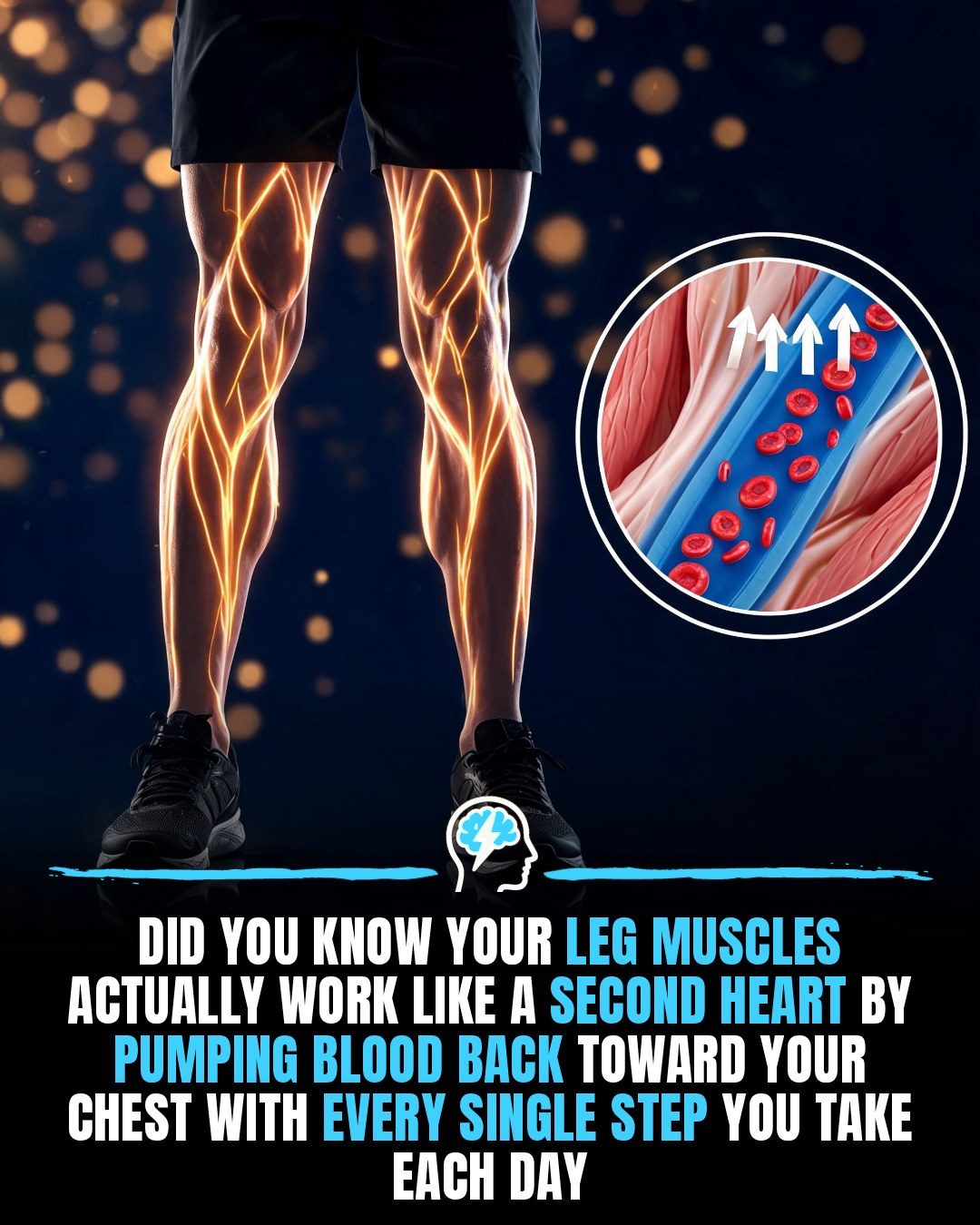
Leg Muscle Function
Leg muscles serve a crucial function in maintaining overall health and circulation. The often-overlooked role of your lower body muscles, especially those in your calves, is a vital component of your body's hydraulic system, acting as a backup pump for your circulation.
Why This Matters
Understanding the role of leg muscles in circulation is essential for maintaining overall health and vascular efficiency. Your legs, particularly your calves, act like a second heart, pumping blood back up to your chest with every step, helping your primary heart drive blood flow. This biomechanics not only assists in blood circulation but also reduces the risk of various circulatory issues.
Main Discussion
The Function of Leg Muscles in Circulation
Leg muscles are instrumental in assisting the heart in circulating blood throughout the body. When you take a step, your calf muscles contract, squeezing deep veins and pushing blood upward. This action is facilitated by tiny valves in the veins that prevent blood from flowing backward, ensuring a continuous upward flow towards the heart. This mechanism is often referred to as the "muscle pump."
Deep Veins and One-Way Valves
The muscle pump system relies on deep veins, surrounding muscles, and one-way valves. When you walk or flex your feet, your calf muscles squeeze the deep veins in your lower legs. This squeeze pushes blood upward. Tiny valves snap shut after each pulse, ensuring that blood cannot flow backward and is continually pushed towards the heart. This system is critical for maintaining efficient circulation, especially against gravity.
Why a Strong Calf Muscle Pump Matters
A strong calf muscle pump offers numerous benefits:
- Reduces the Risk of Blood Clots (DVT): By keeping blood flowing, the muscle pump helps prevent the formation of blood clots in the legs.
- Reduces Swelling and Fluid Retention: Efficient circulation minimizes fluid buildup in the legs, reducing swelling and discomfort.
- Takes Workload Off the Heart: The muscle pump assists the heart in circulating blood, reducing the strain on this vital organ.
- Improves Oxygen Delivery to Tissues: Efficient circulation ensures that oxygenated blood reaches all parts of the body, including vital organs and muscles.
The Cost of Sitting Still
When you sit for extended periods, the muscle pump goes quiet. Blood flow slows, and pressure builds in your veins, leading to stagnant blood. This stagnation is often behind varicose veins and chronic venous insufficiency. Prolonged sitting forces your heart to work harder, increasing the risk of circulatory issues and reducing overall efficiency.
Practical Tips
Getting Up and Moving
Regardless of your daily activities, whether you have a desk job or a long flight, incorporating simple movements can keep your circulation strong. Here are a few tips:
- Short Walks: Take a short walk every hour to keep your leg muscles engaged. This simple act can significantly improve circulation and reduce the risk of various circulatory issues.
- Seated Calf Raises: If you can't get up and move, try doing seated calf raises. This exercise engages your calf muscles and helps keep blood flowing.
- Ankle Rotations: Rotating your ankles is another effective way to keep your leg muscles active and circulation strong, especially during long periods of sitting.
Incorporating Movement into Daily Routines
Making movement a part of your daily routine does not require a major overhaul of your lifestyle. Small changes can make a significant difference:
- Standing Desk: If possible, use a standing desk to keep your leg muscles engaged throughout the day.
- Breaks: Take regular breaks to walk around, stretch, or do simple leg exercises.
- Frequent Stops: If you're on a long flight or road trip, make frequent stops to walk and stretch your legs.
Important Takeaways
Maintaining strong leg muscles, particularly in the calves, is essential for efficient circulation. The muscle pump system, facilitated by deep veins and one-way valves, assists the heart in circulating blood and reducing the risk of various circulatory issues. Incorporating simple movements into your daily routine can significantly improve circulation and overall health.
Conclusion
Your legs are more than just a means of locomotion; they play a crucial role in maintaining your body's circulatory system. By understanding and leveraging the muscle pump system, you can improve your circulation, reduce the risk of various health issues, and enhance overall well-being. Make movement a part of your daily routine, and your legs will thank you.
Watch the Reel
Questions readers ask
What is meant by the term 'second heart' in relation to leg muscles?
The term 'second heart' refers to the role of the leg muscles, particularly the calves, which act as a secondary pump to help circulate blood back to the heart. This action complements the primary heart's function, enhancing overall circulation and reducing the risk of circulatory issues.
How do leg muscles aid in blood circulation?
Leg muscles, especially those in the calves, contract and relax with each step, acting like a pump to drive blood back up towards the heart. This mechanical action helps to maintain steady blood flow and reduces the likelihood of blood pooling in the lower extremities.
What are some exercises that can help improve leg muscle pump function?
Exercises that strengthen the calf muscles and promote lower leg circulation are particularly beneficial. These include calf raises, walking, running, cycling, and any activities that involve pushing off with the toes. Consistency in these exercises can enhance the leg muscle pump and overall vascular health.
Why is maintaining calf muscle strength important for vein health?
Calf muscle strength is crucial for vein health because strong calves can effectively pump blood back to the heart, preventing blood from stagnating in the veins. This continuous movement helps to reduce the risk of conditions like varicose veins and blood clots, thereby promoting better vein health.
What are some benefits of enhancing blood flow in the legs?
Enhancing blood flow in the legs through muscle activity aids in reducing swelling, preventing blood clots, and improving overall vascular health. Additionally, improved circulation can alleviate symptoms of poor leg vein circulation, such as heaviness and fatigue, and may even reduce the risk of varicose veins.
Related deep dives
Similar reads based on topic and creator.



Recent articles
Fresh deep dives from the latest Reels we unpacked.




Comments
Be the first to comment.