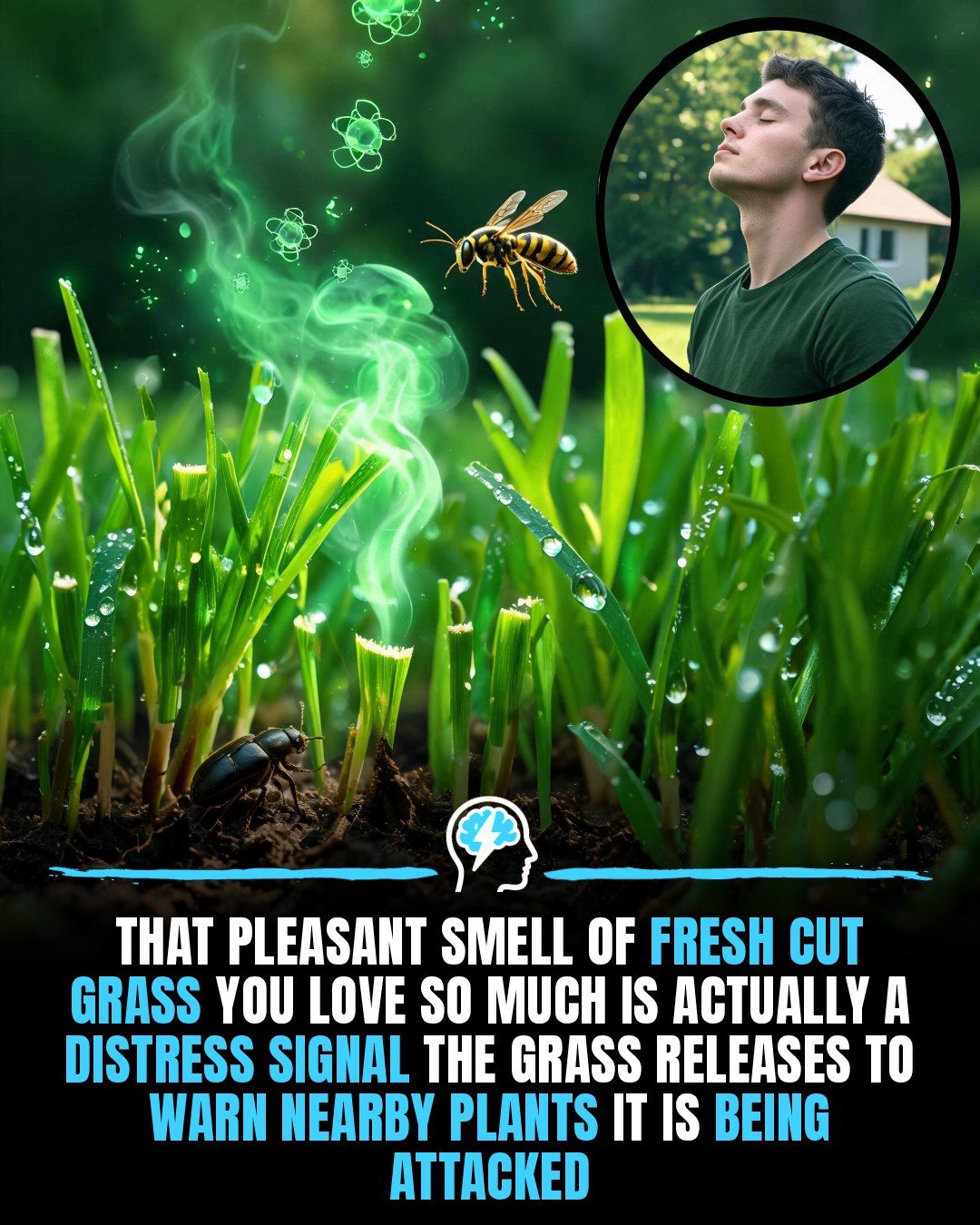
Freshly cut grass emits a smell that many find pleasant and nostalgic. However, this aroma is more than just a pleasant scent — it's a distress signal. When grass is cut, it releases chemicals known as green leaf volatiles (GLVs). These chemicals serve as an SOS, alerting nearby plants to potential danger.
Grass releases this signal to protect itself and the surrounding plants. The scent not only warns nearby plants of the threat but also triggers a series of defensive mechanisms. The affected plants respond by producing toxins to make their leaves taste worse to pests. They also thicken their cell walls and redirect nutrients to their roots for better protection. This coordinated response helps to safeguard the plants from further damage.
The chemical signals released by the grass do more than just alarm nearby plants; they also attract beneficial predators. Certain blends of GLVs act as a beacon, drawing in predators that feed on the pests attacking the grass. For example, some plants emit scents that attract parasitic wasps, which lay their eggs inside caterpillars chewing on the leaves. This biological control method helps to manage pest populations naturally.
Plants lack the ability to flee from danger, so they rely on chemical communication to defend themselves. This intricate system of signals allows them to call for help from other organisms in the ecosystem. By doing so, plants can fend off pests and recover from damage more effectively.
Why This Matters
Understanding the chemistry behind the scent of freshly cut grass offers valuable insights into the complex world of plant communication. This knowledge can be applied to various fields, including agriculture and environmental science. For instance, harnessing the power of green leaf volatiles could lead to the development of natural pest control methods, reducing the need for synthetic pesticides.
In landscaping and gardening, this information can help in creating more robust and resilient gardens. By recognizing the distress signals emitted by plants, gardeners can better understand their plant's needs and respond more effectively to potential threats.
Plant Defense Mechanisms
Toxin Production
When grass releases GLVs, neighboring plants detect these chemicals and respond by producing toxins. These toxins make the leaves less palatable to pests, reducing the likelihood of further attacks. This defense mechanism is crucial for plants, as it helps them survive in environments with limited resources and high levels of competition.
Cell Wall Thickening
In addition to producing toxins, plants also strengthen their cell walls in response to the distress signal. Thicker cell walls make it more difficult for pests to penetrate and feed on the plant. This structural reinforcement is an essential part of the plant's defense strategy, enhancing its resilience to physical damage.
Nutrient Redirection
The chemical signals also prompt plants to redirect nutrients to their roots, a critical area for water and nutrient absorption. By prioritizing root health, plants can better withstand stress and recover from damage more quickly. This adaptive response ensures the plant's long-term survival, even in the face of adversity.
Predator Attraction
The scent of freshly cut grass doesn't just serve as a warning to nearby plants; it also attracts predators that can help control pest populations. Certain blends of GLVs act as a magnet, drawing in beneficial insects and other organisms that feed on pests. This natural form of pest control can be highly effective and environmentally friendly, promoting a healthy balance within the ecosystem.
Parasitic Wasps
One of the most fascinating aspects of plant defense is the ability to attract parasitic wasps. These wasps lay their eggs inside caterpillars, effectively using the pests as hosts for their offspring. This biological control method helps to manage pest populations without the need for harmful chemicals.
Parasitic wasps play a crucial role in maintaining the health of gardens and crops. By naturally controlling pest populations, these beneficial insects contribute to a sustainable and balanced ecosystem. Gardeners and farmers can capitalize on this natural defense by creating habitats that attract and support parasitic wasps.
Predatory Insects
In addition to parasitic wasps, other predatory insects are also drawn to the chemical signals released by plants under stress. These insects feed on pests, helping to reduce their numbers and protect the plants from further damage. By fostering a diverse ecosystem, gardeners can create a natural pest control system that supports the health and vitality of their plants.
Recovery and Resilience
After experiencing stress, plants must recover and rebuild their defenses. The chemical signals released during the initial attack also trigger new cell growth, helping to seal off any cuts or wounds. This process prevents infection and water loss, promoting faster healing and recovery.
Some studies suggest that plants may retain a form of chemical memory, allowing them to react more quickly to future threats. This adaptive response enhances the plant's resilience, ensuring its survival in challenging environments.
Practical Tips
To harness the power of plant distress signals in your garden, consider the following practical tips:
Encourage Beneficial Insects
Create a habitat that attracts predatory and parasitic insects. Planting flowers and herbs can provide food and shelter for these beneficial creatures. This approach promotes a balanced ecosystem and helps control pest populations naturally.
Promote Plant Diversity
A diverse garden supports a broader range of beneficial insects and microorganisms. By planting a variety of species, you can create a resilient ecosystem that is better equipped to handle pests and diseases.
Use Natural Fertilizers
Natural fertilizers and compost enrich the soil, making it healthier and more resistant to pests. This approach promotes plant health and resilience, reducing the risk of damage and disease.
Important Takeaways
Freshly cut grass emits a scent that serves multiple purposes beyond its pleasant aroma. This scent is a distress signal that plants use to communicate danger to nearby plants and attract predators. Understanding this chemical communication system can help in developing more effective pest control strategies and promoting a healthier, more resilient ecosystem.
Enhanced Pest Control
By harnessing the power of green leaf volatiles, gardeners can develop natural pest control methods that are effective and environmentally friendly. This approach can help reduce the need for synthetic pesticides, promoting a healthier and more sustainable ecosystem.
Improved Plant Health
Recognizing and understanding plant distress signals is crucial for maintaining plant health. By responding to these signals, gardeners can better support their plants, ensuring their long-term survival and resilience.
Conclusion
The scent of freshly cut grass is more than just a pleasant aroma; it's a critical component of plant communication. By understanding and harnessing this chemical language, gardeners and environmental scientists can develop more effective strategies for pest control and plant health. This knowledge contributes to a more sustainable and holistic approach to gardening and environmental stewardship.
Watch the Reel
Questions readers ask
Why does freshly cut grass smell so good?
The pleasant smell of freshly cut grass is due to chemicals called green leaf volatiles (GLVs) that the grass releases as a distress signal. These chemicals are part of the plant's defense mechanism and are often perceived as pleasant by humans.
What is the purpose of the smell released by freshly cut grass?
The smell released by freshly cut grass serves as a distress signal, or SOS, to warn nearby plants of potential danger. It helps to trigger defensive responses in the surrounding plants, enhancing their resistance against pests and environmental threats.
How do plants respond to the chemical signals from freshly cut grass?
Plants respond to the chemical signals from freshly cut grass by activating their own defense mechanisms. This can include producing toxins to deter pests, thickening cell walls, and redirecting nutrients to strengthen their roots.
What are beneficial predators and how do they help the plants?
Beneficial predators are insects and other organisms that prey on pests that could harm the plants. The chemical signals released by freshly cut grass can attract these beneficial predators, helping to control pest populations and protect the plants from damage.
What are green leaf volatiles (GLVs) and why do they matter?
Green leaf volatiles (GLVs) are chemicals released by plants, including grass, when they are damaged. These chemicals act as a form of communication, alerting other plants to danger and triggering defensive responses. GLVs are also partly responsible for the characteristic smell of freshly cut grass.
Can other plants besides grass release chemical signals when damaged?
Yes, many plants release chemical signals when damaged, similar to how grass releases green leaf volatiles. These signals serve as distress calls to alert nearby plants and attract beneficial predators. This communication helps in the overall defense and survival strategy of the plant community.
Related deep dives
Similar reads based on topic and creator.




Recent articles
Fresh deep dives from the latest Reels we unpacked.




Comments
Be the first to comment.