The Nutritional Powerhouse of Roasted Watermelon Seeds
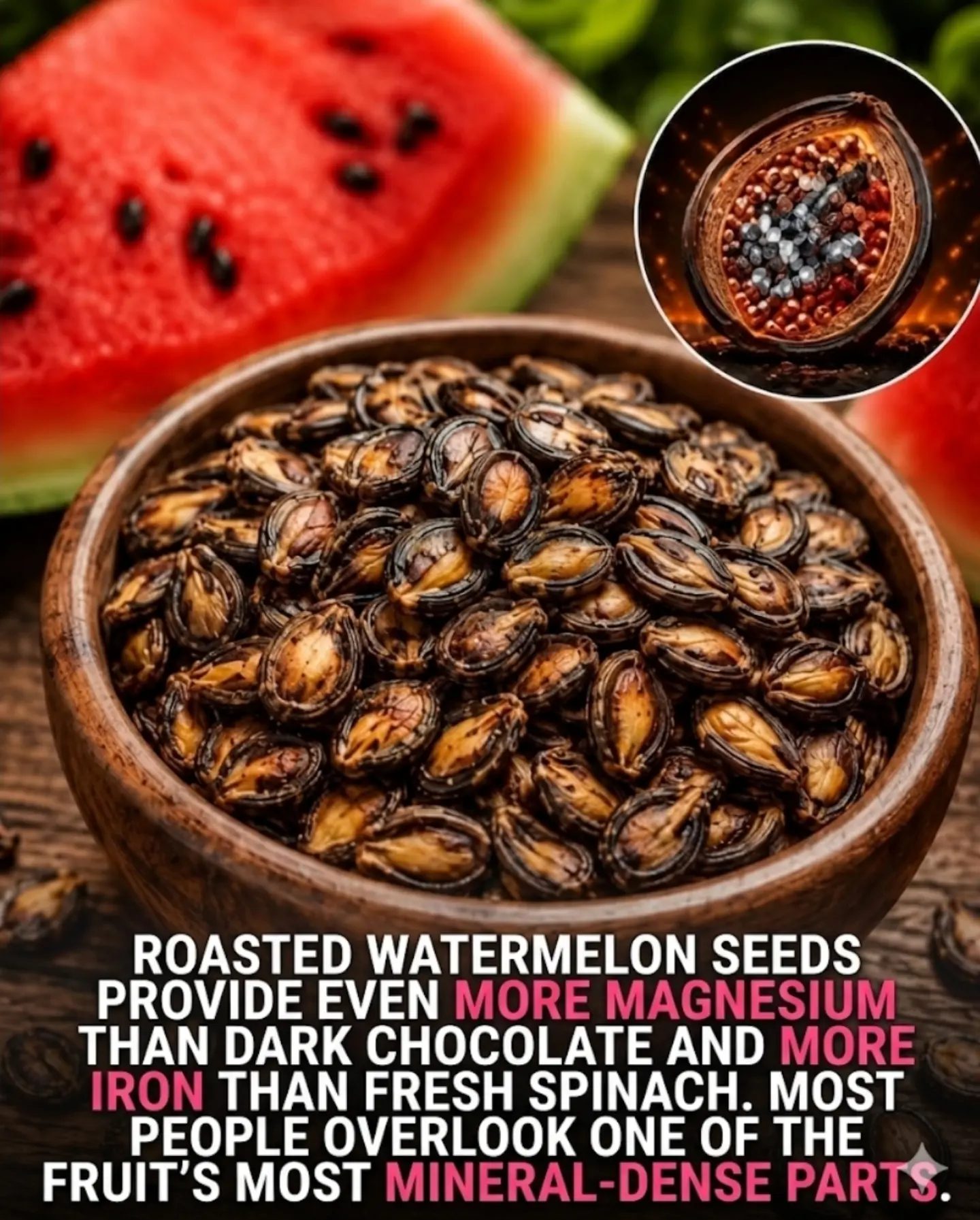
Watermelon seeds, often discarded as waste, are a hidden gem of nutrition. These tiny seeds are not just a byproduct of enjoying a juicy watermelon; they are a highly potent source of essential minerals. Roasted watermelon seeds offer higher concentrations of magnesium than dark chocolate and more iron than fresh spinach, making them a valuable addition to a balanced diet.
Why This Matters
Incorporating roasted watermelon seeds into your diet can provide numerous health benefits. These seeds are rich in magnesium and iron, two critical minerals that support various bodily functions. Magnesium is essential for metabolic function, while iron plays a crucial role in oxygen transport and overall cellular health. By recognizing the dietary value of these seeds, you can minimize food waste and enhance your nutritional intake.
Main Discussion
The Nutritional Profile of Watermelon Seeds
Watermelon seeds are remarkably mineral-dense. They contain higher levels of magnesium and iron, both of which are vital for maintaining optimal health.
Magnesium Content
Magnesium is a mineral that plays a key role in over 300 biochemical reactions in the body. It is essential for muscle and nerve function, blood glucose control, and blood pressure regulation. Roasted watermelon seeds provide more magnesium than dark chocolate, making them an excellent plant-based source of this critical mineral.
Iron Content
Iron is another essential mineral found in watermelon seeds. It is crucial for the production of hemoglobin, a protein in red blood cells that transports oxygen throughout the body. Watermelon seeds contain more iron than fresh spinach, making them a superior source of this mineral for those looking to boost their iron intake.
Health Benefits of Roasted Watermelon Seeds
The high content of magnesium and iron in roasted watermelon seeds offers several health benefits. These include improved metabolic function, enhanced oxygen transport, and overall better cellular health.
Improved Metabolic Function
Magnesium is involved in numerous metabolic processes, including the breakdown of glucose and the synthesis of proteins and fats. By consuming roasted watermelon seeds, you can support your body's metabolic function and ensure that these processes run smoothly.
Enhanced Oxygen Transport
Iron is a key component of hemoglobin, which carries oxygen from the lungs to the rest of the body. Adequate iron intake is essential for maintaining healthy blood cells and preventing anemia. Roasted watermelon seeds provide a rich source of iron, helping to support oxygen transport and overall cellular health.
Overall Cellular Health
The combination of magnesium and iron in roasted watermelon seeds supports various cellular functions. Magnesium is involved in DNA and RNA synthesis, protein synthesis, and muscle and nerve function. Iron, on the other hand, is essential for the production of hemoglobin and the transport of oxygen. By incorporating roasted watermelon seeds into your diet, you can support overall cellular health and well-being.
Practical Tips
How to Incorporate Roasted Watermelon Seeds into Your Diet
If you're ready to reap the benefits of roasted watermelon seeds, here are some practical tips to incorporate them into your diet:
Roasting Watermelon Seeds at Home
Roasting watermelon seeds at home is a simple process. First, rinse the seeds and pat them dry. Then, spread them evenly on a baking sheet and roast in the oven at 350°F (175°C) for about 15-20 minutes. Keep an eye on them to prevent burning, and stir them occasionally for even roasting. Once they're golden brown, let them cool before enjoying.
Adding Roasted Watermelon Seeds to Your Meals
You can add roasted watermelon seeds to a variety of dishes, such as salads, trail mix, or even baked goods. They add a nutty flavor and a crunchy texture, making them a versatile ingredient in the kitchen.
Using Watermelon Seeds in Recipes
For a more unique approach, try using watermelon seeds in your recipes. You can grind them into a powder and use it as a coating for meats or as a thickener in sauces. The possibilities are endless, and experimenting with this nutritious ingredient can add a new dimension to your cooking.
Important Takeaways
Watermelon seeds are a valuable source of essential minerals, particularly magnesium and iron. These seeds offer numerous health benefits, including improved metabolic function, enhanced oxygen transport, and overall better cellular health. By incorporating roasted watermelon seeds into your diet, you can take advantage of their nutritional value and minimize food waste.
Conclusion
Don't overlook the nutritional powerhouse that is the watermelon seed. Whether you roast them at home or add them to your favorite recipes, these seeds are a fantastic way to boost your intake of magnesium and iron. By recognizing their dietary value, you can make a positive impact on your health and the environment. Embrace the joy of a whole food, zero-waste lifestyle with the simple act of keeping these seeds and eating them.
Watch the Reel
Questions readers ask
What minerals are most abundant in roasted watermelon seeds?
Roasted watermelon seeds are particularly rich in magnesium and iron. These minerals are essential for various bodily functions, including metabolic processes and oxygen transport.
How does the magnesium content in roasted watermelon seeds compare to dark chocolate?
Roasted watermelon seeds contain higher concentrations of magnesium than dark chocolate, making them an excellent choice for boosting your magnesium intake.
How much iron do roasted watermelon seeds contain compared to spinach?
Roasted watermelon seeds provide more iron than fresh spinach, making them a valuable addition to a balanced diet for those looking to increase their iron intake.
What are the health benefits of consuming magnesium from roasted watermelon seeds?
Magnesium from roasted watermelon seeds supports metabolic function, muscle and nerve function, blood sugar control, and blood pressure regulation. It also contributes to the production of protein, bone, and DNA.
Can roasted watermelon seeds be a good source of iron for vegetarians and vegans?
Yes, roasted watermelon seeds can be a beneficial source of iron for vegetarians and vegans, as they contain more iron than many other plant-based foods, such as fresh spinach.
How can I incorporate roasted watermelon seeds into my daily diet?
You can easily incorporate roasted watermelon seeds into your daily diet by sprinkling them on salads, adding them to trail mixes, or enjoying them as a standalone snack. They can also be used as a topping for oatmeal or yogurt.
What's the best way to roast watermelon seeds at home?
To roast watermelon seeds at home, first rinse and dry them thoroughly. Toss the seeds in a bit of oil and spread them on a baking sheet. Roast in the oven at 350°F (175°C) for 10-15 minutes, or until golden brown. Stir them occasionally to ensure even roasting.
Related deep dives
Similar reads based on topic and creator.



Recent articles
Fresh deep dives from the latest Reels we unpacked.




Comments
Be the first to comment.