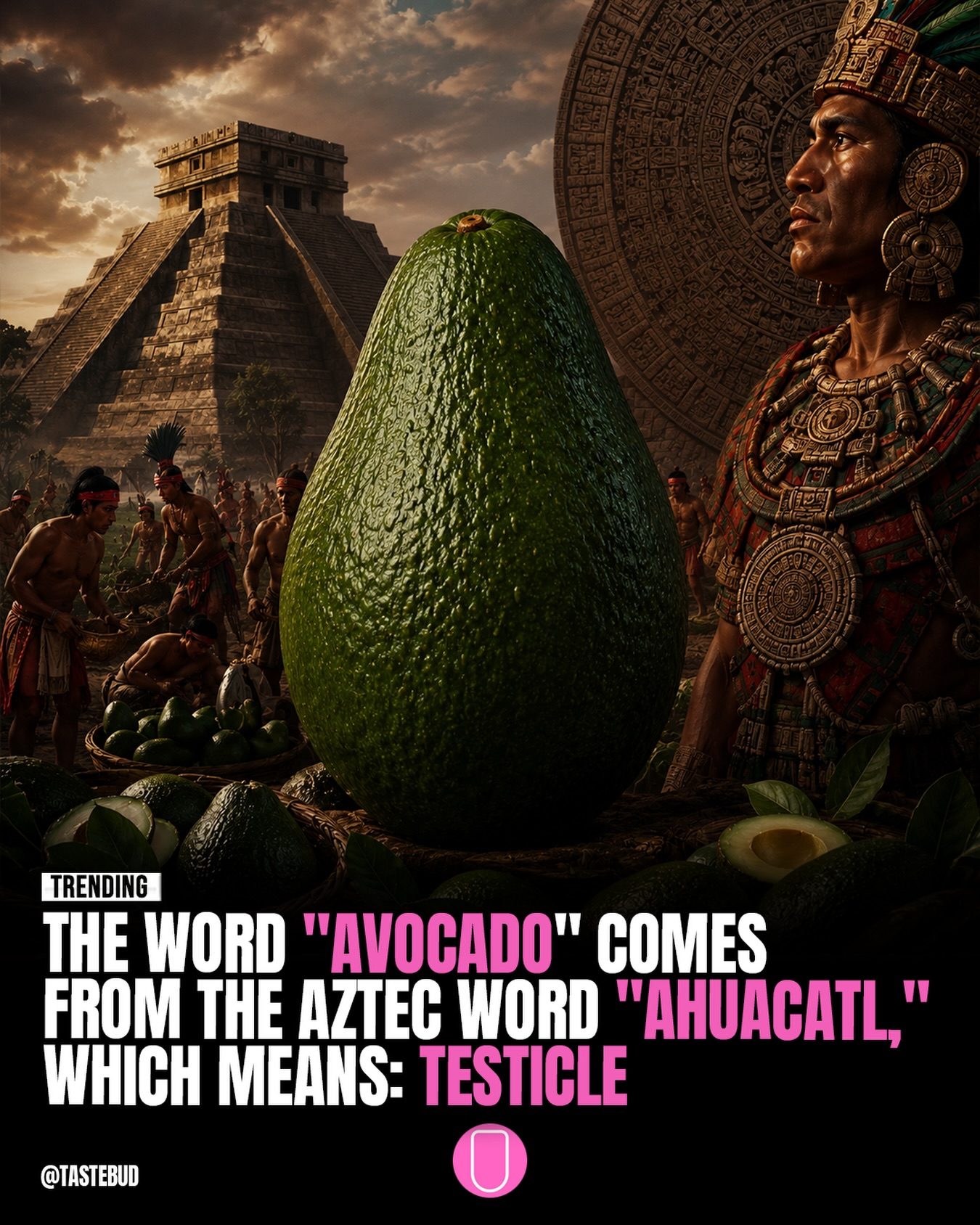
The Fascinating Origin of the Word 'Avocado'
Avocados, beloved for their creamy texture and nutritional value, have a rich history that dates back to ancient civilizations. The word 'avocado' itself has intriguing origins, deeply rooted in the Nahuatl language spoken by the Aztecs. Let's delve into the etymology of this popular fruit and explore its cultural significance.
Why This Matters
Understanding the origin of the word 'avocado' offers more than just a linguistic curiosity. It provides insight into the cultural and historical context of the fruit, connecting modern consumers to the ancient civilizations that first cultivated and cherished it. This knowledge enriches the appreciation for avocados beyond their culinary uses, highlighting their enduring legacy.
The Etymology of Avocado
The word 'avocado' has a fascinating journey through different languages and cultures. It all starts with the Nahuatl term 'ahuacatl,' the ancient Aztec word from which 'avocado' is derived.
From 'Ahuacatl' to 'Avocado'
The Nahuatl word 'ahuacatl' is often translated to mean 'testicle.' This might seem surprising, but the term likely refers to the fruit's shape and the way it grows, hanging in pairs from the tree. The Aztecs saw this resemblance and incorporated it into their language, giving birth to the term 'ahuacatl.'
Spanish Influence
Spanish explorers, upon encountering the fruit in Mesoamerica, adapted the Nahuatl term into 'aguacate.' This adaptation was a natural linguistic evolution as the Spanish language absorbed elements from the indigenous languages they encountered during their conquests.
Evolution into English
As Spanish influence spread across the globe, so did the word 'aguacate.' Over time, it evolved into 'avocado' in English, a term now recognized worldwide. The transition from 'ahuacatl' to 'aguacate' and finally to 'avocado' illustrates the linguistic journey of the fruit, reflecting the cultural exchanges that occurred between ancient and modern civilizations.
Cultural Significance of the Avocado
The avocado's cultural significance extends beyond its etymology. The fruit has been an essential part of Mesoamerican diets for thousands of years, valued not only for its taste but also for its nutritional benefits.
Aztec Cultivation and Use
The Aztecs cultivated avocados extensively, incorporating them into their diet and rituals. The fruit was considered a symbol of fertility and abundance, reflecting its connection to life and growth. The term 'ahuacatl' itself was part of a deeper cultural understanding of the natural world, highlighting the Aztecs' reverence for nature and its bounty.
Modern Culinary Uses
Today, avocados are a staple in many cuisines around the world. From avocado toast to guacamole, the fruit's versatility has made it a favorite among chefs and food enthusiasts. Its rich, creamy texture and mild flavor make it a perfect ingredient for a variety of dishes, from savory to sweet.
Practical Tips for Enjoying Avocados
Avocados are not only delicious but also packed with health benefits. Here are some practical tips for enjoying avocados to their fullest.
Selecting the Perfect Avocado
When choosing an avocado, look for one that yields slightly to gentle pressure but is not too soft. A ripe avocado should have a slightly firm but not hard feel, indicating it is ready to be eaten. This ensures you get the best texture and flavor.
Storing Avocados
To extend the shelf life of your avocados, store them in the refrigerator once they reach the desired ripeness. Refrigeration slows down the ripening process, keeping the avocado fresh for longer.
Using Avocados in Cooking
Avocados can be used in a wide range of dishes, from salads to sandwiches. Their mild flavor makes them a great addition to any meal. For a quick and easy recipe, try making guacamole by mashing avocado with lime juice, salt, and chopped cilantro. This classic dip pairs well with tortilla chips or veggies.
Incorporating Avocados into a Balanced Diet
Avocados are an excellent source of healthy fats, fiber, and various vitamins and minerals. Incorporating them into your diet can help improve overall health and well-being. Consider adding avocado to your morning smoothie, spreading it on toast, or using it as a base for a creamy salad dressing.
Important Takeaways
The journey of the word 'avocado' from 'ahuacatl' to its modern form is a testament to the rich cultural and linguistic exchanges that have shaped our understanding of this beloved fruit. By appreciating its origins, we gain a deeper connection to the ancient civilizations that first cultivated it and a greater appreciation for the fruit's enduring legacy.
Conclusion
The history of the avocado is a tapestry of cultural and linguistic evolution, reflecting the deep roots of ancient civilizations and their impact on modern times. Understanding the origins of the word 'avocado' adds a new layer of appreciation for this versatile and nutritious fruit, enriching our culinary experiences and deepening our connection to history.
Watch the Reel
Questions readers ask
What does the word 'avocado' mean in its original Nahuatl form?
The word 'avocado' comes from the Nahuatl term 'ahuacatl,' which translates to 'testicle' in reference to the fruit's shape.
Why did the Aztecs name the avocado 'ahuacatl'?
The Aztecs named the avocado 'ahuacatl' due to its perceived resemblance to male testicles, reflecting their observations of the fruit's shape and form.
How did the term 'ahuacatl' evolve into 'avocado'?
The transition from 'ahuacatl' to 'avocado' involved Spanish conquistadors who adapted the Nahuatl term to 'aguacate' and later Anglos altered it further to 'avocado'.
What is the significance of the avocado's cultural history?
The avocado's cultural history provides a lens into the culinary practices and linguistic evolution of ancient civilizations, particularly the Aztecs, and their interactions with colonial powers.
What role did the Spanish conquistadors play in the avocado's etymological journey?
Spanish conquistadors played a key role by adapting the Nahuatl term 'ahuacatl' to 'aguacate' during their colonization of the Americas, which later evolved into the modern English word 'avocado'.
How does knowing the avocado's etymology enrich its appreciation?
Understanding the avocado's etymology deepens appreciation for the fruit by connecting modern consumers to the ancient civilizations that first cultivated and valued it, offering a richer perspective on its historical and cultural journey.
What other ancient civilizations used avocados and how did they use them?
Beyond the Aztecs, other ancient civilizations, such as the Maya, also cultivated and used avocados. They were valued for their nutritional benefits and were often included in various culinary dishes and medicinal practices.
Related deep dives
Similar reads based on topic and creator.




Recent articles
Fresh deep dives from the latest Reels we unpacked.




Comments
Be the first to comment.