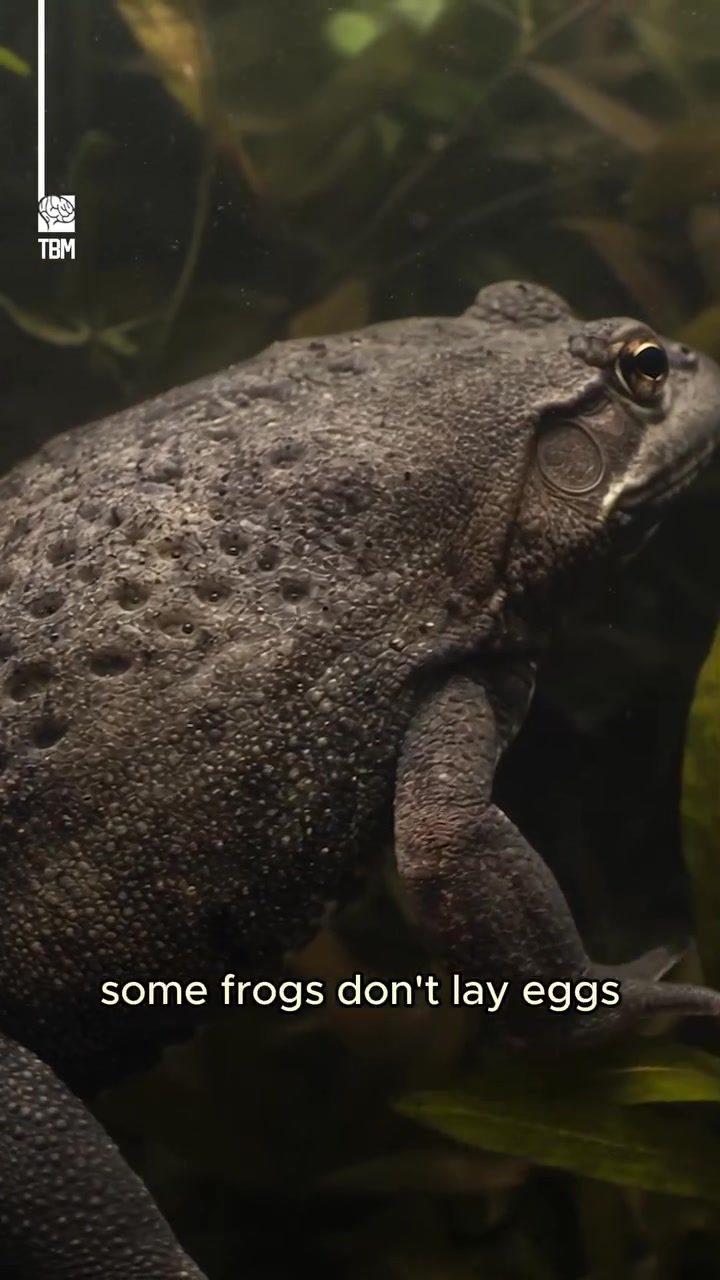
Frog Reproduction Through Skin
The Surinam toad, a fascinating amphibian, exhibits an extraordinary reproductive method. Female Surinam toads give birth through their skin, a process that sets them apart from most other animals. Instead of laying eggs or giving live birth, the female Surinam toad develops her offspring directly on her back, making this a unique and bizarre phenomenon in the animal kingdom.
Context / Why This Matters
The Surinam toad's unique reproductive strategy is not just a curiosity; it offers insights into the diverse ways nature has evolved to ensure species survival. Understanding this process can provide a deeper appreciation for the complexities of amphibian biology and the remarkable adaptations that allow species to thrive in their environments.
Main Discussion
The Mating Process
The reproductive journey of the Surinam toad begins with mating. After the female is fertilized, the male plays a crucial role in the next stage. He presses the fertilized eggs onto the female's back, where the magic begins. The female's skin then grows around each egg, forming tiny pockets that will protect and nurture the developing embryos.
Embryonic Development
For several weeks, the embryos remain safely encased within these skin pockets. During this time, they feed and grow, transforming into fully formed froglets. The female toad provides a unique incubation environment, ensuring her offspring are well-protected and receive the necessary nutrients for development. This period of development is critical for the survival of the young tadpoles.
Birth Through the Skin
The most remarkable phase of this reproductive process is the birth itself. The female toad's back begins to bulge as the froglets prepare to emerge. The tiny frogs start pushing their way out through the holes in her skin, a sight that is both fascinating and surreal. The mother toad is left with a back covered in dozens of empty holes, which eventually heal over time. This method of birth is unlike any other in the animal kingdom, making the Surinam toad a subject of great interest for biologists and nature enthusiasts alike.
Practical Tips
While the Surinam toad's reproductive method is a natural wonder, there are some practical considerations for those interested in studying or appreciating this species:
-
Conservation Efforts: The Surinam toad is considered critically endangered due to habitat loss and other factors. Supporting conservation efforts can help protect this unique species and its natural habitat. Understanding their reproductive process can aid in developing strategies for captive breeding and reintroduction programs.
-
Observation and Research: For scientists and researchers, closely observing the Surinam toad's reproductive behavior can provide valuable insights into amphibian biology. This knowledge can contribute to broader studies on reproductive strategies and the evolution of unique adaptations in amphibians.
-
Educational Resources: Utilizing visual aids, such as videos and diagrams, can help in understanding the complex reproductive process of the Surinam toad. These resources can be invaluable for educational purposes, making the subject more accessible and engaging for learners of all ages.
Important Takeaways
The Surinam toad's reproductive method is a testament to the incredible diversity and ingenuity found in nature. The process, involving skin growth around fertilized eggs and the eventual emergence of fully formed froglets, is a remarkable adaptation that ensures the survival of the species. This method not only highlights the unique abilities of amphibians but also underscores the importance of conservation efforts to protect such extraordinary creatures.
Conclusion
The Surinam toad's bizarre and fascinating reproductive method is a marvel of nature. From the fertilization process to the development of embryos within the mother's skin and the eventual birth of tiny frogs, every step of this journey is a testament to the wonders of the natural world. By understanding and appreciating this unique process, we can gain a deeper respect for the diversity of life on Earth and the critical role conservation plays in preserving it.
Watch the Reel
Questions readers ask
How does the Surinam toad's reproductive process differ from other frogs?
The Surinam toad's reproductive process is unique because the female develops her offspring directly on her back within pockets of her skin, unlike most other frogs that lay eggs in water or on land.
What are the skin pockets on the Surinam toad's back used for?
The skin pockets on the Surinam toad's back, specifically those on the female, are used to incubate and protect the eggs and developing offspring until they are ready to hatch.
Can male Surinam toads also develop offspring on their backs?
No, only female Surinam toads have the ability to develop offspring on their backs. The male toads do not have the specialized skin pockets that allow the females to carry their young.
What happens to the offspring after they develop in the skin pockets?
Once the offspring have fully developed, they emerge from the skin pockets on the female's back. This process usually occurs when the young are ready to fend for themselves, ensuring their survival.
Why is the Surinam toad's reproductive strategy considered unique?
The Surinam toad's reproductive strategy is considered unique because it involves a form of direct development on the mother's back, which is a rare and specialized adaptation not commonly found in other amphibians.
How does the Surinam toad's reproduction contribute to its survival?
The Surinam toad's unique reproductive strategy, by keeping the offspring on the mother's back, provides a higher level of protection and ensures a more controlled environment for development, which can enhance the survival chances of the young.
Related deep dives
Similar reads based on topic and creator.




Recent articles
Fresh deep dives from the latest Reels we unpacked.




Comments
Be the first to comment.