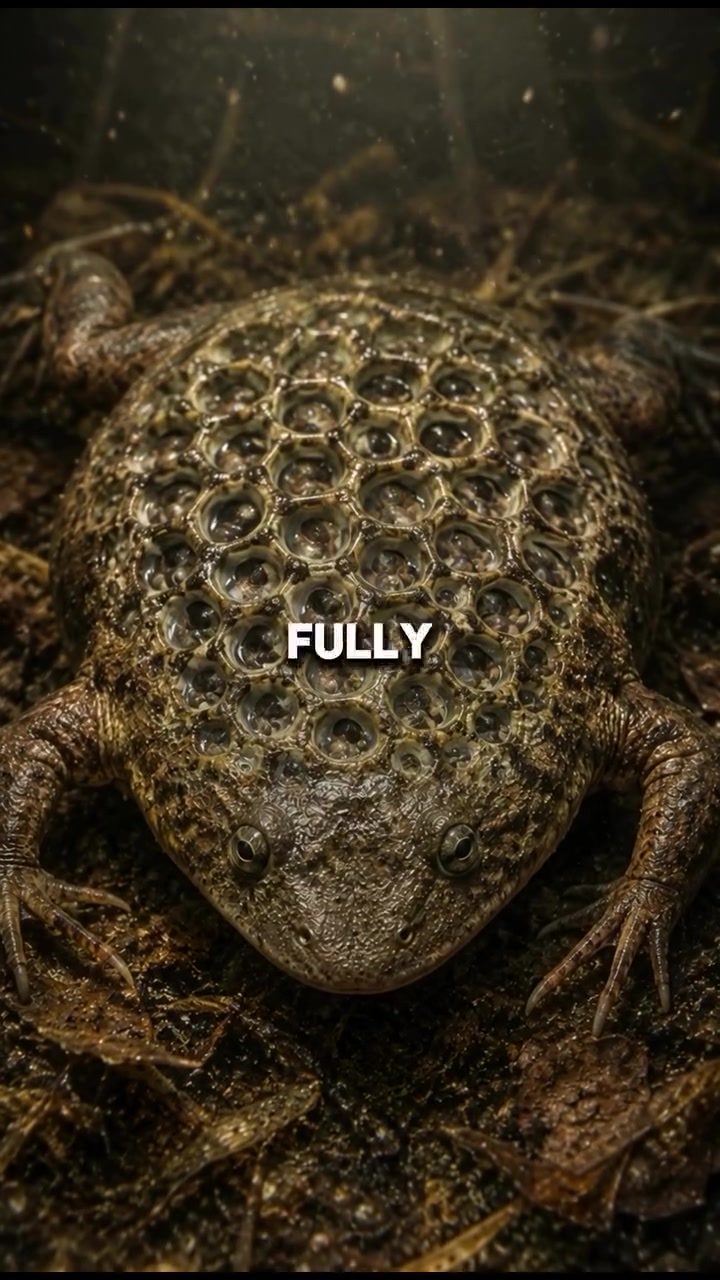
The Surinam Toad: A Marvel of Nature’s Unique Reproductive Strategy
The Surinam toad, a fascinating amphibian, exhibits a reproductive process unlike any other in the animal kingdom. This unique method involves the female carrying her young beneath her skin, where they develop before emerging as fully formed juveniles. This process is not only a remarkable feat of nature but also a testament to the diversity and ingenuity of reproductive strategies in the animal world.
Why This Matters
Understanding the reproductive behavior of the Surinam toad provides insights into the evolutionary adaptations that allow species to survive and thrive in their environments. The Surinam toad's method is particularly intriguing because it challenges our conventional understanding of how animals reproduce. By delving into this unique process, we gain a deeper appreciation for the complexity and variety of life on Earth.
The Unique Reproductive Process of the Surinam Toad
The Initial Steps
The reproductive journey of the Surinam toad begins with the male. Months before the birth, the male Surinam toad presses each of his eggs into the female’s back. The female’s skin then seals these eggs inside, creating a protective enclosure. This sealed environment ensures that the developing embryos are safe from external threats and environmental fluctuations.
Development Beneath the Skin
Unlike many amphibians, the Surinam toad does not lay eggs in water. Instead, the eggs develop entirely within the mother’s skin. This method eliminates the risks associated with having eggs in a free environment. The mother provides a stable and nurturing environment for the eggs, allowing them to develop into fully formed young. This process takes several months.
The Emergence of the Young
When the time is right, the young toads burst through the mother's skin, emerging as fully formed juveniles. This emergence is a dramatic event, as the young toads leave behind empty pockets in the skin. The mother’s skin eventually sheds, leaving the newly emerged toads to fend for themselves. This unique method of birth is one of the most extraordinary in the animal kingdom.
Adaptations and Survival
The Surinam toad's reproductive strategy is a critical adaptation that helps ensure the survival of its offspring. By carrying the eggs beneath her skin, the female toad provides a safe and controlled environment for development. This strategy reduces the risk of predation and environmental hazards that would otherwise threaten the eggs if they were laid in a free environment.
Practical Tips for Observing and Appreciating Nature
Observing the Surinam toad's unique reproductive process can be a challenging but rewarding experience. Here are a few tips for those interested in studying this fascinating creature:
Be Patient
The Surinam toad’s reproductive cycle is a long and intricate process. It requires patience and careful observation to witness the entire cycle, from the male pressing the eggs into the female’s back to the emergence of the young toads.
Use the Right Equipment
Binoculars, cameras with telephoto lenses, and even specialized camera traps can be invaluable tools for observing the Surinam toad. These tools allow you to get a closer look without disturbing the toads or their natural habitat.
Respect the Environment
When observing the Surinam toad, it is crucial to minimize your impact on their habitat. Avoid disturbing the toads or their surroundings, and always follow ethical guidelines for wildlife observation.
Important Takeaways
The Surinam toad’s unique reproductive strategy highlights several key points:
Adaptations for Survival
The Surinam toad’s method of carrying eggs beneath her skin is a remarkable adaptation that ensures the survival of her offspring. This strategy minimizes the risks associated with laying eggs in a free environment.
Diversity in Reproductive Strategies
The Surinam toad demonstrates the incredible diversity of reproductive strategies in the animal kingdom. Each species has evolved unique methods to ensure the survival of their offspring, reflecting the adaptability and resilience of life on Earth.
The Importance of Conservation
Understanding the reproductive behavior of the Surinam toad underscores the importance of conservation efforts. Protecting the habitats of these unique creatures is crucial for preserving the richness and diversity of our natural world.
Conclusion
The Surinam toad’s unique reproductive process is a testament to the marvels of nature. By carrying her young beneath her skin, this remarkable amphibian demonstrates the ingenuity and adaptability of life on Earth. Observing and studying the Surinam toad offers valuable insights into the wonders of the natural world and the importance of conservation. Whether you are a wildlife enthusiast, a scientist, or simply curious about the fascinating world of amphibians, the Surinam toad provides a captivating glimpse into the mysteries of nature.
Watch the Reel
Questions readers ask
How does the Surinam toad carry its young?
The Surinam toad carries its young beneath its skin. The female toad has specialized glandular pockets that hold the fertilized eggs. These pockets provide a safe and nourishing environment for the developing young until they are ready to emerge.
At what stage do the young Surinam toads emerge from the mother's skin?
The young Surinam toads emerge as fully formed juveniles, not eggs or tadpoles. The mother's skin provides a protective environment for the young toads to mature, and they emerge only when they are ready to survive independently. This process can take several months, with the mother toad caring for them until the young are fully developed.
What triggers the young Surinam toads to emerge from their mother's skin?
The exact trigger for the young toads to emerge is not fully understood, but it is believed to be a combination of factors. These factors may include the development stage of the young toads, environmental cues within the pockets and the mother's physiological condition. This unique process ensures the young toads are well-prepared for life outside the mother's skin.
How does the Surinam toad's skin birth process benefit the survival of the young?
The skin birth process of the Surinam toad provides several benefits for the survival of the young. By carrying and nurturing the young beneath her skin, the mother toad protects them from predators and environmental hazards. This method also ensures that the young are well-developed and ready to fend for themselves from the moment they emerge.
Are there other animals that give birth through their skin?
The Surinam toad is the only known amphibian that gives birth through its skin. While other animals, such as certain fish and lizards, have unique reproductive methods, the Surinam toad's process of carrying and nurturing its young beneath its skin is unparalleled in the animal kingdom and sets it apart from other species.
How does the Surinam toad's skin facilitate the birth process?
The Surinam toad's skin has specialized structures that facilitate the birth process. The female toad's back has glandular pockets that hold the fertilized eggs and provide a moist, protective environment for the young toads to develop. When the young are ready to emerge, the mother's skin stretches and allows the fully formed juveniles to exit safely.
Can the Surinam toad's reproductive method be observed in other amphibians?
The Surinam toad's reproductive method is unique and is not observed in other amphibians. While some amphibians exhibit unique reproductive strategies, such as mouth brooding or carrying eggs on their backs, the Surinam toad's method of carrying and nurturing its young beneath its skin is a singular adaptation that sets it apart from other amphibian species.
Related deep dives
Similar reads based on topic and creator.




Recent articles
Fresh deep dives from the latest Reels we unpacked.




Comments
Be the first to comment.