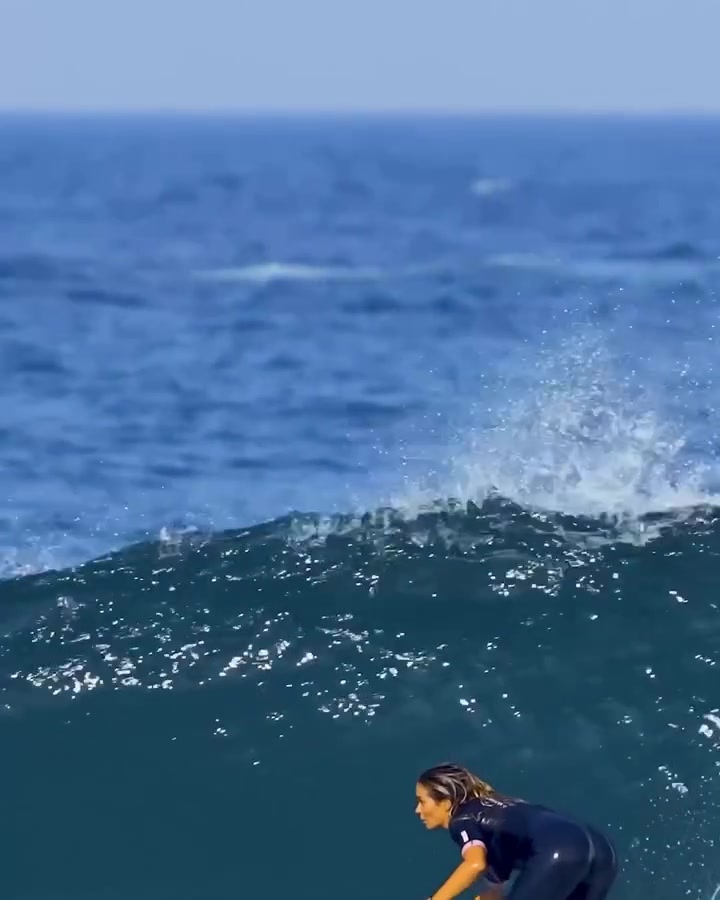
Photographer Alex Hayes captured an unforgettable ocean moment: three aerial stunts on their surfboard, with a whale's tail breaching the surface in the background. If you've ever wondered why surfers seek out South Africa, that moment goes a long way towards answering. South Africa isn't just home to world-class waves; it's also a prime spot for whale-watching, especially during the peak season from June to November.
Innovation in South Africa's Waves
South Africa's coastal waters offer a vibrant surf scene with steep, powerful waves, drawing surfers from around the world. Unlike the consistent barrels of Hawaii or the point breaks of California, South Africa's breaks are known for their intensity and unpredictability. Big wave surfers prize these conditions: they often feature towering walls of water, delivering a thrill and a challenge unlike any other. The variety of surf spots in South Africa caters to every level of experience. Beginners can start at gentler waves in areas like Plettenberg Bay, while advanced surfers can conquer renowned big-wave spots like Jeffreys Bay and the Outer Reef. Surfers come for ideal swells and consistent, equally tough surfing conditions.
The Harmony of Whale-Watching and Surfing
Every day, between June and November, humpback and southern right whales migrate past South Africa's shores. South African surfers aren't just chasing perfect barrels; they are also hoping to catch a glimpse of the humpback and southern right whales. Some of the surfers are so accustomed to this rare sighting that they have mythical stories to tell about synchronising with the majestic creatures in the ocean depths. Whales often breach the surface, which can be breathtaking to witness as a surfer. South Africa’s vibrant surf scene combined with its whale-watching hotspot status creates a one-of-a-kind experience for visitors. Roadtrippers and surf enthusiasts can climb aboard for a road trip to find each other amidst the rush of ocean’s water.
The Variety of South Africa's Surf Spots
South Africa's coastline stretches more than 2,500 kilometers, offering a variety of surf spots for every level of surfer. East London's "The Point" offers long, gentle waves for beginners, while Jeffreys Bay's "Supertubes" delivers high-performance barrels for the experts. Experienced surfers seek out larger waves at spots like Jefferys Bay, Elands Bay, and Dungeons. Alternatively, intermediate surfers can expect to enjoy stretches of J-Bay’s reefs, Eland’s Bay, or Cape Town's Muizenberg’s milder waves, where heavy swells are less prevalent. This combination of world-class surfing with the migration of whales and the otherworldly beauty of Cape Town’s windy surf culture is an adventure that no surfer would miss.
Intensifying the Thrill with South Africa’s Whale Migration
Whale migration in South Africa enhances the experience. Surfers come from all over to chase big swells and catch a glimpse of whales. Whale migration season offers a unique experience to catch waves and see migrating whales. Seeing a whale breach the surface while surfing is an extraordinary experience. Surfers like Brianna hope to have a harmonious sighting of whales during their surf sessions.
Where to Catch the Waves
South Africa offers a mix of powerful waves and migrating whales, making it a once-in-a-lifetime destination for surfers. Here’s where to experience surf as well as whale-watching.
- J-Bay. With its consistent swells and frequent sightings of migrating whales, J-Bay is a must-visit spot
- Durban. Durban caters to both beginners and advanced surfers. It's also home to the annual Coral Tree Classic surfing competition, making it a high-energy experience for spectators and competitors.
- Cape Town. The city offers some of the best surfing and whale-watching opportunities in the world, with spots like Muizenberg and Llandudno.
From the Coast to the Culinary: What Else to Expect
South African cuisine, rich in flavors and history, complements the surf-and-sightseeing experience. Like surfing, the food scene is influenced by the country’s diverse cultural heritage. Whether you’re sampling traditional Cape Malay dishes or fresh seafood, the local cuisine is an exciting blend of cultures and flavors. Surfers unwind at local cafes, bars, and restaurants after a day in the water. Cape Town, for example, offers a vibrant dining scene with everything from seafood to sushi. Eat some while catching the sunset. Forgo a quaint post-surf cafe break, since visiting South Africa is more than just surfing and whale-watching. Post-surf adventures include hikes in the steep Cape Peninsula and scenic drives through the lush Cape countryside. Surfers return from their South African adventure satiated and transformed, hungry for another trip.
Watch the Reel
Questions readers ask
Why do surfers in South Africa have a chance to see whales while surfing?
South Africa's whale-watching season runs from June to November, during which humpback and southern right whales migrate along the coast. This means surfers, especially those in areas like Jeffreys Bay and Cape Town, have a good chance of spotting whales while catching waves.
What makes South Africa's waves unique for surfers?
South Africa's waves are known for their intensity and unpredictability, with towering walls of water that create a thrilling and challenging experience. This is different from the consistent barrels of Hawaii or the point breaks of California, making it a prized destination for big wave surfers.
Which surf spots in South Africa are best for beginners, and which are for experts?
Beginners can start at gentler waves in areas like Plettenberg Bay or East London's 'The Point'. For experts, spots like Jeffreys Bay's 'Supertubes', Elands Bay, and Dungeons offer high-performance barrels and larger waves. Intermediate surfers can enjoy areas like J-Bay’s reefs, Elands Bay, or Cape Town's Muizenberg.
Can surfers really synchronize with whales while surfing in South Africa?
While it's rare, some surfers in South Africa have shared stories about synchronizing their surfing with the movements of whales. This is a unique and breathtaking experience that adds to the allure of surfing in South Africa during the whale migration season.
What is the best time of year to surf in South Africa if you want to see whales?
The best time to surf in South Africa if you want to see whales is during the whale migration season, which runs from June to November. During this period, humpback and southern right whales migrate along the coast, offering surfers the chance to witness these majestic creatures up close.
Related deep dives
Similar reads based on topic and creator.



Recent articles
Fresh deep dives from the latest Reels we unpacked.

Comments
Be the first to comment.