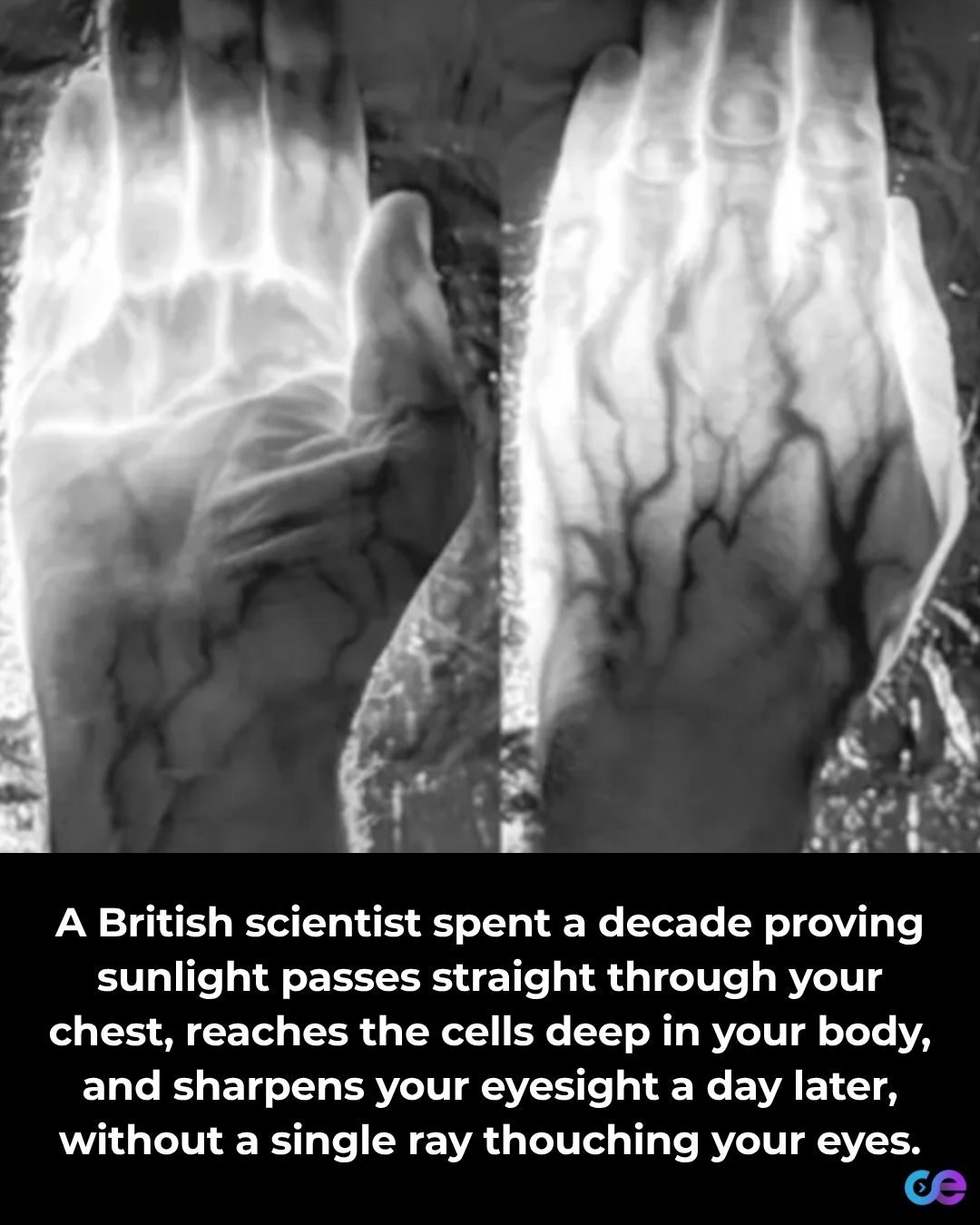
Sunlight and the Body: Dr. Glen Jeffery's Groundbreaking Discovery
Dr. Glen Jeffery's research at University College London reveals a fascinating connection between sunlight, the human body, and vision. His work focuses on how specific wavelengths of light can pass through the body and affect cellular energy production. Here, we dive into his findings and explore the implications of this scientific breakthrough.
Why This Matters
Understanding how light interacts with the human body can revolutionize various fields, from medicine to wellbeing. This discovery has the potential to influence new therapies and optimize health through natural light exposure. Dr. Jeffery's findings highlight the importance of sunlight not just for vitamin D production but also for enhancing cellular function and overall health.
The Science Behind the Discovery
The Role of Near-Infrared Light
Dr. Jeffery's research centers around near-infrared light, specifically wavelengths between 830 and 860 nanometers. These wavelengths are present in sunlight and have unique properties that allow them to penetrate deep into the body. Unlike visible light, which is absorbed by the skin, near-infrared light can pass through tissues and reach internal organs.
Penetrating the Body
Dr. Jeffery and his team found that these near-infrared wavelengths can pass through parts of the human body, including the thorax (chest). This means that sunlight can reach cells deep within the body without directly touching the eyes. The light interacts with mitochondria, the powerhouses of cells, enhancing their function and boosting energy production.
Measuring the Effects
The researchers measured the effects of this light exposure by monitoring the vision of volunteers. They found that exposing the chest or back to near-infrared light for just 15 minutes resulted in measurable improvements in color vision when tested 24 hours later. Remarkably, some of these improvements were still evident even when the participants' eyes were shielded from the light, suggesting a systemic effect rather than a direct visual stimulus.
Improving Mitochondrial Function
The hypothesis is that near-infrared light enhances mitochondrial function and ATP (adenosine triphosphate) production. ATP is the primary energy currency of cells, and increasing its production can have wide-ranging benefits. The light may be stimulating biological responses that improve cellular energy production in one part of the body, leading to downstream effects elsewhere through systemic signaling mechanisms.
Understanding the Implications
Enhanced Vision and Beyond
Dr. Jeffery's findings have significant implications for vision health. By improving mitochondrial function, near-infrared light could potentially enhance color vision and overall visual performance. This could be particularly beneficial for individuals with vision impairments or those recovering from eye injuries.
Potential Therapeutic Applications
The discovery opens up new avenues for therapeutic applications. Near-infrared light therapy could be used to boost cellular energy production in various tissues, potentially aiding in the treatment of conditions related to mitochondrial dysfunction. This could include neurodegenerative diseases, muscle disorders, and even certain types of cancer.
Optimizing Health Through Sunlight
This research also underscores the importance of natural light exposure for health. Sunlight, especially in the morning, can have profound effects on our circadian rhythms and overall well-being. Incorporating more natural light into daily routines, such as spending a few minutes outdoors, could offer multiple health benefits beyond vitamin D production.
Practical Tips for Harnessing Near-Infrared Light
Incorporating Sunlight into Daily Routines
Given the potential benefits, integrating sunlight into daily routines can be a simple yet effective way to enhance overall health. Here are some practical tips:
- Morning Sunlight: Spend 15-20 minutes in the morning sunlight, especially exposing your chest and back. This can help kickstart your day with a boost of energy and potentially enhance mitochondrial function.
- Outdoor Activities: Engage in outdoor activities like walking, jogging, or yoga during daylight hours. This not only provides near-infrared light exposure but also offers physical exercise benefits.
- Night Sky: Avoid exposing yourself to artificial light, especially in the blue spectrum, in the evening.
Utilizing Light Therapy
If natural sunlight exposure is not feasible, consider using light therapy devices that emit near-infrared wavelengths. These devices are designed to mimic the effects of natural sunlight and can be used indoors for therapeutic purposes. Always consult a healthcare provider before starting any new therapy.
Important Takeaways
- Near-Infrared Light Penetration: Near-infrared light from sunlight can pass through the human body, reaching cells deep within tissues without direct eye contact.
- Mitochondrial Function: This light enhances mitochondrial function, boosting cellular energy production and potentially improving overall health.
- Vision Improvements: Exposure to near-infrared light has been linked to measurable improvements in color vision, even when the eyes are shielded from the light.
- Therapeutic Potential: The discovery opens up new avenues for therapeutic applications, including the treatment of mitochondrial dysfunction and vision-related conditions.
Conclusion
Dr. Glen Jeffery's groundbreaking research on near-infrared light and its effects on the human body offers a fascinating glimpse into the potential benefits of sunlight. By understanding how specific wavelengths of light can enhance cellular energy production and improve vision, we can explore new ways to optimize health through natural means. From incorporating more sunlight into daily routines to utilizing light therapy, there are practical steps everyone can take to harness the power of near-infrared light for better health and well-being.
Watch the Reel
Questions readers ask
How does sunlight impact the human body beyond vision?
Sunlight's benefits extend far beyond just helping us see better and producing vitamin D. Specific wavelengths of light penetrate deep into the body, enhancing cellular energy production and improving overall health and well-being.
What are the key findings of Dr. Glen Jeffery's research on sunlight?
Dr. Jeffery's research at University College London has shown that specific wavelengths of light can pass through the body and influence cellular energy production beyond just producing vitamin D. This discovery highlights the importance of sunlight for overall health.
How does infrared light contribute to health benefits?
Infrared light, a specific wavelength of light, has been found to penetrate deeply into the human body. This penetration can improve cellular functions and boost overall health, making it a key area of interest in light therapy research.
What are the potential applications of Dr. Jeffery's findings in light therapy?
Dr. Jeffery's findings open up new possibilities for light therapy, which could be used to optimize health through natural light exposure. This could lead to innovative therapies and treatments that enhance overall well-being on a cellular level.
How does sunlight influence energy production in the body?
Sunlight influences cellular energy production by penetrating the body and affecting cellular functions. This process can lead to improved health and energy levels, emphasizing the importance of light wavelengths in maintaining overall well-being.
What makes British sunlight research, particularly Dr. Jeffery’s work, significant?
British sunlight research, particularly Dr. Glen Jeffery’s work, is notable for uncovering the deeper impact of sunlight on the human body. By showing how specific light wavelengths affect cellular energy production, this research offers new insights into optimizing health and wellness.
Related deep dives
Similar reads based on topic and creator.




Recent articles
Fresh deep dives from the latest Reels we unpacked.




Comments
Be the first to comment.