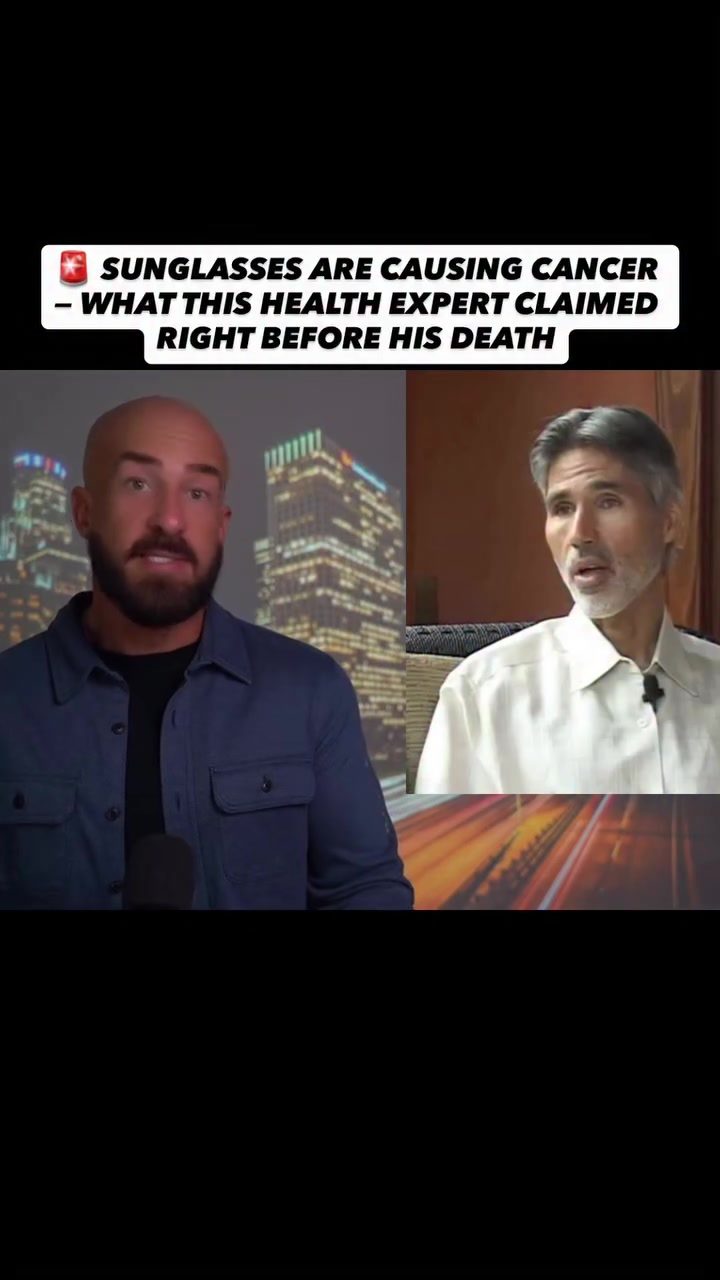
Sunglasses and Cancer: Unraveling the Claims
The controversial claim that sunglasses can cause cancer has been circling widely, leaving many people unsettled. This claim, attributed to a health expert right before his death, suggests that the rise of sunglasses has triggered a massive increase in cancers. The premise is that sunglasses filter out certain rays of the sun, blocking the full spectrum of light that the body needs.
Context
Sunlight is essential for various bodily functions, and the argument revolves around how sunglasses might disrupt these processes. The pineal gland, a small, pea-sized structure deep within the brain, is believed to play a crucial role in this discussion. The pineal gland receives light and breaks it down into different colors, which are then encoded with chemicals and distributed throughout the body. These colors are necessary for basic metabolic processes, such as the production of blood and bile.
Main Discussion
The Role of the Pineal Gland
The pineal gland is a key player in the body's response to light. It receives light in various color formations, which correspond to different wavelengths. These wavelengths are essential for various metabolic processes. For instance, red light is involved in blood production, while green light aids in bile production. By filtering out certain rays of the sun, sunglasses may disrupt these processes, potentially leading to health issues.
UV Light and Melanin Production
UV light is another critical component of sunlight that affects the body. When UV light enters the eyes and reaches the pineal gland, it triggers the production of a hormone responsible for melanin production in the skin. Melanin is a pigment that protects the skin from UV damage. If the body does not receive sufficient UV light, it may stop producing this hormone, making the skin more susceptible to sunlight damage and potentially increasing the risk of skin cancer.
The Impact of Sunglasses
Wearing sunglasses can interfere with the body's natural processes by blocking out certain rays of the sun. When UV light is filtered out, the body may perceive it as darker outside, leading to a reduction in the production of the hormone responsible for melanin. This can leave the skin more vulnerable to sunlight damage, potentially increasing the risk of skin cancer. This is one of the primary concerns raised by the claim that sunglasses can cause cancer.
Important Considerations
It is essential to note that while this claim is circulating, it is not universally accepted by the scientific community. The idea that sunglasses can cause cancer is controversial and requires more research to be validated. However, it is a topic worth considering, especially for those who wear sunglasses frequently.
Practical Tips
Balancing Sun Protection
If you are concerned about the potential risks associated with sunglasses, consider the following tips:
- Choose the Right Sunglasses: Opt for sunglasses that block UV rays but allow some natural light to enter. Polarized lenses can be a good option as they reduce glare without completely blocking out sunlight.
- Limit Wear Time: Avoid wearing sunglasses continuously, especially indoors or in low-light conditions. Allow your eyes to receive natural light periodically.
- Supplement with Sunscreen: Use broad-spectrum sunscreen to protect your skin from UV damage, whether you are wearing sunglasses or not.
Monitoring Your Health
Regular skin and eye check-ups can help detect any abnormalities early. Pay attention to any changes in your skin or eyes, and consult a healthcare provider if you notice anything unusual.
Important Takeaways
The claim that sunglasses can cause cancer is rooted in the idea that they disrupt the body's natural processes by filtering out certain rays of the sun. This disruption can affect the production of essential hormones and chemicals, potentially making the skin more vulnerable to damage. While this claim is controversial, it highlights the importance of balancing sun protection with the body's need for natural light.
Conclusion
The debate surrounding sunglasses and cancer underscores the complex relationship between sunlight, the body, and overall health. While sunglasses are essential for protecting the eyes from bright light and glare, it is crucial to consider the potential long-term effects of blocking out certain rays of the sun. By being mindful of how and when you wear sunglasses, you can strike a balance between protecting your eyes and ensuring that your body receives the light it needs.
Watch the Reel
Questions readers ask
What is the main claim linking sunglasses to cancer?
The primary claim is that sunglasses filter out essential sunlight, which can disrupt the pineal gland and alter metabolic processes. Some experts have suggested that this disruption may contribute to the development of certain cancers.
How does the pineal gland relate to this controversy?
The pineal gland is believed to play a crucial role in receiving and interpreting light. The claim is that sunglasses may disrupt the pineal gland by blocking certain wavelengths of sunlight, which could potentially alter hormone production and metabolic processes.
Does wearing sunglasses increase the risk of skin cancer?
Wearing sunglasses does not directly increase the risk of skin cancer. However, it is important to note that sunglasses can reduce exposure to beneficial sunlight, which is crucial for the body's production of vitamin D, a nutrient essential for maintaining bone health and immune function.
What are the potential health benefits of sunlight?
Sunlight exposure is essential for the body to produce vitamin D and regulate mood. It also helps in regulating the body's internal clock, which is crucial for overall health and well-being. Proper sunlight exposure can foster better sleep, improved immune function, and stronger bones, which helps to prevent diseases such as Osteoporosis.
Should I avoid wearing sunglasses to prevent cancer?
It is not necessary to avoid wearing sunglasses to prevent cancer. However, it is essential to balance sunlight exposure and protection. The American Cancer Society recommends wearing sunglasses and sunscreen to protect the eyes and skin from harmful UV rays, while also ensuring adequate sunlight exposure for health benefits.
What are the best health practices for sunlight exposure?
The best practices for sunlight exposure include wearing sunglasses and sunscreen to protect the eyes and skin, and spending a limited amount of time in the sun. For example, 15-30 minutes of sunlight exposure each day can help the body produce vitamin D and regulate metabolic processes.
Recent articles
Fresh deep dives from the latest Reels we unpacked.




Comments
Be the first to comment.