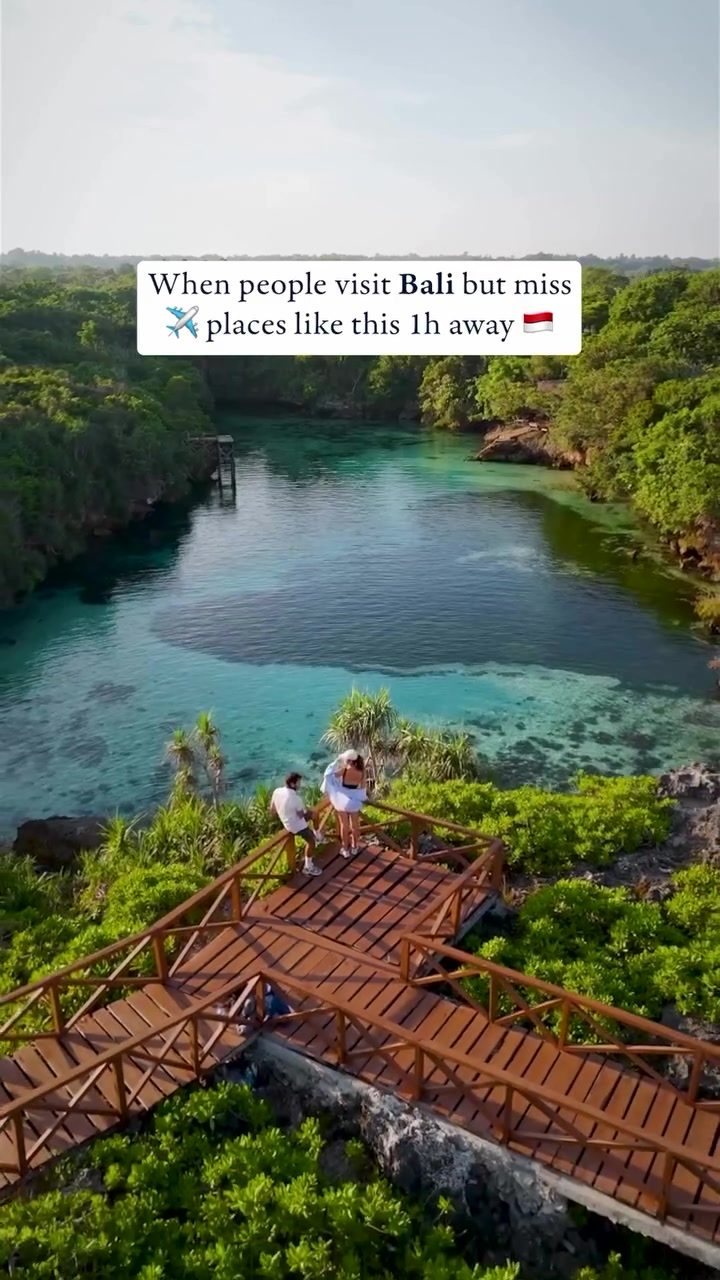
Travel to Sumba
Sumba, Indonesia, is a hidden gem waiting to be discovered, offering a world away from the usual Bali itinerary. This stunning island is a treasure trove of natural wonders, cultural heritage, and breathtaking landscapes. Sumba, located just a short one-hour direct flight from Bali, is a perfect destination for those seeking to explore beyond the typical tourist spots. Here’s why Sumba should be on your radar.
Context / Why this matters
While Bali is undoubtedly a popular destination, Sumba offers an alternative that is equally enchanting and less crowded. For those looking to experience the beauty of Indonesia beyond the well-trodden paths, Sumba provides a unique and authentic experience. With its stunning landscapes, rich cultural heritage, and unique wildlife, Sumba is a destination that promises adventure and tranquility.
Sumba’s Hidden Gems
Sumba is home to a variety of natural wonders that make it a must-visit destination. From pristine beaches to majestic waterfalls and crystal-clear lagoons, the island offers a diverse range of experiences for travelers.
Weekuri Lagoon
One of the standout attractions in Sumba is Weekuri Lagoon, a natural saltwater pool surrounded by limestone cliffs. The lagoon boasts crystal-clear water, making it an ideal spot for a refreshing dip. The turquoise water and the serene surroundings create a picturesque setting that is perfect for a relaxing day by the water.
Lapopu Waterfall
For those who appreciate the beauty of nature, Lapopu Waterfall is a must-visit. Known as one of Indonesia’s most majestic waterfalls, Lapopu offers a stunning display of cascading water against a backdrop of lush greenery. The waterfall’s grandeur and the surrounding natural beauty make it a memorable experience.
Nihiwatu Beach
Nihiwatu Beach is another highlight of Sumba, often rated as one of the best beaches in the world. This stunning beach offers a tranquil setting with pristine white sand and clear blue waters. It’s the perfect place to unwind and enjoy the serenity of the island. The beach is also home to unique species like the Sumba Cuckoo, adding to its charm.
Cultural Heritage
Sumba’s rich cultural heritage is another reason to visit the island. The traditional Sumbanese villages, such as Ratenggaro, showcase the island’s history and culture. These villages are known for their megalithic tombs and towering thatched-roof houses, which are unique architectural marvels. Exploring these villages offers a glimpse into the island’s rich cultural tapestry and the way of life of its people.
Adventure and Panoramic Views
For adventure enthusiasts, Sumba offers plenty of opportunities to explore its natural beauty. Hiking to Wairinding Hill is a must-do activity, providing breathtaking panoramic views of the island’s rolling hills. The hike is a rewarding experience, offering stunning vistas and a sense of accomplishment.
Best Time to Visit
The best time to visit Sumba is during the dry season, from May to September. During this period, the weather is pleasant, making it ideal for outdoor activities and exploration. The dry season ensures that you can enjoy the island’s natural wonders without the discomfort of heavy rainfall.
Getting to Sumba
Sumba is easily accessible from Bali, with a direct one-hour flight. This proximity makes it a convenient destination for those looking to explore beyond Bali. The short flight time means you can add Sumba to your itinerary without compromising your travel plans.
Practical Tips
To make the most of your trip to Sumba, here are some practical tips to keep in mind:
Packing Essentials
When packing for Sumba, make sure to include essentials for outdoor activities, such as comfortable hiking shoes, sunscreen, a hat, and a water bottle. Also, bring a camera to capture the stunning landscapes and cultural sites.
Local Cuisine
Don’t miss out on trying the local cuisine. Sumbanese dishes offer a unique blend of flavors and are a great way to immerse yourself in the local culture. Popular dishes to try include biru-biru (a traditional Sumbanese soup) and bintik (a type of flatbread).
Local Transportation
Getting around Sumba can be an adventure in itself. Renting a motorbike or hiring a local guide can be a convenient way to explore the island. These options provide flexibility and allow you to visit off-the-beaten-path locations.
Important Takeaways
Sumba, Indonesia, offers a unique and authentic travel experience. From its natural wonders, such as Weekuri Lagoon, Lapopu Waterfall, and Nihiwatu Beach, to its rich cultural heritage in traditional villages and the diverse wildlife, Sumba is a destination that promises adventure and tranquility. Visiting during the dry season from May to September ensures pleasant weather, making it the ideal time to explore the island.
Unique Wildlife
Sumba is also home to unique species like the Sumba Cuckoo, which adds to its allure. The island’s biodiversity and natural beauty make it a haven for wildlife enthusiasts.
Cultural Immersion
Exploring the traditional Sumbanese villages provides a rich cultural immersion, allowing you to experience the island’s history and traditions firsthand. The megalithic tombs and thatched-roof houses are architectural marvels that showcase the island’s unique heritage.
Conclusion
Sumba, Indonesia, is a hidden gem waiting to be discovered. With its stunning natural landscapes, rich cultural heritage, and unique wildlife, the island offers a world away from the usual Bali itinerary. Visiting Sumba provides an opportunity to explore a lesser-known side of Indonesia, offering adventures and tranquility. Whether you’re looking to swim in crystal-clear lagoons, marvel at majestic waterfalls, relax on pristine beaches, or explore traditional villages, Sumba has something for everyone.
Watch the Reel
Questions readers ask
How do I get to Sumba from Bali?
Sumba is easily accessible with a short one-hour direct flight from Bali. This convenience makes it a great option for those looking to extend their Indonesian adventure without spending too much time in transit.
What are the must-see natural wonders in Sumba?
Sumba boasts pristine beaches, majestic waterfalls, and unique wildlife. Some of the top natural attractions include Mandorak Beach, Waijewa Beach, and the stunning waterfalls of Ratenggaro and Watunungi.
How does Sumba's culture differ from Bali's?
Sumba's cultural heritage is rich and unique, with traditional villages and ancient rituals. The island is home to the Sumba people, known for their distinctive traditional houses called Uma Mbok and vibrant cultural festivals.
What kind of wildlife can I expect to see in Sumba?
Sumba is home to a variety of unique wildlife, including the endangered Sumba deer, the Sumba flying fox, and numerous species of birds. The island's diverse ecosystems provide ample opportunities for wildlife enthusiasts.
Is Sumba better for adventurers or those seeking tranquility?
Sumba caters to both adventurers and those looking for tranquility. For adventurers, there are opportunities for trekking, surfing, and exploring remote villages. For those seeking tranquility, the pristine beaches and serene landscapes offer a peaceful retreat.
Are there any local customs or traditions I should be aware of in Sumba?
Sumba has a rich cultural heritage with unique traditions such as the Pasola festivals—traditional horse-riding and spearing rituals. It’s important to be respectful and curious when visiting local villages, as some customs may be unfamiliar to outsiders.
What are some of the best places to stay in Sumba?
Sumba offers a range of accommodations from boutique resorts to traditional homestays. For a more authentic experience, consider staying in a traditional Uma Mbok. For luxury, some of the best resorts are located in Waijewa and Mandorak.
Related deep dives
Similar reads based on topic and creator.



Recent articles
Fresh deep dives from the latest Reels we unpacked.




Comments
Be the first to comment.