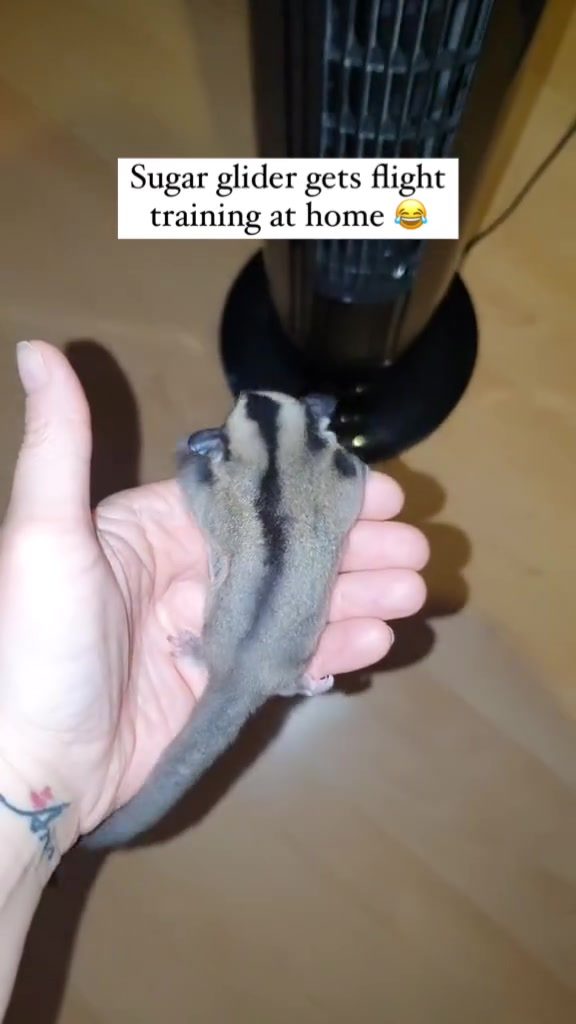
Sugar Glider Flight Training: A Guide to Helping Your Pet Glide
Sugar gliders, small, nocturnal marsupials, are known for their remarkable gliding abilities, thanks to a membrane called the patagium. This membrane stretches from their wrists to their ankles, enabling them to glide between trees with ease. As a pet owner, you might be curious about how to encourage and support this natural behavior in your sugar glider.
Why This Matters
Sugar gliders are arboreal creatures, meaning they live in trees. Gliding is a crucial part of their lifestyle, both in the wild and as pets. Encouraging your sugar glider to practice its gliding abilities helps keep it physically active and mentally stimulated. This is essential for their overall well-being, as it mimics their natural behavior and provides them with a fun outlet for their energy.
Understanding Sugar Glider Gliding
The Patagium: Nature's Parachute
The patagium is a delicate, thin membrane that connects the glider's front and back legs. When the sugar glider spreads its limbs, the patagium stretches out, creating an airflow that allows the glider to glide effortlessly. This adaptation is what makes sugar gliders unique among small mammals.
The Art of Taking Flight
Sugar gliders typically launch from a high perch and spread their limbs to catch the air. They can control their direction and speed to some extent by adjusting the position of their limbs and tail. This natural ability is fascinating to observe and can be a joy to encourage in a pet setting.
Setting Up for Successful Gliding
Creating a Safe Environment
Before encouraging your sugar glider to glide, it's crucial to create a safe environment. Ideally, set up a large cage or an entire room for gliding practice. Ensure there are no obstacles or hazards that could harm your pet. The environment should mimic the natural habitat of a sugar glider, with plenty of vertical space and various perches.
Encouraging Natural Behavior
The key to successful gliding training is to encourage your sugar glider's natural instincts. Place treats or favorite toys at different heights to motivate your pet to glide from one point to another. Use positive reinforcement, such as praise or small rewards, to build your pet's confidence and encourage repetitive gliding attempts.
The Role of Flight Training
Gliding practice can start as early as a few weeks after the glider is introduced to its new home. However, it's important to be patient and let your pet set the pace. Some gliders may take to flying more quickly than others. The goal is to make the experience enjoyable and stress-free, ensuring your pet associates gliding with positive experiences.
Practical Tips for Flight Training
Start Small
Begin with short distances and gradually increase the gliding range as your sugar glider gains confidence. This approach helps prevent fear or anxiety and builds a positive association with the activity.
Provide Perches and Landings
Ensure there are multiple perches and soft landing spots available. These can be branches, platforms, or even soft cushions placed around the training area. This setup helps your pet feel secure and reduces the risk of injury.
Use Positive Reinforcement
Sugar gliders respond well to positive reinforcement. Offer small treats or verbal praise when your pet successfully glides. This encourages them to repeat the behavior and builds a positive association with the exercise.
Maintain a Comfortable Temperature
Sugar gliders are sensitive to temperature changes. Keep the training area warm, as a comfortable environment can enhance your pet's willingness to glide. A consistent, mild temperature is ideal.
Important Takeaways
Successfully training your sugar glider to glide involves creating a comfortable, safe environment and encouraging natural behaviors. Positive reinforcement and patience are key to building your pet's confidence. Remember, the goal is to make the experience enjoyable for both you and your pet.
Conclusion
Sugar gliders are fascinating creatures with a unique ability to glide through the air. As a pet owner, encouraging this natural behavior can greatly enrich your pet's life. By providing a safe, comfortable environment and using positive reinforcement, you can help your sugar glider develop and enjoy its gliding skills. Whether you're a seasoned sugar glider owner or new to the experience, this guide offers practical tips and insights to help you support your pet's natural behaviors and enhance your bond.
The journey of flight training is not just about seeing your sugar glider soar but also about creating a deeper connection with your pet. Embrace the process, and enjoy the joy and wonder that comes with watching your sugar glider take to the skies.
Watch the Reel
Questions readers ask
How do I encourage my sugar glider to glide?
To encourage your sugar glider to glide, create a safe and stimulating environment. Provide plenty of vertical space and climbing structures in their enclosure. Offer toys and obstacles that inspire them to jump and glide from one point to another. Positive reinforcement, such as treats or praise, can also motivate them to practice this behavior.
What is the best enclosure for a sugar glider to practice gliding?
The ideal enclosure for a sugar glider to practice gliding is tall and roomy, with plenty of branches, ropes, and platforms to navigate. A vertical enclosure with multiple levels and gliding distances will encourage your sugar glider to exercise their gliding abilities. A minimum size of 24x24x36 inches is recommended for a pair of sugar gliders, but larger is always better.
Why is gliding important for a sugar glider's health?
Gliding is crucial for a sugar glider's physical and mental well-being. It provides essential exercise, helping to maintain their muscle tone and overall fitness. Additionally, gliding stimulates their natural behaviors, keeping them mentally engaged and preventing boredom, which can lead to behavioral issues.
How can I ensure my sugar glider's safety while gliding?
To ensure your sugar glider's safety, always supervise their gliding activities, especially when they are first learning. Make sure the enclosure is secure and free from hazards. Regularly inspect the enclosure for any sharp or broken parts that could cause injury. By providing a safe environment, you encourage your sugar glider to glide confidently.
Can sugar gliders be taught to glide on command?
While sugar gliders cannot be taught to glide on command like a dog can be taught to sit, you can encourage and reinforce their natural gliding behavior. Consistently providing opportunities for gliding and using positive reinforcement can help your sugar glider associate gliding with positive experiences, making them more likely to do it frequently.
What are some effective gliding training techniques for sugar gliders?
Effective gliding training techniques include creating a variety of obstacles and platforms at different heights to encourage your sugar glider to jump and glide. Using toys or treats to lure them to specific points can motivate them to glide. Always ensure the environment is safe and secure to build their confidence and encourage more frequent gliding.
How often should I let my sugar glider practice gliding?
Sugar gliders should have daily opportunities to practice gliding, as it is a natural and essential part of their behavior. Ensure their enclosure is set up to encourage gliding throughout the day. Additionally, provide supervised playtime outside the enclosure to help them exercise their gliding abilities and stay physically and mentally active.
Related deep dives
Similar reads based on topic and creator.


Recent articles
Fresh deep dives from the latest Reels we unpacked.




Comments
Be the first to comment.