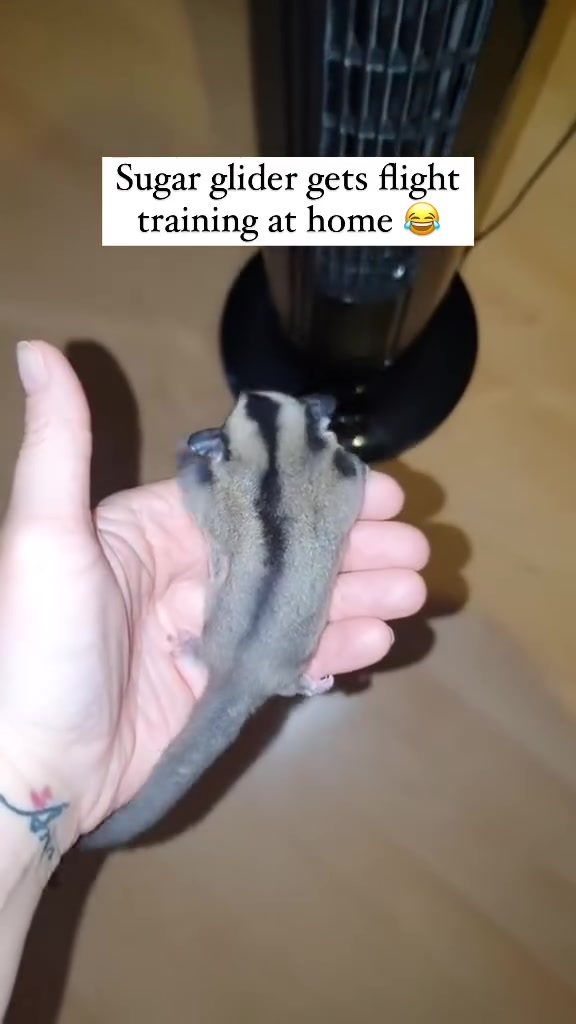
Sugar Gliders: The Art of Flight Training
Sugar gliders are fascinating creatures known for their unique ability to glide between trees. While they are naturally adept at gliding, proper training can enhance their skills and ensure they stay safe and healthy. Understanding the process and techniques involved can provide insights into these remarkable animals and their care.
Why Flight Training Matters
Flight training for sugar gliders is essential for several reasons. First, it helps them develop the necessary muscles and reflexes for safe gliding. Sugar gliders in the wild rely on gliding to navigate their environment, so proper training ensures they can do this effectively in captivity as well. Additionally, flight training provides mental stimulation and physical exercise, which are crucial for the overall well-being of these active animals.
The Basics of Sugar Glider Flight Training
Understanding Gliding Mechanics
Gliding is a natural behavior for sugar gliders, but understanding the mechanics can help in training. Sugar gliders have a membrane called a patagium, which stretches from their wrist to their ankle, allowing them to glide. Proper training involves exercises that strengthen the muscles used in gliding and improve the animal's balance and coordination.
Setting Up a Training Environment
Creating a safe and stimulating environment is key to successful flight training. The training area should be spacious, with plenty of room for the sugar glider to move around and practice gliding. It's important to install a fan in the room, as the air current helps the sugar glider mimic the wind resistance it would experience in the wild. The area should also have various perches and platforms at different heights, encouraging the glider to climb and glide from one point to another.
Practical Tips for Effective Training
Encourage Natural Behavior
Sugar gliders are social animals, and they thrive on interaction. Encourage natural behaviors by spending time with your sugar glider and interacting with it regularly. Gentle handling and positive reinforcement can help build trust and make the training process more enjoyable for both you and the animal.
Gradual Training Exercises
Start with simple exercises that gradually increase in complexity. Begin by holding the glider in your hand and allowing it to stretch its limbs, preparing for flight. As the glider becomes more comfortable, introduce short glides from lower heights. Gradually increase the distance and height as the animal gains confidence and skill.
Use Positive Reinforcement
Rewards and positive reinforcement are essential for successful training. Use treats or praise to encourage the sugar glider during training sessions. This will help the animal associate training with positive experiences, making it more likely to engage in the process willingly.
Monitor Progress and Adjust
Keep a close eye on the sugar glider's progress and adjust the training exercises accordingly. Every animal is unique, and some may progress faster than others. Be patient and adapt the training plan to suit the individual needs and abilities of your sugar glider. Regular monitoring will also help identify any potential issues early, ensuring the animal stays healthy and safe.
Important Takeaways
Flight training for sugar gliders is a rewarding experience for both the animal and the owner. It helps develop essential skills, provides mental and physical stimulation, and strengthens the bond between the glider and its caretaker. By understanding the mechanics of gliding, creating a suitable training environment, and using positive reinforcement, you can effectively train your sugar glider to glide safely and confidently.
Conclusion
Training your sugar glider to glide is a fulfilling journey that can significantly enhance the animal's well-being. With the right techniques and a patient approach, you can help your sugar glider develop the skills necessary for safe and enjoyable gliding. Remember, the key to successful training is understanding the animal's natural behaviors, creating a stimulating environment, and using positive reinforcement to encourage progress. By following these guidelines, you can ensure your sugar glider enjoys a healthy and active lifestyle.
Watch the Reel
Questions readers ask
How does flight training benefit the health of sugar gliders?
Flight training strengthens the muscles and reflexes of sugar gliders, which is crucial for their overall health and ability to glide safely. This exercise helps maintain their agility, endurance, and cardiovascular health, as well as providing mental enrichment.
What are some effective techniques for training a sugar glider to fly?
To train a sugar glider to fly, start with small, safe spaces to encourage short flights. Use treats or favorite foods as rewards. Gradually increase the distance and height as the sugar glider becomes more confident. Consistency and patience are key in building their skills over time.
What is backpacking with sugar gliders and how does it help in training?
Backpacking with sugar gliders involves carrying them in a secure, comfortable pouch or cage while you navigate different environments. It helps them adapt to various settings and become more comfortable with new surroundings, which can be beneficial in encouraging flight and enhancing their navigation skills.
How can sugar glider owners ensure the safety of their pets during flight training?
To ensure safety, always supervise flight training sessions and start in a safe, enclosed space. Remove any obstacles or hazards that could cause injury. As your pet becomes more skilled, gradually introduce more challenging environments, but always prioritize their safety.
What role does mental stimulation play in flight training?
Mental stimulation is vital in flight training as it keeps the sugar gliders engaged and motivated. It can make the training process more enjoyable for the pet, helping them stay focused and active. The mental benefits also contribute to their overall well-being and happiness.
How often should you practice flight training with your sugar glider?
It is recommended to practice flight training regularly, ideally daily or every other day, for short durations to maintain their interest and prevent fatigue. Consistency helps build muscle memory and confidence, making each session productive and rewarding.
What are some limb stretching exercises that can complement flight training?
Limb stretching exercises can include gentle leg and arm stretches that mimic the movements of gliding. You can encourage these by placing treats just out of reach to promote stretching and reaching. This helps in muscle development and prepares them for more extensive gliding sessions.
Related deep dives
Similar reads based on topic and creator.


Recent articles
Fresh deep dives from the latest Reels we unpacked.




Comments
Be the first to comment.