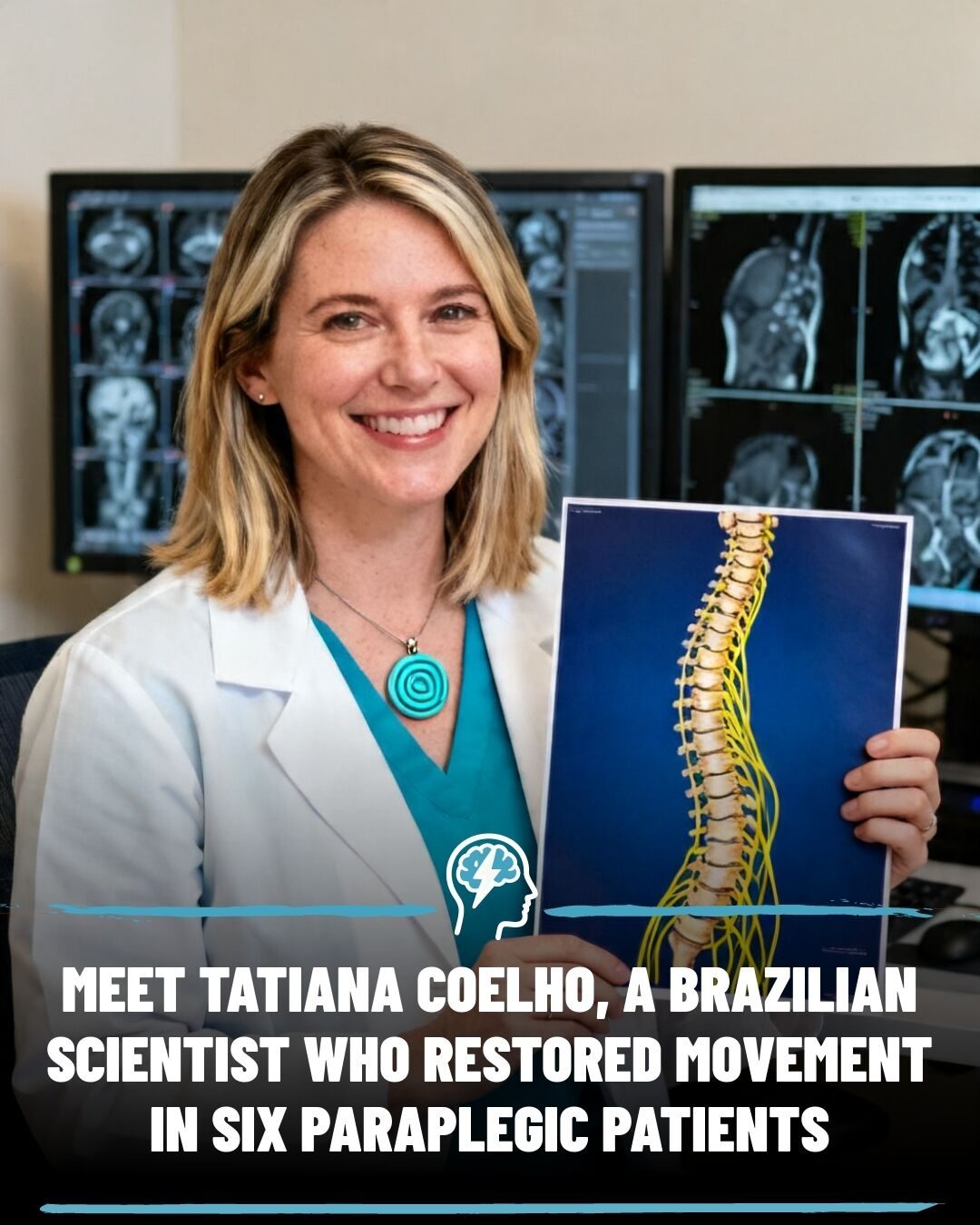
The Promise of Polilaminina: A New Path for Spinal Cord Injury Recovery
Spinal cord injuries are devastating and often lead to lifelong impairment. However, a groundbreaking area of research offers a glimmer of hope. A Brazilian scientist, Dr. Tatiana Coelho de Sampaio, has developed a treatment that uses a protein found in the human placenta. This protein, called polilaminina, shows promise in helping some patients with spinal cord injuries regain movement.
Why This Matters
Spinal cord injuries disrupt the communication lines between the brain and the body, often resulting in paralysis. Current treatments are limited and often focus on managing symptoms rather than promoting recovery. The development of a treatment that could potentially reverse some of the damage is a significant step forward in this field.
The Science Behind Polilaminina
The Role of the Placenta
The human placenta is a remarkable organ that supports rapid cell growth and development during pregnancy. It contains various proteins, including polilaminina, which play crucial roles in these processes. Dr. Tatiana Coelho de Sampaio has harnessed the power of this protein to create a treatment that may help repair damaged neural pathways in the spinal cord.
How Polilaminina Works
Polilaminina appears to create conditions where damaged neural pathways can begin to repair themselves. When combined with rehabilitation techniques, some patients in experimental trials have been able to activate muscles that had been inactive for years. This is a significant finding, as it suggests that the protein may help rebuild some of the broken connections between the brain and the body, allowing signals to travel again.
The Experimental Phase
It's important to note that this research is still in the experimental phase and is not yet an approved clinical treatment. Early trials have shown that some patients experienced meaningful recovery of movement. However, outcomes vary significantly between individuals, and further research is needed to understand the full potential of this treatment.
Practical Tips for Those Affected by Spinal Cord Injuries
Stay Informed
Staying informed about the latest research and clinical trials is crucial. While polilaminina shows promise, it is not a cure-all, and other treatments may also offer benefits.
Consider Rehabilitation
Rehabilitation techniques, such as physical therapy and occupational therapy, can significantly improve quality of life and may even enhance the effectiveness of treatments like polilaminina.
Seek Support
Support groups and counselors can provide valuable emotional and practical support. These resources can help individuals and their families navigate the challenges of living with a spinal cord injury.
Important Takeaways
Spinal cord injuries affect millions of people worldwide, and progress in treatment has historically been slow. The work of Dr. Tatiana Coelho de Sampaio and her team offers a promising direction in this field. While the treatment is still in the experimental phase, the early results are encouraging and suggest that polilaminina could play a significant role in future therapies.
Conclusion
The human body has a remarkable potential for recovery when given the right support. Research like Dr. Tatiana Coelho de Sampaio’s reminds us how much we still have to learn about healing. This work is a testament to the power of scientific inquiry and the potential for breakthroughs in the field of spinal cord injury treatment.
Watch the Reel
Questions readers ask
What is Polilaminina and how does it contribute to spinal cord recovery?
Polilaminina is a protein derived from the human placenta. It is being studied for its potential to repair damaged neural pathways in the spinal cord, which could help individuals regain movement and improve their quality of life after a spinal cord injury.
Who is Dr. Tatiana Coelho de Sampaio and what is her role in spinal cord injury research?
Dr. Tatiana Coelho de Sampaio is a Brazilian scientist known for her pioneering work with Polilaminina. She has developed a treatment using this protein to promote recovery from spinal cord injuries, offering new hope to those affected.
How does Polilaminina differ from current spinal cord injury treatments?
Most current treatments focus on managing symptoms and preventing further damage. In contrast, Polilaminina aims to actively repair damaged neural pathways, potentially reversing some of the effects of spinal cord injuries and restoring movement.
What stage of development is the Polilaminina treatment currently in?
The Polilaminina treatment for spinal cord injuries is still in the experimental phase. While it has shown promise in early research, more studies and clinical trials are needed to validate its effectiveness and safety before it can be widely used.
Can Polilaminina benefit all individuals with spinal cord injuries?
While Polilaminina shows potential, it is important to note that individual results may vary. The treatment is still in the experimental phase, and its benefits may not be universal. Ongoing research will help determine which patients are most likely to benefit from this innovative approach.
What are the primary challenges in developing new treatments for spinal cord injuries?
The primary challenges include the complexity of the spinal cord's structure and the difficulty in repairing damaged neural pathways. Additionally, conducting clinical trials and navigating regulatory approvals can be time-consuming and complex.
Related deep dives
Similar reads based on topic and creator.



Recent articles
Fresh deep dives from the latest Reels we unpacked.




Comments
Be the first to comment.