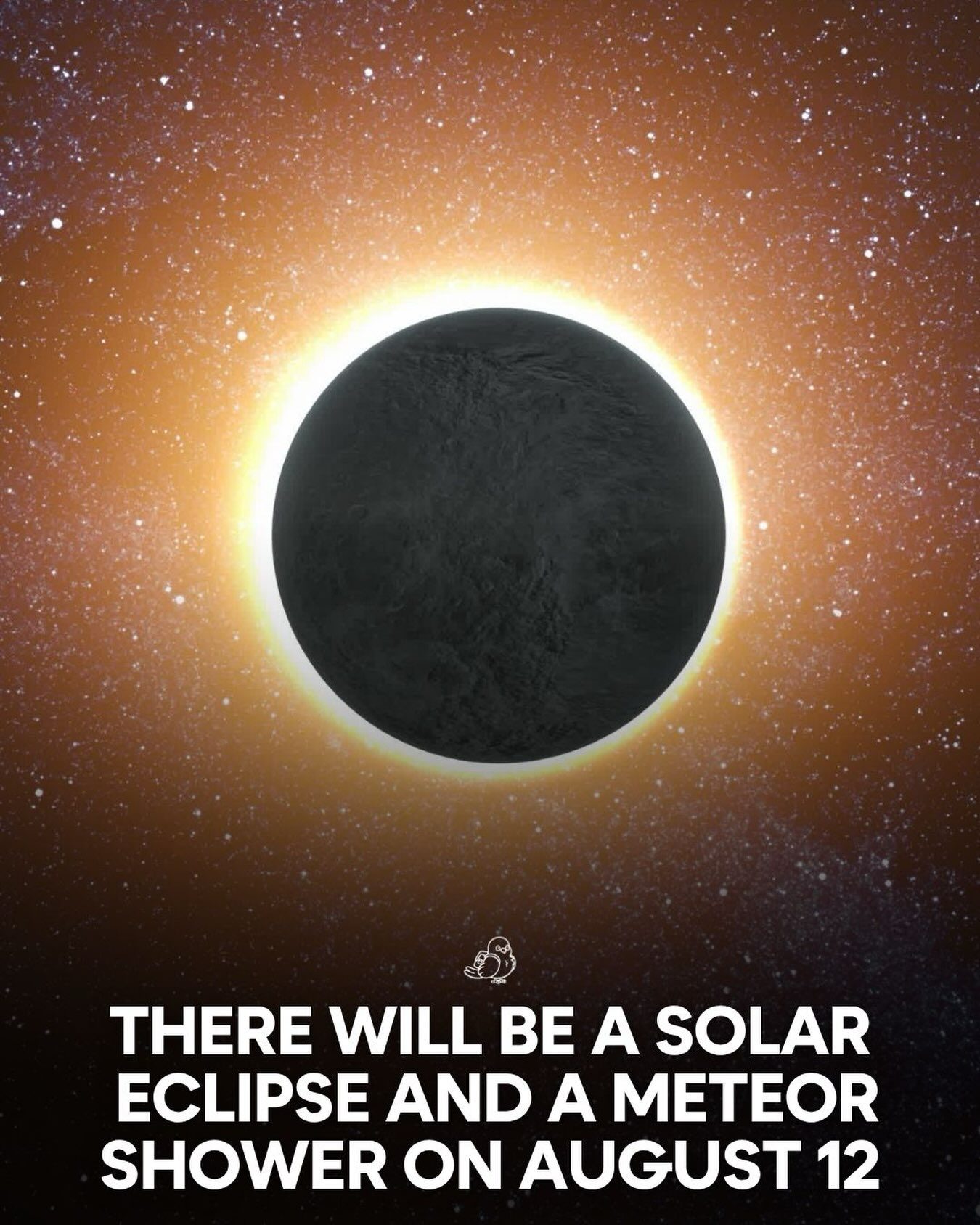
Solar Eclipse and Meteor Shower: A Spectacular Night in August 2026
Imagine a night when the sky puts on a show like no other. On August 12, 2026, two of the most breathtaking celestial events will occur simultaneously: a total solar eclipse and the Perseid meteor shower. This rare combination promises an unforgettable experience for stargazers and astronomy enthusiasts alike. Let's dive into what makes this night so special and how you can prepare to witness these awe-inspiring events.
Why This Matters
Celestial events like these are not just beautiful; they offer a unique opportunity to connect with the cosmos. A solar eclipse is a rare occurrence where the Moon passes directly between the Earth and the Sun, casting a shadow on our planet. The Perseid meteor shower, on the other hand, is an annual event that fills the night sky with streaks of light, known as shooting stars. The convergence of these two events on a single night makes August 12, 2026, a date to mark on your calendar.
The Path of Totality
The total solar eclipse will be visible along a narrow path that includes parts of Greenland, Iceland, Spain, Portugal, and northern Russia. Those within this path will experience totality, where the Sun’s corona becomes visible as a bright halo around the darkened Moon. Outside this path, many other regions, including the United Kingdom, much of Europe, and parts of North Africa, will witness a partial eclipse. The Moon will cover a significant portion of the Sun, creating a dramatic spectacle in the sky.
The Perseid Meteor Shower
The Perseid meteor shower is produced by debris left behind by Comet Swift-Tuttle. Every year, as Earth passes through this debris field, the particles enter our atmosphere and burn up, creating the stunning light show we call shooting stars. What makes the Perseids of 2026 special is their timing: the shower will peak close to the New Moon, ensuring darker skies and better conditions for meteor watching. This means that, under clear skies, dozens of meteors can be visible each hour, creating a dazzling display in the night sky.
The Science Behind the Events
Solar Eclipse
A solar eclipse occurs when the Moon comes between the Sun and the Earth, casting a shadow on our planet. This alignment is not perfect every time, but when it is, the result is a stunning display of nature. During a total solar eclipse, the Moon appears to completely cover the Sun, revealing the Sun’s corona, a faint, glowing ring of plasma. This is a rare and spectacular sight that has captivated humans for centuries.
Perseid Meteor Shower
The Perseid meteor shower is named after the constellation Perseus, from which the meteors appear to radiate. These meteors are tiny particles of dust and debris left behind by Comet Swift-Tuttle as it orbits the Sun. When Earth passes through this debris field, the particles enter our atmosphere at high speeds, burning up and creating the streaks of light we see as shooting stars. This annual event is one of the most reliable and beautiful meteor showers, offering a spectacular display of celestial fireworks.
Practical Tips for Viewing
Viewing these events requires some preparation, especially for the solar eclipse, as looking directly at the Sun can cause permanent eye damage. Here are some practical tips to ensure you have the best experience:
Viewing the Solar Eclipse
Safety First: Use Certified Eclipse Glasses
Never look directly at the Sun without proper eye protection. Certified eclipse glasses are designed to filter out harmful UV rays and allow you to view the eclipse safely. These glasses can be purchased from reputable suppliers and are essential for protecting your eyes.
Find a Clear View
To get the best view of the eclipse, find an open area with an unobstructed view of the sky. Avoid tall buildings, trees, and other obstructions that could block your view.
Plan Ahead
If you’re within the path of totality, plan your travel and accommodations well in advance. Hotels and campsites in these areas fill up quickly as people from around the world flock to see the total eclipse.
Check the Weather
Clear skies are crucial for viewing a solar eclipse. Keep an eye on the weather forecast and be prepared to travel to a location with better conditions if necessary.
Viewing the Perseid Meteor Shower
Find a Dark Location
The darker the skies, the more meteors you’ll be able to see. Get away from city lights and find a location with minimal light pollution. National parks, rural areas, and remote beaches are ideal spots for meteor watching.
Give Your Eyes Time to Adjust
It can take up to 30 minutes for your eyes to fully adjust to the darkness. Give yourself plenty of time to settle in and allow your eyes to adapt to the low light conditions.
Bring a Comfortable Chair or Blanket
You’ll be looking up at the sky for extended periods, so make sure you’re comfortable. A reclining chair, a blanket, or a comfortable spot on the ground will help you enjoy the show without straining your neck.
Be Patient
Meteor showers can be unpredictable, with periods of high activity followed by lulls. Give yourself plenty of time to watch, and be patient as the meteors streak across the sky.
Important Takeaways
The convergence of a total solar eclipse and the Perseid meteor shower on August 12, 2026, promises to be a night to remember. Whether you’re a seasoned stargazer or a casual observer, this rare event offers a unique opportunity to witness the beauty and wonder of the cosmos. By planning ahead, finding the right location, and using proper safety equipment, you can make the most of this extraordinary night.
Conclusion
Mark your calendar, gather your eclipse glasses, and prepare for a spectacular night under the stars. On August 12, 2026, the sky will come alive with a total solar eclipse and the Perseid meteor shower, creating a once-in-a-lifetime experience. This night is a reminder of the awe-inspiring beauty of our universe and the wonders that await us in the cosmos. So, look up, and let the magic of the night sky unfold before your eyes.
Watch the Reel
Questions readers ask
What time should I expect the solar eclipse and Perseid meteor shower to occur in 2026?
The solar eclipse will take place in the middle of the day, with the exact timing varying by location. The Perseid meteor shower will be visible overnight, with the best viewing typically occurring after midnight.
Will the solar eclipse block out the Perseid meteor shower?
The solar eclipse will actually enhance the viewing of the Perseid meteor shower. The darkening of the skies during the eclipse will make the meteors more visible, creating an exceptional viewing experience.
What equipment do I need to view the solar eclipse safely?
To view the solar eclipse safely, you will need special solar eclipse glasses or a solar filter for your telescope or binoculars. Regular sunglasses are not sufficient and can cause eye damage.
What is the best way to plan for overnight meteor viewing?
For optimal meteor viewing, find a dark location away from city lights. Prepare by bringing a comfortable chair, warm clothes, and snacks. Consider downloading a meteor shower guide app to help locate the Perseids.
Where is the best place to view the solar eclipse and Perseid meteor shower in 2026?
The path of totality for the solar eclipse will cross specific regions, so check maps to find the best viewing spots within that path. For the Perseid meteor shower, any dark sky location away from light pollution will be ideal.
Can I take photos of the solar eclipse and meteor shower?
Yes, you can photograph both events, but you will need the right equipment. For the solar eclipse, use a solar filter on your camera lens. For the meteor shower, a camera with a wide-angle lens and a tripod can help capture the meteors streaking across the sky. Practice beforehand to get the best results.
Related deep dives
Similar reads based on topic and creator.




Recent articles
Fresh deep dives from the latest Reels we unpacked.




Comments
Be the first to comment.