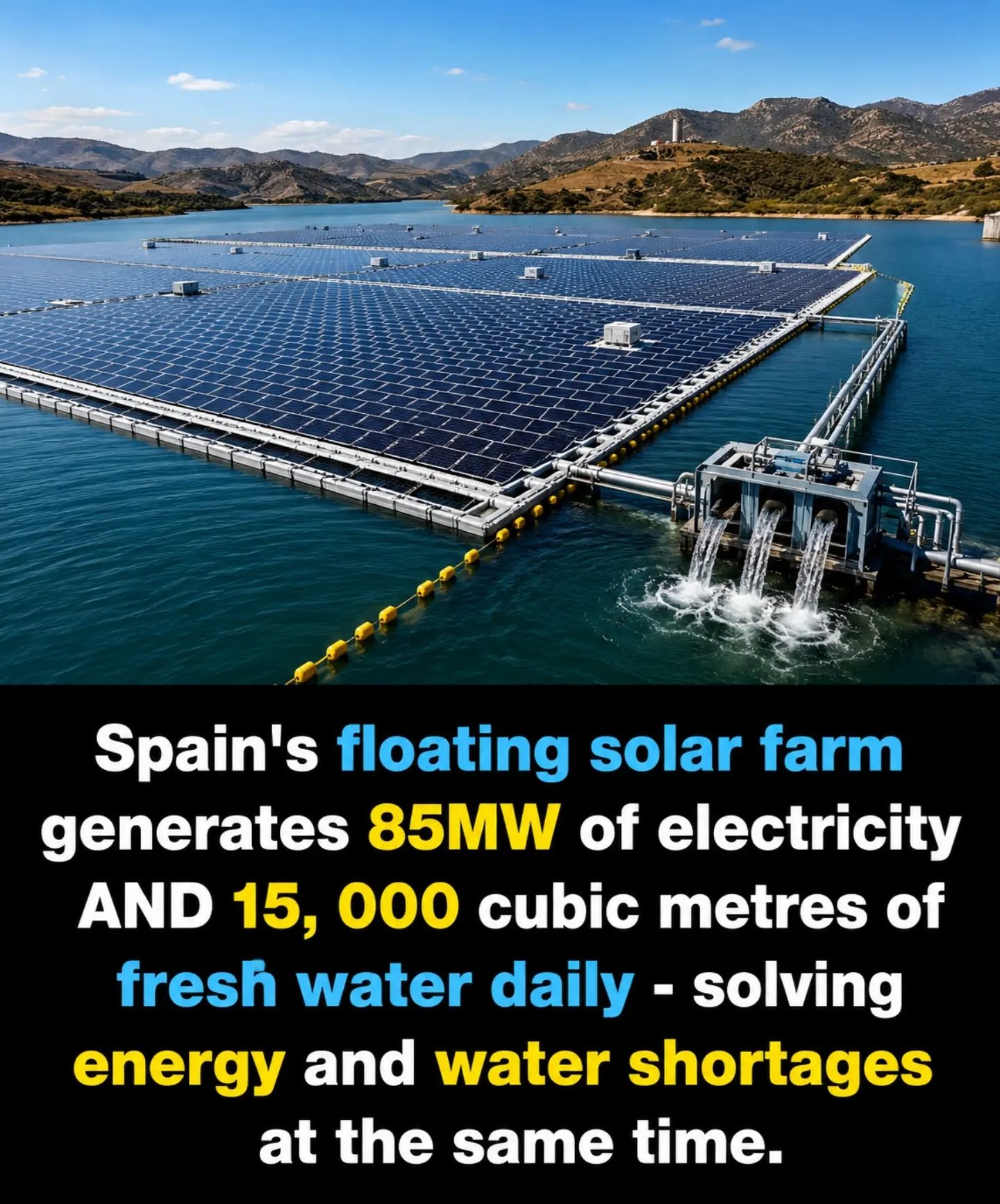
Floating Solar Farms: A Dual Solution for Energy and Water Shortages
Floating solar farms, also known as floatovoltaics, are an innovative approach to harnessing solar energy while addressing water scarcity. Located on bodies of water, these solar farms offer a unique solution to the dual challenges of energy and water shortages. Let's dive into the details of how these systems work and why they matter.
Context / Why This Matters
The global demand for renewable energy sources continues to grow as nations strive to reduce their carbon footprints and combat climate change. Simultaneously, water scarcity is becoming an increasingly pressing issue. Floating solar farms provide a dual solution by generating electricity and conserving water, making them a practical and efficient choice for regions facing both challenges.
Main Discussion
How Floating Solar Farms Work
Floating solar farms consist of numerous solar panels arranged in a grid-like pattern and anchored to the bottom of bodies of water, such as lakes, reservoirs, or even the ocean. The panels are designed to float on the water's surface, allowing them to capture sunlight efficiently while minimizing the use of valuable land resources. Here are some key aspects of their operation:
Electrical Generation
The primary function of a floating solar farm is to generate electricity. The solar panels convert sunlight into direct current (DC) electricity, which is then converted into alternating current (AC) for distribution. Spain's floating solar farm, for example, generates 85 megawatts (MW) of electricity, a significant contribution to the region's power supply.
Fresh Water Production
One of the standout features of floating solar farms is their ability to produce fresh water. By reducing evaporation from the water surface, these farms help conserve water, which is particularly beneficial in arid regions. Spain's floating solar farm produces 15,000 cubic meters of fresh water daily, addressing both energy and water shortages at the same time.
Environmental and Economic Benefits
Floating solar farms offer numerous environmental and economic benefits. Here are a few key advantages:
Reduced Water Evaporation
By covering the water surface with solar panels, floating solar farms reduce evaporation, which helps conserve water. This is especially important in regions where water is scarce and evaporation rates are high. The reduction in evaporation aids in maintaining water levels, which is crucial for aquatic ecosystems and human consumption.
Land Conservation
Floating solar farms use water surfaces instead of land, making them a valuable option in densely populated or land-scarce areas. This conservation of land is essential for preserving agricultural land, natural habitats, and urban spaces.
Lower Operational Costs
Floating solar farms often require less maintenance and have lower operational costs compared to traditional land-based solar farms. The water provides a natural cooling effect, which can improve the efficiency of the solar panels and reduce the need for additional cooling systems.
Challenges and Considerations
While floating solar farms offer many benefits, there are also challenges and considerations to keep in mind:
Installation and Maintenance
The initial installation of floating solar farms can be complex and costly. Anchoring the panels securely to the bottom of the water body and ensuring they can withstand various weather conditions and water currents are critical factors. Regular maintenance is also necessary to ensure the panels remain clean and functional.
Environmental Impact
Though floating solar farms reduce water evaporation and conserve land, they can impact aquatic ecosystems. It's essential to consider the potential effects on marine life and water quality. Environmental impact assessments should be conducted to ensure that the installation and operation of the solar farm do not harm local ecosystems.
Weather and Water Conditions
Floating solar farms are particularly susceptible to water conditions such as wave action and weather conditions such as storms. The design and construction of the panels and anchoring systems must be robust enough to withstand these challenges to ensure longevity and efficiency.
Practical Tips
If you are considering implementing a floating solar farm, here are some practical tips to get you started:
Conduct a Feasibility Study
Before proceeding with the installation, conduct a comprehensive feasibility study. This should include an assessment of the water body's suitability, the potential energy output, and the environmental impact. Engage with local authorities and environmental experts to gather the necessary data and approvals.
Choose the Right Technology
Select high-quality solar panels and anchoring systems to ensure durability and efficiency. The panels should be designed to withstand water conditions and weather fluctuations. Consider using panels with anti-reflective coatings to maximize solar energy absorption.
Collaborate with Local Authorities
Work closely with local authorities and stakeholders to gain the necessary approvals and ensure compliance with regulations. This collaboration will also help in addressing any community concerns and leveraging local expertise for a successful project.
Important Takeaways
Floating solar farms represent a cutting-edge solution for addressing both energy and water shortages. By harnessing the power of the sun while conserving water, these systems offer a dual advantage that is particularly valuable in regions facing resource constraints. While challenges exist, the benefits of reduced water evaporation, land conservation, and lower operational costs make this an attractive option for sustainable energy production.
Conclusion
The deployment of floating solar farms is a significant step forward in the quest for sustainable and efficient energy solutions. These innovative systems offer a unique opportunity to address energy and water shortages simultaneously, making them a valuable asset in the global effort to combat climate change and ensure resource availability. As technology advances, the potential for floating solar farms to become a more widespread and integral part of our energy infrastructure grows, paving the way for a more sustainable future.
Watch the Reel
Questions readers ask
How do floating solar farms generate both power and water?
Floating solar farms generate power through photovoltaic panels installed on buoyant structures. As for water, these farms reduce evaporation from the water surface beneath the panels. Additionally, some floating solar farms collect rainwater and use it as a source of fresh water. The combined use of these methods make the farms a dual solution for energy and water generation.
What are the benefits of floating solar farms over traditional solar farms?
Floating solar farms offer several advantages. They save land space, reduce water evaporation, and improve power generation efficiency by keeping the panels cooler from the water below. They also generate fresh water as a byproduct, making them a more versatile solution. Additionally, they reduce the need for water in the cleaning process compared to traditional solar farms.
What is the daily output of Spain's floating solar farms?
Spain's floating solar farms generate 85 megawatts of power and produce 15,000 cubic meters of water on a daily basis. This makes them a significant contributor to the country's renewable energy output and water conservation efforts.
How does the water production process work in a solar farm?
The water production process in a solar farm involves several methods. Rainwater is collected and stored, reducing the need for external water sources. Additionally, the panels reduce evaporation from the water surface, conserving water that would otherwise be lost to the atmosphere. The combined use of these methods creates a source of fresh water.
Why is Spain investing in floating solar farms?
Spain is investing in floating solar farms to address both energy and water shortages as part of its renewable energy solutions. Spain is one of the countries with the highest solar irradiance in Europe. Hence, making it a prime location for solar power generation. Additionally, it is a great way for Spain to reduce its carbon footprint and combat climate change.
What are the potential impacts of floating solar farms on local ecosystems?
Floating solar farms can have both positive and negative impacts on local ecosystems. They can reduce water evaporation, which benefits local water conservation efforts. However, they can also disrupt local water habitats and block sunlight, affecting aquatic plants and animals. Therefore, it is important to carefully plan and monitor the deployment of these farms.
How does the electricity generated by floating solar farms benefit the local community?
The electricity generated by floating solar farms benefits the local community by providing a reliable source of renewable energy. This reduces dependency on fossil fuels, lowers carbon emissions, and helps lower energy costs over time. Additionally, the clean, sustainable power supports local industry and improves the quality of life for residents.
Related deep dives
Similar reads based on topic and creator.

Recent articles
Fresh deep dives from the latest Reels we unpacked.




Comments
Be the first to comment.