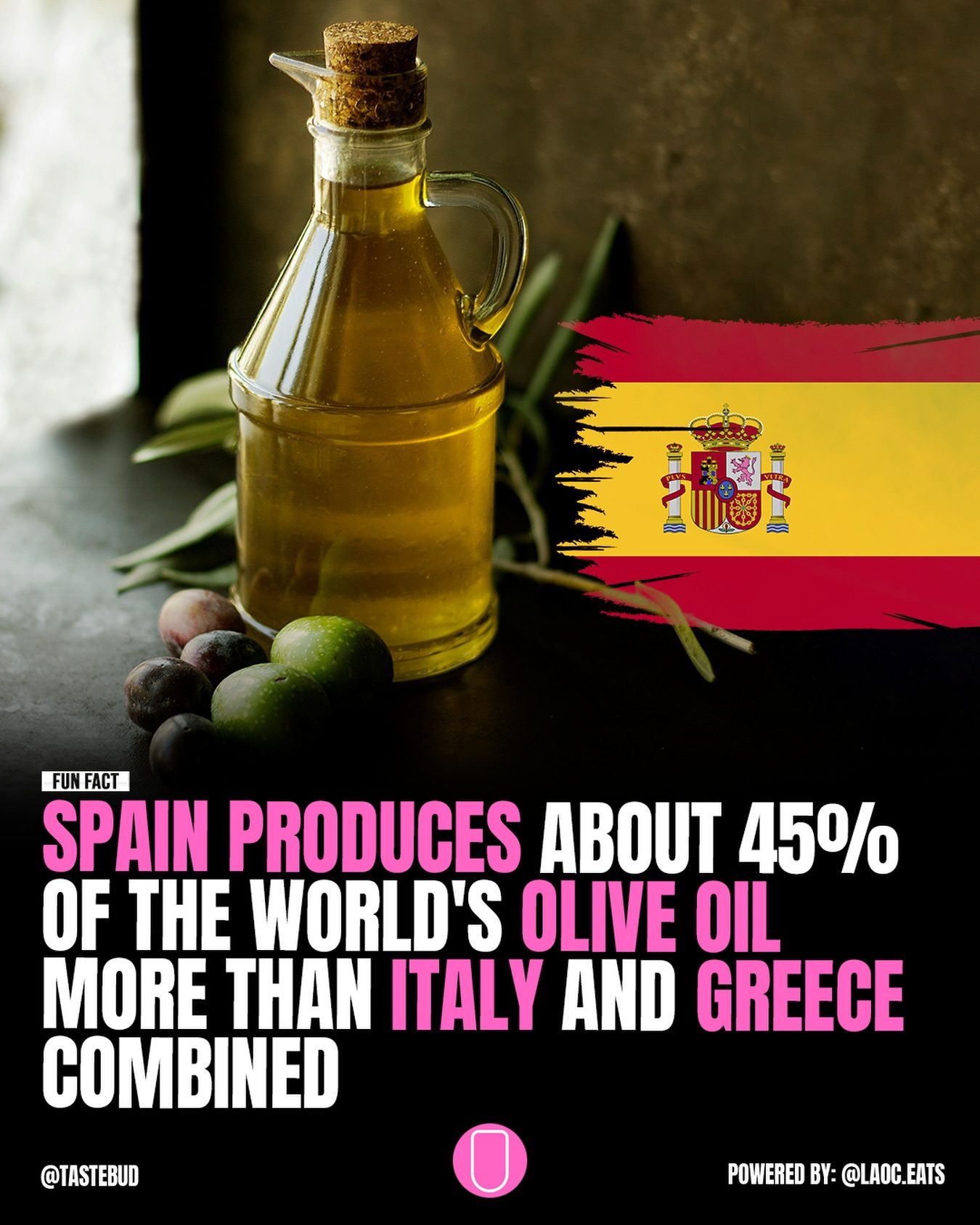
Olive Oil Production in Spain
Spain is a global powerhouse in olive oil production, contributing nearly half of the world's supply. The country's extensive olive groves, combined with its ideal Mediterranean climate, have cemented its status as the leading producer of this essential culinary ingredient. This dominance is not just a matter of quantity; Spanish olive oil is renowned for its quality, making it a staple in Mediterranean cuisine and a sought-after export worldwide.
Why This Matters
Olive oil is more than just a cooking ingredient; it is a fundamental component of Mediterranean culture and cuisine. Understanding Spain's dominance in olive oil production offers insights into the country's agricultural prowess, cultural heritage, and economic significance. Spanish olive oil is celebrated for its rich flavor, versatility, and numerous health benefits, making it a crucial commodity in the global market.
Main Discussion
The Mediterranean Climate and Olive Groves
Spain's climate, characterized by mild winters and hot, dry summers, is ideal for olive cultivation. The Mediterranean climate, with its long growing season, allows olive trees to thrive, producing robust yields. The country's vast olive groves, stretching across regions like Andalusia, Catalonia, and Extremadura, are the backbone of its olive oil industry. These groves benefit from abundant sunshine and well-drained soil, conditions that enhance the quality and flavor of the olives.
Varieties of Spanish Olive Oil
Spain produces several varieties of olive oil, each with unique characteristics. Some of the most notable varieties include:
-
Picual: Known for its robustness and high polyphenol content, Picual is one of the most widely cultivated varieties in Spain. It has a strong, peppery flavor and is often used in dressings and marinades.
-
Hojiblanca: This variety is prized for its fruity and slightly bitter taste. It is versatile and can be used in various dishes, from salads to stews.
-
Arbequina: Known for its mild, buttery flavor and delicate aroma, Arbequina is a favorite for drizzling over bread and pasta.
Production Process
The production of olive oil in Spain involves several steps, each crucial to ensuring the final product's quality. The process typically begins with harvesting the olives, which can be done by hand or using mechanical harvesters. The olives are then washed and crushed to extract the oil. Traditional methods, such as stone mills, are still used in some regions, but modern production facilities often employ centrifugal decanters and vertical-axis centrifuges for efficiency and consistency.
Export and Economic Impact
Spanish olive oil is a major export, reaching markets across Europe, North America, and Asia. The global demand for high-quality olive oil has driven Spain's olive oil industry, contributing significantly to the country's economy. The export of olive oil supports thousands of jobs, from farmers and producers to distributors and exporters.
Practical Tips
Choosing the Right Olive Oil
When selecting Spanish olive oil, consider the following tips:
-
Look for the Label: Opt for oils labeled "Extra Virgin," which indicates the highest quality and purity. These oils are produced from the first cold pressing of the olives and contain no additives.
-
Check the Harvest Date: Freshness is key to quality. Choose oils that have a recent harvest date, as the flavor and nutritional value degrade over time.
-
Consider the Variety: Different varieties offer distinct flavor profiles. Experiment with Picual for robust flavors, Hojiblanca for a balance of fruitiness and bitterness, and Arbequina for a milder taste.
Storing Olive Oil
To maintain the quality of your olive oil, store it properly:
-
Keep It Cool: Store olive oil in a cool, dark place, away from direct sunlight and heat sources. Heat accelerates the oxidation process, which can degrade the oil.
-
Avoid Light Exposure: Use a dark-colored glass bottle or store the bottle in a cabinet to protect it from light.
-
Tightly Seal: Ensure the bottle is tightly sealed to prevent air from entering, which can cause the oil to go rancid.
Important Takeaways
Spain's leadership in olive oil production is a testament to its favorable climate, extensive olive groves, and advanced production techniques. The country's diverse varieties, from robust Picual to delicate Arbequina, cater to a wide range of culinary needs and preferences. Spanish olive oil's global export success underscores its economic significance and the high demand for its quality and flavor.
Conclusion
Spain's dominance in the olive oil industry is a result of its ideal climatic conditions, vast olive groves, and meticulous production processes. The country's olive oil varieties offer a range of flavors and applications, making them a staple in Mediterranean cuisine and a valuable commodity in the global market. Whether you're a home cook or a professional chef, understanding the nuances of Spanish olive oil can elevate your culinary creations to new heights. So, the next time you drizzle olive oil over your salad or use it to sauté vegetables, remember the rich history and craftsmanship behind this essential culinary ingredient.
Watch the Reel
Questions readers ask
Which region in Spain is most famous for its olive oil production?
Andalusia is the most famous region in Spain for olive oil production. It accounts for nearly 80% of Spain's total olive oil output, making it a significant contributor to the country's dominance in world olive oil production.
What are the key factors contributing to Spain's high-quality olive oil?
Spain's high-quality olive oil is attributed to its ideal Mediterranean climate, expansive olive groves, and traditional farming techniques. Additionally, Spanish olive oil producers are known for their meticulous processing methods, which help preserve the unique taste and quality of the olive oil.
What is the significance of Spanish olive oil in global exports?
Spanish olive oil exports are crucial to the country's economy, making it a prized global commodity. Spain ships olive oil to over 150 countries, showcasing the global demand for Spanish olive oil and its reputation for quality.
What are some popular varieties of Spanish olive oil?
Spain offers a diverse range of olive oil varieties, influenced by different regions and olive cultivars. Some popular Spanish olive oils include Picual, Hojiblanca, Arbequina, and Cornicabra, each with a unique taste profile, from robust to fruity.
How does Spanish olive oil contribute to Mediterranean cuisine?
Spanish olive oil is a cornerstone of Mediterranean cuisine, enhancing the flavors of many dishes. It's used in salads, marinades, and as a finishing touch to dishes, bringing a distinct Spanish taste and aroma.
Related deep dives
Similar reads based on topic and creator.




Recent articles
Fresh deep dives from the latest Reels we unpacked.




Comments
Be the first to comment.