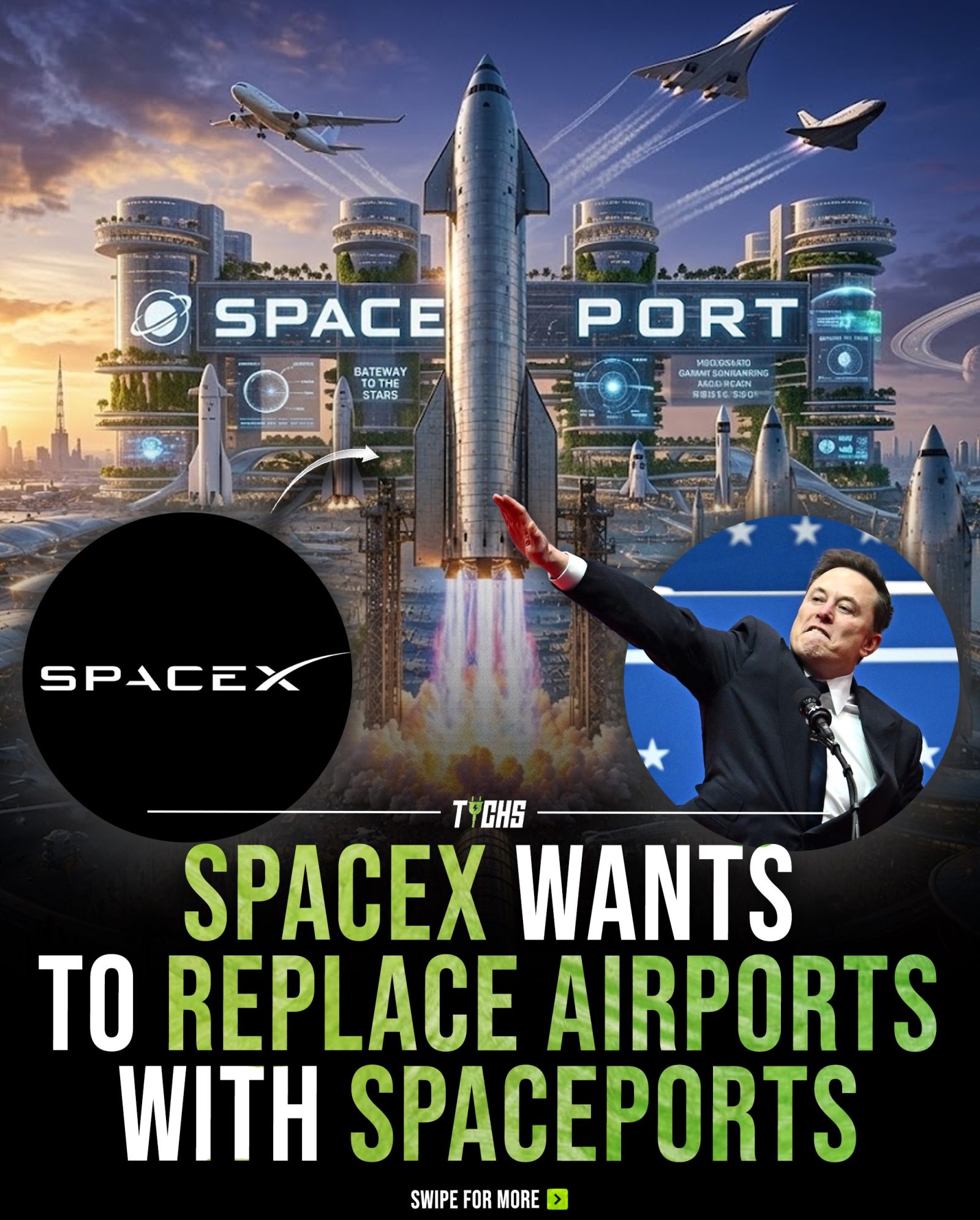
Spaceport Travel: The Future of Global Mobility
SpaceX envisions a radical shift in global travel, aiming to replace traditional airports with futuristic spaceports. By leveraging its Starship concept, SpaceX proposes a revolutionary mode of transportation that could dramatically reduce international flight times, transforming journeys that currently take hours into trips lasting mere minutes.
Why This Matters
The potential impact of SpaceX's spaceport travel concept is immense. In an increasingly interconnected world, efficient and rapid long-distance travel is more important than ever. By significantly cutting travel times, this technology could revolutionize global mobility, making it easier and faster to traverse the globe.
This trend is especially significant from the perspective of major cities worldwide. Imagine traveling from New York to London in just 30 minutes, or from Dubai to Singapore in a similar timeframe. Such advancements can redefine urban mobility and open new horizons for business, tourism, and global collaboration.
Additionally, this shift towards space travel has the potential to reduce both carbon footprint and fuel costs. By operating at extreme speeds through suborbital space travel far above traditional commercial aircraft routes, SpaceX's rockets could provide a more sustainable and cost-effective alternative to traditional air travel.
The Concept of Spaceport Travel
What is Spaceport Travel?
Spaceport travel involves using rockets to transport passengers between major cities. SpaceX's concept centers around the Starship, a fully reusable, super heavy-lift launch vehicle designed for both space travel and Earth-to-Earth transportation. The idea is to build spaceports in major cities, which would serve as launch pads and landing sites for these rockets.
How Does It Work?
The technology behind spaceport travel is based on the principle of suborbital space travel. Unlike traditional airplanes, which fly within the Earth's atmosphere, rockets would travel at extreme speeds through suborbital space, far above commercial aircraft routes. This allows for much faster travel times and more efficient use of fuel. The entire journey, from launch to landing, would take significantly less time than traditional air travel.
The Starship Concept
The Starship is a key component of SpaceX's spaceport travel vision. Designed to be fully reusable, the Starship aims to reduce the cost of space travel significantly. The concept includes a stainless steel construction, which is both durable and lightweight, and Raptor engines, which provide the necessary thrust for suborbital travel. The Starship is designed to transport both passengers and cargo, making it a versatile option for various travel needs.
Potential Routes
SpaceX has proposed several potential routes for spaceport travel, including journeys between major cities like New York, London, Dubai, Singapore, and Hong Kong. The travel times for these routes would be dramatically reduced, with trips that currently take half a day turning into journeys lasting less than 40 minutes. For example, travel times from Tokyo could be as short as 28 minutes, while Sydney could be reached in just 31 minutes.
Suborbital Space Travel Explained
Suborbital space travel involves traveling beyond the Earth's atmosphere but not reaching orbital velocity. By traveling at extreme speeds through suborbital space, rockets can cover vast distances in a fraction of the time it takes for traditional airplanes. This method of travel allows for faster and more efficient journeys, making it an attractive option for long-distance travel.
Practical Tips
Implementing spaceport travel will involve significant technological, logistical, and regulatory challenges. Here are some practical considerations:
Infrastructure Development
Building spaceports in major cities will require substantial infrastructure development. This includes constructing launch pads, landing sites, and associated support facilities. Cities will need to invest in new technologies and infrastructure to accommodate this new mode of transportation.
Safety and Regulation
Ensuring the safety of space travel is a top priority. This involves rigorous testing, certification, and regulatory oversight. Governments and regulatory bodies will need to develop new guidelines and standards for spaceport travel to ensure the safety of passengers and the general public.
Passenger Experience
Designing a comfortable and enjoyable passenger experience is crucial for the success of spaceport travel. This includes creating spacious and ergonomic seating, providing amenities, and ensuring a smooth and safe travel experience from launch to landing.
Environmental Impact
Reducing the environmental impact of spaceport travel is essential. By using reusable rockets and efficient fuel, SpaceX aims to minimize the carbon footprint of this new mode of transportation. Additionally, operating at extreme speeds through suborbital space could reduce fuel consumption and emissions compared to traditional air travel.
Important Takeaways
Speed and Efficiency
Spaceport travel represents a significant leap in speed and efficiency. By traveling at extreme speeds through suborbital space, rockets can cover vast distances in a fraction of the time it takes for traditional airplanes, making it an attractive option for long-distance travel.
Sustainability
SpaceX's spaceport travel concept aims to be more sustainable by using reusable rockets and efficient fuel. By reducing the carbon footprint and fuel costs, this technology could provide a more eco-friendly alternative to traditional air travel.
Global Mobility
The potential to transform global mobility is immense. By connecting major cities at unprecedented speeds, spaceport travel could redefine long-distance transportation, making it easier and faster to traverse the globe.
Conclusion
Spaceport travel represents a groundbreaking concept in global mobility, with the potential to revolutionize how we travel between major cities. SpaceX's vision of replacing traditional airports with futuristic spaceports and leveraging the Starship concept for suborbital travel offers a tantalizing glimpse into the future of transportation. With its promise of significantly reduced travel times, enhanced sustainability, and a transformative impact on global mobility, spaceport travel is poised to redefine the way we connect and move around the world.
Watch the Reel
Questions readers ask
What is the primary goal of SpaceX's spaceport initiative?
SpaceX aims to transform global travel by replacing traditional airports with spaceports, using their Starship concept to enable rapid, point-to-point journeys between major cities, making travel more efficient and convenient.
How does SpaceX plan to reduce travel times between cities?
Through the use of its Starship spacecraft, SpaceX envisions reducing travel times between major cities by leveraging the speed and efficiency of rocket travel, potentially making a trip from New York to London as short as the duration of a coffee break.
What advantages do spaceports offer over traditional airports?
Spaceports offer several advantages, including reduced travel times, lower operational costs, and the potential for more sustainable travel. By using spaceports, SpaceX aims to make global travel more convenient and accessible than ever before.
What is the significance of SpaceX's vision for global mobility?
SpaceX's vision of spaceport travel could revolutionize global mobility by significantly cutting travel times and making it easier to traverse the globe. This transformative approach to travel could impact global business, leisure travel, and even the way people commute over long distances.
How does SpaceX plan to make space travel more cost-effective?
SpaceX aims to reduce the cost of space travel by designing reusable rockets and spacecraft, such as the Starship. These reusable vehicles can significantly lower operational costs, making space travel more affordable and accessible for a broader range of applications, including global travel.
Related deep dives
Similar reads based on topic and creator.




Recent articles
Fresh deep dives from the latest Reels we unpacked.




Comments
Be the first to comment.