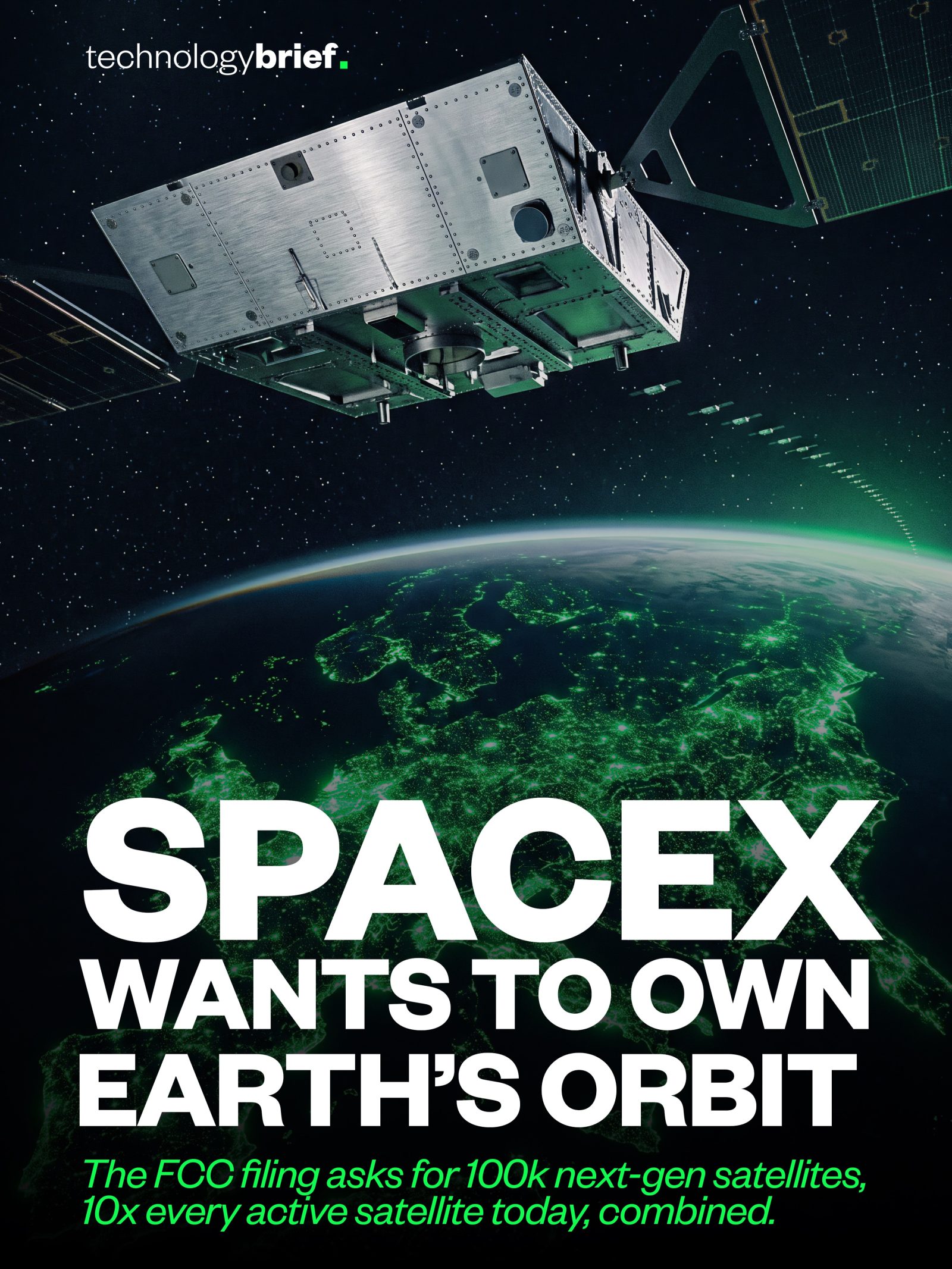
SpaceX's Ambitious Satellite Expansion Plan
SpaceX, the aerospace and space transportation company, is making headlines with its ambitious plan to significantly expand its satellite constellation. Currently, they have thousands of Starlink satellites in orbit. However, the company now seeks an additional 100,000 satellites, which would transform the existing network and drastically alter the landscape of satellites in low Earth orbit (LEO). The proposed Gen3 satellites would be much larger, with some weighing over 2,000 kilograms, making the Starship rocket central to this plan.
Why this matters
SpaceX's proposed expansion of the Starlink network has numerous implications for the future of satellite communications and space exploration. It highlights the competition in the industry and the ingenuity of SpaceX in developing next-generation satellites. The scale of the proposed expansion requires substantial regulatory approval and careful consideration of the challenges it presents. The implications of this expansion would affect not only the capabilities of satellite-based internet but also the broader landscape of space technology.
The Technical Specifications of the Next-Gen Satellites
Size and Weight
The proposed next-generation satellites, or Gen3, are not just more numerous but also significantly larger. Each satellite is anticipated to weigh approximately 2 tons, or 4,400 pounds. This substantial increase in size is a departure from the current generation, necessitating more robust launch vehicles.
Bandwidth and Latency
The Gen3 satellites are designed to offer 1 terabit per second bandwidth, which is twice the capability of the current generation. This leap in bandwidth is complemented by a significant reduction in latency, halved compared to the previous generation. Enhanced bandwidth and lower latency mean faster internet speeds and more reliable connections, making these satellites ideal for a wide range of applications, from residential internet to specialized commercial services.
Launch Vehicle Requirements
The increased size and weight of the Gen3 satellites present a new challenge for launching them into orbit. The Falcon 9 rocket, which has been instrumental in deploying the current Starlink satellites, is not capable of launching these heavier satellites. This necessity has led to the development and increased focus on the Starship rocket, which is designed to handle the heavier payloads and provide the capacity to deploy the next-generation satellites effectively.
Regulatory and Technical Challenges
Congestion and Debris
The proposed expansion of 100,000 satellites would significantly increase the number of objects in low Earth orbit. Currently, there are roughly 10,000 active satellites orbiting Earth, from various countries and companies. The addition of 100,000 more satellites would dramatically increase the congestion and potential debris in space. This poses significant challenges for managing space traffic, avoiding collisions, and ensuring the safe operation of all satellites in orbit.
Regulatory Approval
SpaceX’s plan requires approval from the Federal Communications Commission (FCC). The FCC filing for 100,000 next-gen satellites was filed on July 6, 2023. This filing process involves addressing concerns about orbital debris, collision risks, and the overall impact on space sustainability. The regulatory hurdles are complex, requiring detailed proposals on how SpaceX plans to mitigate these issues and ensure safe and controlled space operations.
Oversight and Safety
As space becomes more crowded, the need for robust oversight and safety protocols increases. Ensuring that these additional satellites do not exacerbate orbital debris and maintain safe operations is crucial. SpaceX's plans would need to address how they will manage the increasing number of satellites, track them, and mitigate potential hazards. This includes developing technologies and protocols for deorbiting satellites at the end of their lifespans and ensuring that new satellites can navigate congested orbits safely.
Practical tips
For those interested in the advancements in satellite technology and the future of space exploration, following SpaceX's developments and regulatory processes will be crucial. Here are some practical tips for staying informed:
Stay Updated on Regulatory Approvals
Keep an eye on FCC filings and regulatory decisions. This will provide insights into the progress of SpaceX’s ambitious plans and the regulatory landscape governing satellite deployments.
Engage with the Space Community
Follow industry experts, organizations, and forums that discuss space technology and satellite communications. This community can provide valuable insights and discussions on the latest developments and challenges in the field.
Monitor Technological Advancements
Stay updated on the latest technological innovations in satellite design, launch vehicles, and space traffic management. This information will help understand the capabilities and limitations of the next-generation satellites.
Important Takeaways
The Scale of SpaceX's Ambition
SpaceX's plan to expand its satellite constellation to 100,000 satellites represents a monumental leap in satellite technology and space exploration. This ambitious goal underscores the company's commitment to pushing the boundaries of what is possible in space.
Technological Innovations
The proposed Gen3 satellites, with their increased size, bandwidth, and reduced latency, represent significant technological advancements. These improvements will enhance internet connectivity, support various applications, and pave the way for future innovations in satellite technology.
Regulatory and Safety Concerns
The expansion of satellite networks raises important questions about space sustainability, orbital debris, and safety. Effective oversight and regulatory frameworks are essential to manage the increasing congestion in low Earth orbit and ensure the safe operation of all satellites.
Conclusion
SpaceX's plan to expand its satellite constellation to 100,000 units, including the development of next-generation satellites, represents an exciting and challenging chapter in the evolution of space technology. The proposed Gen3 satellites, with their enhanced capabilities, will significantly impact satellite communications and space exploration. However, the regulatory and safety challenges associated with such a massive expansion highlight the need for robust oversight and technological innovations. As SpaceX navigates these challenges, the future of satellite technology and space exploration looks promising and ever-more dynamic.
Watch the Reel
Questions readers ask
How many satellites does SpaceX plan to add to the Starlink network?
SpaceX is planning to add 100,000 satellites to its Starlink network, which will significantly increase the size of its constellation.
What are the proposed specifications of the new Gen3 satellites?
The proposed Gen3 satellites will be much larger than the current Starlink satellites, with some weighing over 2,000 kilograms. This increase in size will allow for enhanced communication capabilities.
How will the addition of 100,000 satellites affect low Earth orbit (LEO)?
The addition of 100,000 satellites will drastically alter the landscape of low Earth orbit. This will mean more satellites in orbit, which could potentially increase space debris and collisions if not managed properly.
What role does the Starship rocket play in SpaceX's satellite expansion plan?
The Starship rocket is essential to SpaceX's plan to launch the new Gen3 satellites. The large size of these satellites means that only a rocket with a high payload capacity, like Starship, can effectively launch them into orbit.
What are the implications of SpaceX's satellite expansion for satellite communications?
SpaceX's expansion of the Starlink network will revolutionize satellite-based communication capabilities. This could mean faster, more reliable internet connectivity, especially in remote and underserved areas.
What is the current status of SpaceX's plan to add 100,000 satellites?
SpaceX's plan to add 100,000 satellites to its Starlink network is still in the early stages. The company has filed for approval with the FCC, but the exact timeline for launches is not yet clear.
What challenges might SpaceX face in launching 100,000 new satellites?
SpaceX may face several challenges, including regulatory hurdles, technical difficulties in launching so many satellites, and potential issues with space debris and orbital congestion. Additionally, the environmental impact of such a large number of satellites needs to be considered.
Related deep dives
Similar reads based on topic and creator.




Recent articles
Fresh deep dives from the latest Reels we unpacked.




Comments
Be the first to comment.