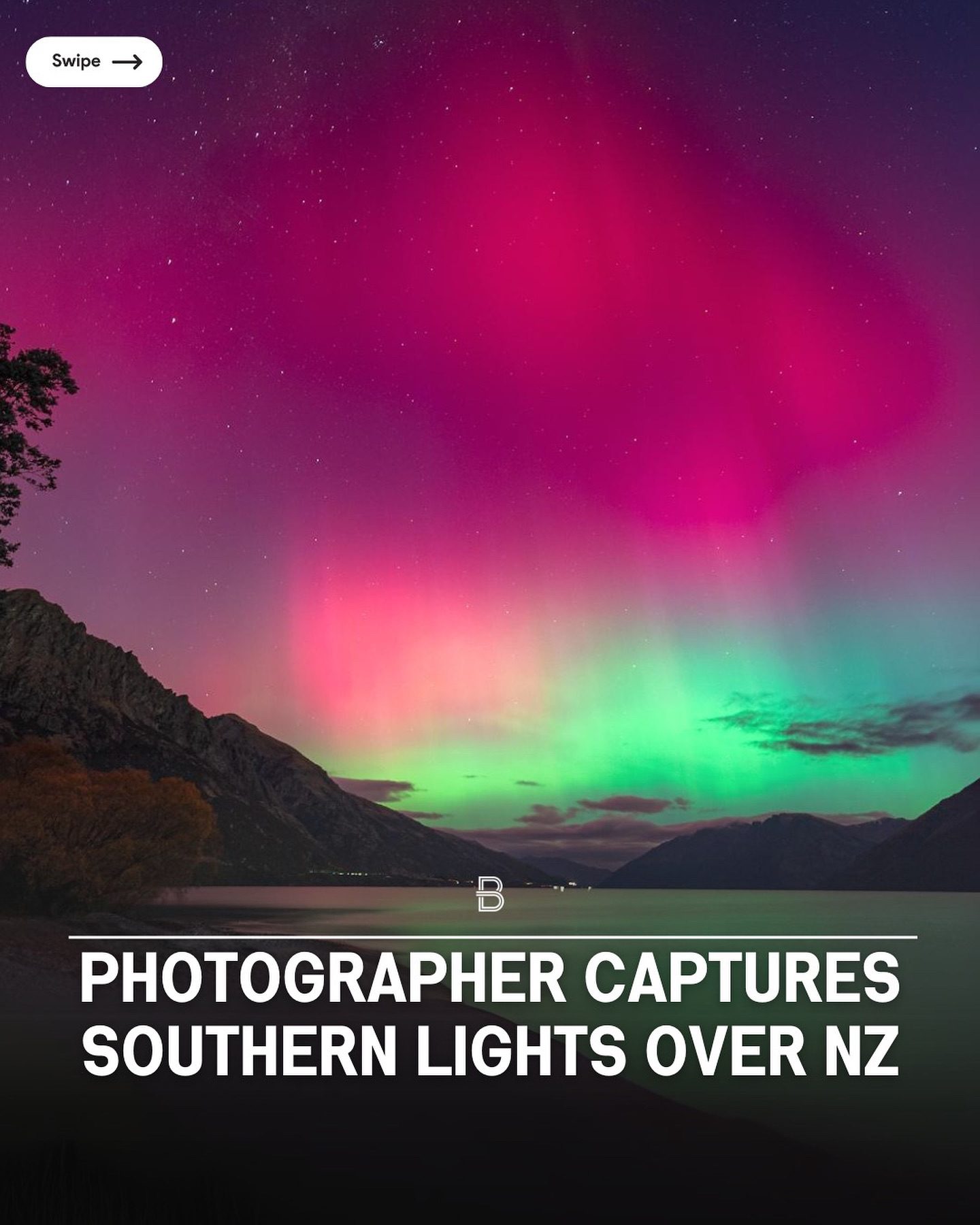
Aurora Australis Over New Zealand: What You Need to Know
The Southern Lights, or Aurora Australis, are a mesmerizing natural phenomenon that illuminates the New Zealand sky with vibrant colors. These lights are a spectacle to behold, and with the right knowledge, you can witness this awe-inspiring event for yourself.
Why This Matters
The Aurora Australis is not just a stunning light show; it's also a window into the complex interplay between the sun and Earth's magnetic field. Understanding the best times and places to view these lights can enhance your experience and appreciation of this natural wonder.
Best Time to View the Aurora Australis
For the best chances of seeing the Aurora Australis, plan your visit between March and September. During these months, the nights are longer, and the weather conditions are more favorable for viewing. Additionally, the equinoxes in March and September tend to have high geomagnetic activity, increasing the likelihood of a vivid display.
Equinoxes and Geomagnetic Activity
Equinoxes occur when the Earth's equator passes through the center of the sun, resulting in roughly equal amounts of day and night. During these periods, geomagnetic activity is often higher, which can intensify the aurora's displays. This makes the equinoxes an ideal time to witness this natural phenomenon.
Top Locations in New Zealand
To experience the full beauty of the Aurora Australis, head to locations with minimal light pollution and clear skies. Two of the best spots in New Zealand are Stewart Island (Rakiura) and the South Island.
Stewart Island (Rakiura)
Stewart Island, located at the southern tip of New Zealand, offers pristine, remote locations ideal for aurora viewing. Its remote location means there is almost no light pollution, providing a clear view of the night sky.
South Island
The South Island, particularly in areas like the Aoraki Mackenzie Dark Sky Reserve, offers some of the best viewing conditions. The reserve is designated as one of the world's largest dark sky reserves, ensuring minimal light pollution and optimal viewing conditions.
Dark Sky Reserves
Dark sky reserves are areas where light pollution is strictly controlled, making them perfect for stargazing and aurora viewing. These reserves provide clear, unpolluted skies, enabling you to see the aurora in all its glory. Notable reserves in New Zealand include the Aoraki Mackenzie Dark Sky Reserve, which is known for its exceptional viewing conditions.
Best Time of Night for Viewing
The best time to view the Aurora Australis is between 10 PM and 2 AM. During these hours, the sky is at its darkest, providing optimal conditions for viewing the vibrant colors of the aurora. Earlier or later, and the aurora might be less visible or not visible at all.
Weather Conditions
Clear, cloudless skies are essential for viewing the Aurora Australis. Cloud coverage can obscure the view, reducing the vividness of the colors. Additionally, minimal light pollution ensures that the aurora's colors are as bright and clear as possible.
How to Check Weather and Solar Activity
To maximize your chances of seeing the Aurora Australis, check weather forecasts and solar activity reports. Clear skies and high solar activity are key factors that can enhance your viewing experience.
- Weather Forecasts: Look for cloudless, clear nights to ensure an unobstructed view of the sky.
- Solar Activity Reports: Monitor solar activity to see when geomagnetic storms are predicted to occur. These storms can intensify the aurora, making it more vibrant and visible.
Colors of the Aurora Australis
The Aurora Australis can display a variety of colors, including green, pink, red, and purple. These colors are caused by different gases in the Earth's atmosphere interacting with charged particles from the sun.
Gases and Colors
Different colors correspond to different gases:
- Green: Oxygen molecules emitting light at wavelengths of 557.7 and 630.0 nanometers.
- Pink/Purple: Nitrogen molecules interacting with solar particles.
- Red: Oxygen molecules emitting light at 630.0 nanometers.
- Blue/Purple: Nitrogen molecules emitting light at 391.4 and 427.8 nanometers.
Practical Tips for Viewing
To make the most of your Aurora Australis viewing experience, follow these practical tips:
Pack the Right Gear
Bring a camera with a tripod and a wide-angle lens, along with warm clothing, snacks, and a portable power source. A tripod is essential for capturing long-exposure shots, which are ideal for photographing the aurora's movement.
Warm Clothing and Snacks
New Zealand can get quite cold at night, especially in the winter months. Pack warm layers, gloves, and a hat to stay comfortable while waiting for the aurora to appear. Snacks and a thermos of hot coffee or tea can also help keep you warm and energized.
Portability and Power
Bring a portable power source for your camera and phone. Long nights can drain your battery quickly, and it's essential to have a backup power source to keep your devices running.
Check Solar Activity
Stay updated on solar activity and geomagnetic conditions. Higher solar activity can intensify the aurora, making it more visible and vibrant. NASA's Space Weather Prediction Center is a useful resource for monitoring solar activity.
Important Takeaways
Witnessing the Aurora Australis in New Zealand is an unforgettable experience. By planning your trip during the best times and locations, you can maximize your chances of seeing this natural wonder. Remember to check the weather and solar activity forecasts, and bring the right gear to ensure a comfortable and memorable viewing experience.
Savor the Experience
The Aurora Australis is more than just a natural phenomenon; it's a profound experience that connects you with the beauty and mystery of the universe. Take the time to appreciate the moment, and let the dance of colors in the night sky leave a lasting impression on you.
Watch the Reel
Questions readers ask
When is the optimal period to see the Southern Lights in New Zealand?
The best time to view the Aurora Australis in New Zealand is during the months of March to September. This period offers longer nights and increased opportunities to witness the lights.
What are the best locations to view the Southern Lights in New Zealand?
For an unforgettable experience, consider visiting remote locations with minimal light pollution. Stewart Island and the South Island are renowned for their dark skies and clear views of the Aurora Australis.
Can I see the Southern Lights in New Zealand during spring and autumn?
Yes, spring (September to November) and autumn (March to May) are excellent times to view the Southern Lights. During these seasons, the nights are darker, providing better conditions for viewing the Aurora Australis.
What causes the Aurora Australis to appear in the sky?
The Aurora Australis is caused by the interaction between the sun's charged particles and Earth's magnetic field. This interaction results in a vibrant display of colors that dance across the night sky.
How can I enhance my chances of seeing the Aurora Australis while in New Zealand?
To improve your chances of witnessing the Southern Lights, plan your trip during the recommended months, visit dark-sky locations, and check weather forecasts for clear skies. Patience and flexibility are also key, as the lights can be unpredictable.
What is the best way to photograph the Aurora Australis in New Zealand?
To capture stunning images of the Aurora Australis, use a tripod for stability, set your camera to manual mode with a high ISO, wide aperture, and long exposure. Experiment with different settings to achieve the best results.
Why is light pollution a concern for viewing the Southern Lights?
Light pollution can significantly reduce the visibility of the Aurora Australis by overwhelming the natural light show with excessive ambient light. Choosing remote, dark-sky locations helps ensure a clearer view of the Southern Lights.
Related deep dives
Similar reads based on topic and creator.




Recent articles
Fresh deep dives from the latest Reels we unpacked.




Comments
Be the first to comment.